
IBS diet plan for celiac disease
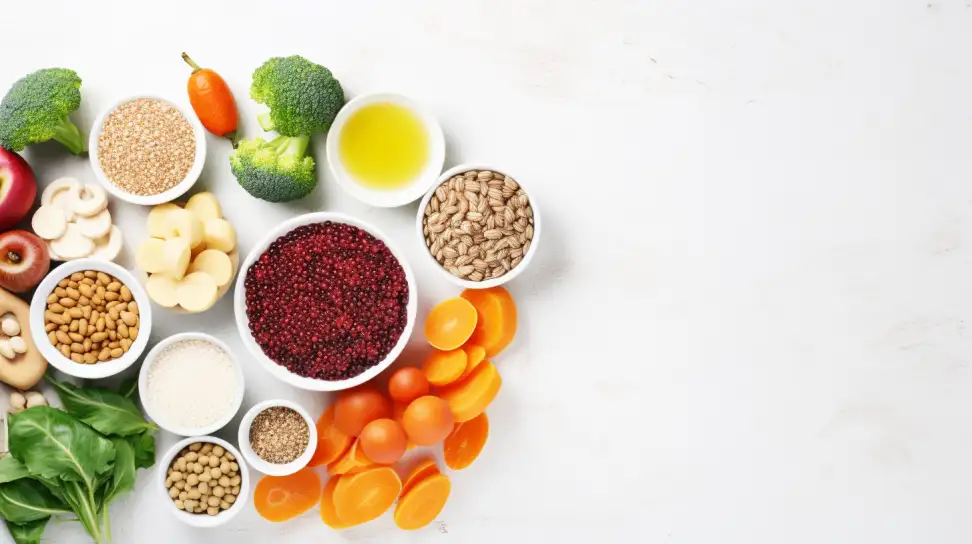
Navigating both IBS and celiac disease requires a thoughtful approach to your diet. This IBS diet plan for celiac disease is gluten-free and focuses on gentle foods that won’t trigger symptoms of either condition. Enjoy satisfying meals that are safe for your gut and help you manage both IBS and celiac disease effectively.
Diet plan grocery list
Diet plan overview
The IBS diet plan for celiac disease offers a gluten-free approach that’s also kind to your gut. This plan focuses on foods that support your digestive health while avoiding gluten. It’s about finding meals that manage both IBS and celiac disease without causing discomfort.
Enjoy gluten-free dishes that are nutritious and easy on your stomach. This plan helps you navigate the dietary needs of both conditions smoothly.
Foods to eat
- Gluten-Free Grains: Rice, quinoa, and gluten-free oats are safe options that provide energy without gluten.
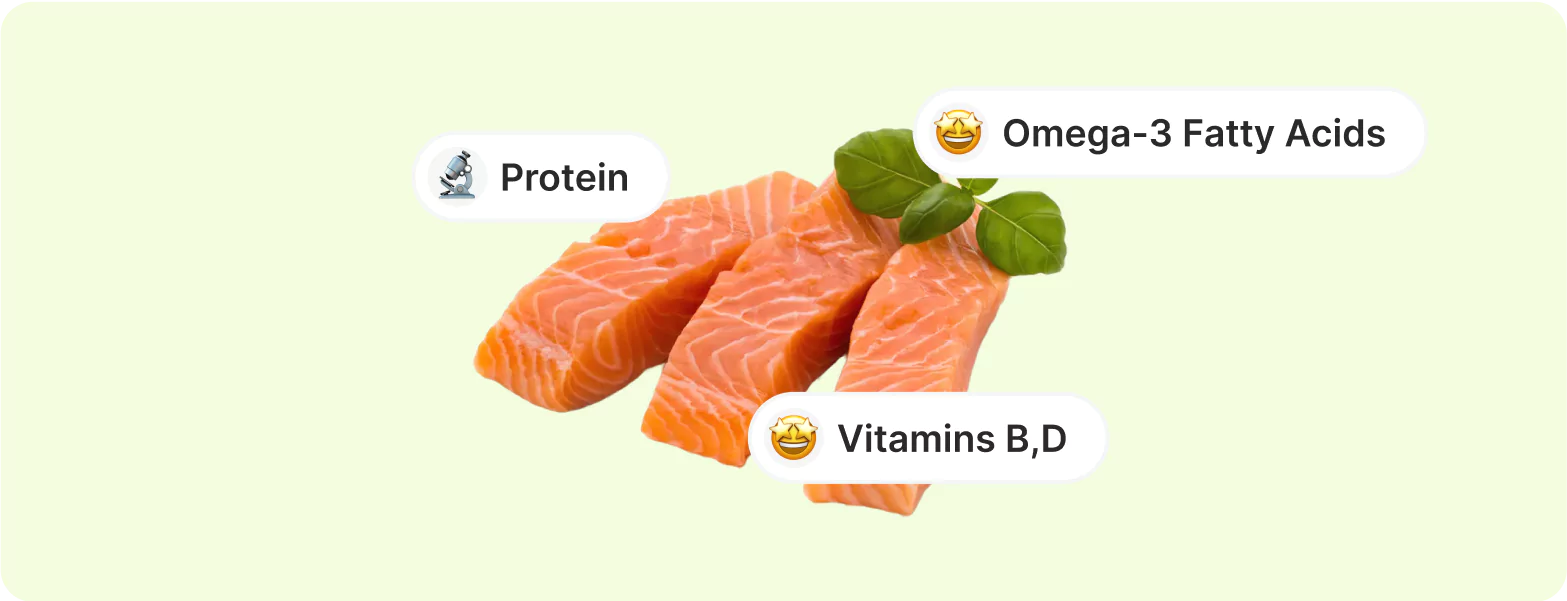
- Lean Proteins: Chicken, turkey, and fish are easy to digest and free of gluten, making them good sources of protein.
- Low-FODMAP Vegetables: Zucchini, carrots, and bell peppers are gentle on the digestive system and versatile in meals.
- Gluten-Free Breads and Cereals: Opt for gluten-free versions that are also low in FODMAPs to keep your gut calm.
- Low-FODMAP Fruits: Bananas, strawberries, and blueberries are gluten-free and easy on the digestive system.
Tip
Explore naturally gluten-free grains like buckwheat and millet to add variety and keep your diet IBS-friendly.
Foods not to eat
- Wheat-Based Products: Avoid bread, pasta, and baked goods that contain gluten and can irritate the gut.
- High-FODMAP Vegetables: Limit broccoli, onions, and cauliflower as they can cause bloating and discomfort.
- Processed Foods: Check labels for hidden gluten and avoid highly processed foods that can trigger symptoms.
- Dairy Products: Be cautious with regular milk and cheese if they cause digestive issues or contain lactose.
- Spicy Foods: Spices and hot sauces can irritate the digestive tract and should be consumed in moderation.
Main benefits
The IBS diet plan for celiac disease provides a gluten-free approach that’s also gentle on the gut. It helps avoid IBS flare-ups triggered by gluten and supports nutrient absorption. This plan includes safe, nutritious foods that cater to both conditions. It’s designed to make managing IBS and celiac disease more comfortable.
How to budget on this diet plan
Stock up on gluten-free grains like rice and quinoa during sales to cut down on costs. Choose naturally gluten-free vegetables and fruits that are in season for better prices. Use budget-friendly protein sources like beans and eggs instead of more expensive gluten-free specialty products. Plan simple, gluten-free meals to avoid pricey processed foods and keep your diet affordable.
Meal plan suggestion
Day 1
- Breakfast: Certified gluten-free oats with almond milk, blueberries, and a sprinkle of chia seeds
- Lunch: Grilled chicken breast with a side of quinoa and sautéed spinach
- Dinner: Baked salmon fillets with roasted sweet potatoes and green beans
- Snack: Lactose-free Greek yogurt with strawberries and sunflower seeds
- Calories 🔥: 1750 Fat 💧: 60g Carbs 🌾: 200g Protein 🥩: 100g
Day 2
- Breakfast: Fortified gluten-free cereal with almond milk and a banana
- Lunch: Lean ground turkey with sautéed bell peppers and brown rice
- Dinner: Canned tuna salad with a side of quinoa and carrots
- Snack: Rice cakes with almond butter and orange slices
- Calories 🔥: 1650 Fat 💧: 58g Carbs 🌾: 190g Protein 🥩: 95g
Day 3
- Breakfast: Gluten-free toast with peanut butter and strawberries
- Lunch: Baked chicken breast with steamed zucchini and quinoa
- Dinner: Grilled tofu with a side of roasted potatoes and green beans
- Snack: Lactose-free Greek yogurt with blueberries and a handful of almonds
- Calories 🔥: 1700 Fat 💧: 62g Carbs 🌾: 195g Protein 🥩: 97g
Day 4
- Breakfast: Certified gluten-free oats with almond milk, banana slices, and chia seeds
- Lunch: Canned lentil soup with a side of brown rice and sautéed spinach
- Dinner: Baked salmon fillets with sweet potatoes and green beans
- Snack: Rice cakes with almond butter and orange slices
- Calories 🔥: 1720 Fat 💧: 61g Carbs 🌾: 198g Protein 🥩: 99g
Day 5
- Breakfast: Fortified gluten-free cereal with almond milk and blueberries
- Lunch: Canned chickpeas salad with quinoa, bell peppers, and a side of green beans
- Dinner: Grilled chicken breast with steamed carrots and quinoa
- Snack: Lactose-free Greek yogurt with strawberries and sunflower seeds
- Calories 🔥: 1680 Fat 💧: 59g Carbs 🌾: 190g Protein 🥩: 96g
Day 6
- Breakfast: Certified gluten-free oats with almond milk, blueberries, and chia seeds
- Lunch: Grilled tofu with sautéed bell peppers and quinoa
- Dinner: Lean ground turkey with roasted potatoes and steamed spinach
- Snack: Rice cakes with peanut butter and a banana
- Calories 🔥: 1700 Fat 💧: 60g Carbs 🌾: 192g Protein 🥩: 98g
Day 7
- Breakfast: Gluten-free toast with almond butter and a banana
- Lunch: Canned tuna salad with quinoa and a side of zucchini
- Dinner: Baked cod fillets with sweet potatoes and green beans
- Snack: Lactose-free Greek yogurt with blueberries and pumpkin seeds
- Calories 🔥: 1720 Fat 💧: 61g Carbs 🌾: 195g Protein 🥩: 99g
These nutritional values are approximate and can vary slightly based on specific portion sizes and preparation methods.
Want to learn more?
Keep in mind
Other diet plans
-

Carnivore diet plan for diabetics
This diet plan on the carnivore diet for diabetic individuals is quite low on carbs while approximating almost 100 percent in protein and fats. This helps to control blood sugar levels. Avoiding sugars and most of carbs can make it possible to have diabetes well under control. It is a radical but straightforward dietary intervention which should be done with supervision and guidance from health practitioners.
-

Carnivore diet plan for healthy eating
Healthy eating in the carnivore diet plan comprises a range of nutrient-dense sourced meats, such as organs and bone broths, which contain critical vitamins and minerals. It aims to eliminate inflammatory reactions, which are characteristic of some lifestyle diseases, and cut back the diet to essential nutrients. It may seem limiting, however, it facilitates looking deeper into the quality of every piece of meat cuisine.
-

Carnivore diet plan for beginners
The following carnivore beginner’s plan is especially intended for those who are new to the carnivore way of life. It begins by eating only meat instead of animal-based foods. Just after a few weeks or so, start introducing other types of food, such as fish, poultry, and organ meat. No complicated steps involved - learn the basics of meat preparation and accommodate a new food pattern.