
IBS diet plan for crohn's disease
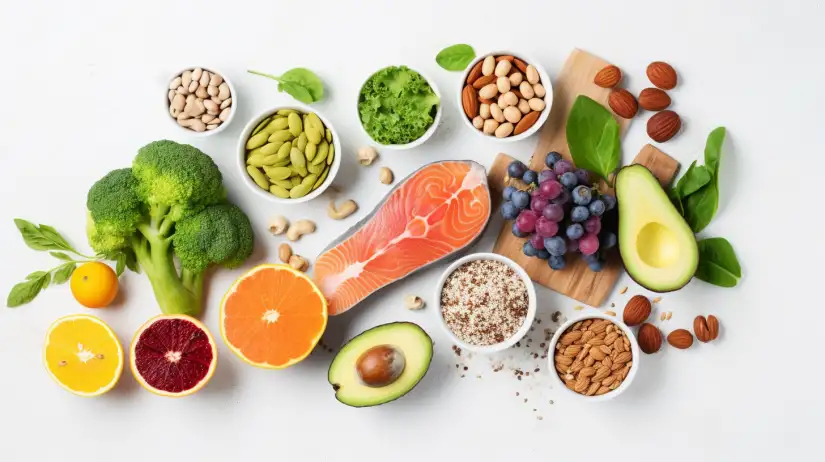
Managing both IBS and Crohn’s disease can feel like a balancing act, but an IBS diet plan tailored for Crohn’s can help. This plan focuses on gentle, nutritious foods that support your digestive health without triggering flare-ups. Enjoy meals that are kind to your gut while providing the nutrients you need to stay strong and healthy.
Diet plan grocery list
Diet plan overview
The IBS diet plan for Crohn’s disease helps manage both conditions by focusing on gentle, nutritious foods. This plan is crafted to support your digestive health without triggering flare-ups. It aims to balance your diet in a way that’s soothing and supportive.
Enjoy meals that keep your gut calm while providing the nutrients you need. This plan makes it easier to handle the complexities of both IBS and Crohn’s disease.
Foods to eat
- Lean Proteins: Chicken, turkey, and fish are easy to digest and provide necessary nutrients without causing irritation.
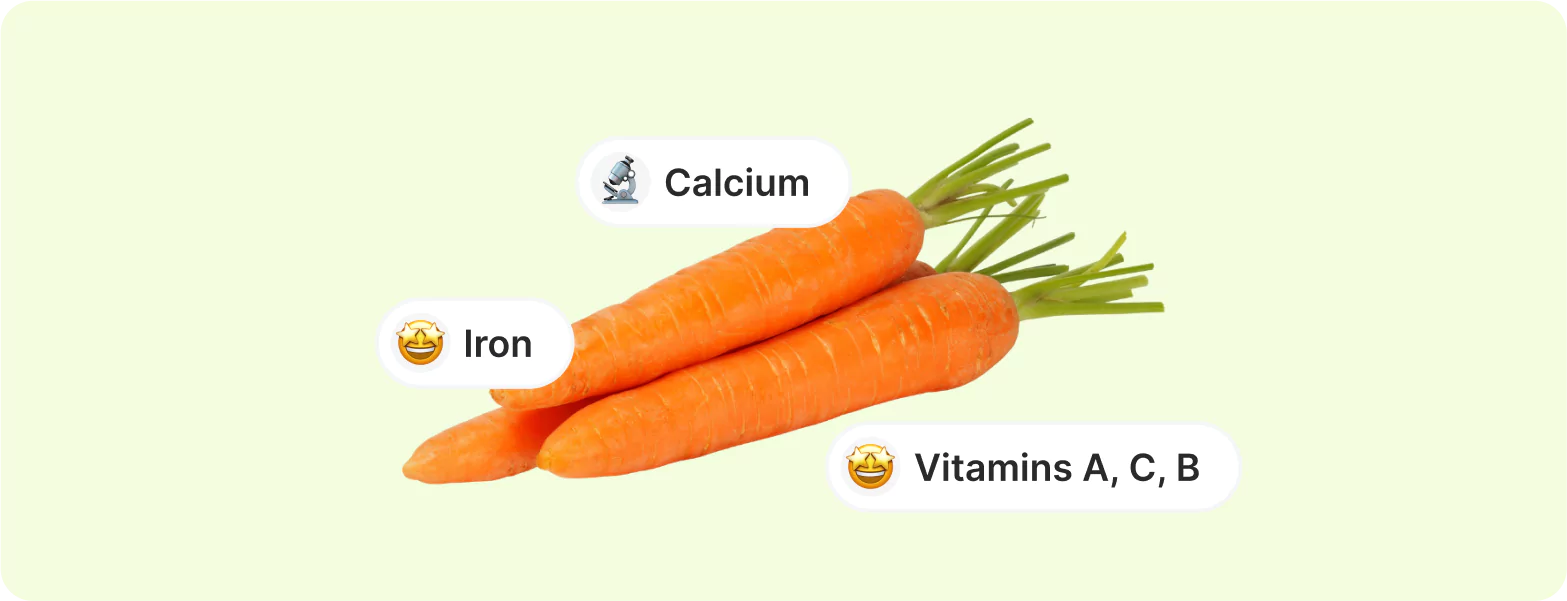
- Low-FODMAP Vegetables: Cooked carrots, zucchini, and spinach are gentle on the digestive tract.
- White Rice and Potatoes: These are bland, easily digestible sources of carbohydrates that provide energy.
- Lactose-Free Dairy: Lactose-free milk and yogurt are easier on the digestive system and offer protein and calcium.
- Bananas and Melons: These fruits are low in fiber and easy to digest, making them suitable for a sensitive gut.
Tip
Stick to a soft, low-fiber diet during flare-ups to reduce digestive strain and help your gut heal more comfortably.
Foods not to eat
- High-Fiber Foods: Avoid whole grains and raw vegetables, as they can exacerbate symptoms during flare-ups.
- Spicy Foods: Chili and hot sauces can irritate the digestive tract and trigger symptoms.
- Dairy Products: Regular milk, cheese, and ice cream can be hard to digest and may cause discomfort.
- Fried and Fatty Foods: Limit fried foods and high-fat meals, as they can slow digestion and cause flare-ups.
- Certain Fruits: Avoid apples, pears, and other high-fiber fruits that can be tough on the digestive system.
Main benefits
The IBS diet plan for Crohn’s disease includes foods that soothe the digestive tract and minimize inflammation. It supports nutrient absorption while avoiding common triggers of Crohn’s flare-ups. This plan helps maintain energy levels and overall health by providing easily digestible nutrition. It balances dietary needs for both conditions effectively.
How to budget on this diet plan
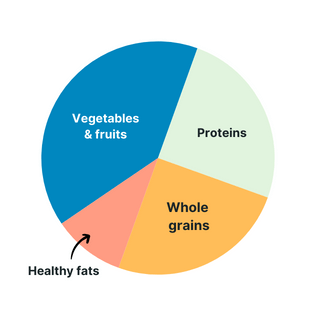
Purchase bulk packages of low-fiber foods like white rice and potatoes to save money. Opt for seasonal low-FODMAP vegetables that are often cheaper and fresher. Use cost-effective protein sources like canned tuna and eggs to keep your diet affordable. Plan meals using simple ingredients and freeze leftovers to avoid waste and extra costs.
Meal plan suggestion
Day 1
- Breakfast: Oats with almond milk, banana slices, and chia seeds
- Lunch: Grilled chicken breast with a side of quinoa and sautéed spinach
- Dinner: Baked salmon fillets with roasted peeled potatoes and green beans
- Snack: Lactose-free Greek yogurt with blueberries and sunflower seeds
- Calories 🔥: 1750 Fat 💧: 60g Carbs 🌾: 200g Protein 🥩: 100g
Day 2
- Breakfast: Fortified gluten-free cereal with almond milk and strawberries
- Lunch: Lean ground turkey with sautéed bell peppers and a side of white rice
- Dinner: Canned tuna salad with a side of quinoa and peeled cucumbers
- Snack: Rice cakes with almond butter and peeled apple slices
- Calories 🔥: 1650 Fat 💧: 58g Carbs 🌾: 190g Protein 🥩: 95g
Day 3
- Breakfast: Gluten-free toast with peanut butter and blueberries
- Lunch: Baked chicken breast with steamed zucchini and quinoa
- Dinner: Grilled tofu with a side of roasted peeled potatoes and green beans
- Snack: Lactose-free Greek yogurt with blueberries and pumpkin seeds
- Calories 🔥: 1700 Fat 💧: 62g Carbs 🌾: 195g Protein 🥩: 97g
Day 4
- Breakfast: Oats with almond milk, banana slices, and ground flaxseed
- Lunch: Canned lentil soup with a side of white rice and sautéed spinach
- Dinner: Baked salmon fillets with roasted peeled potatoes and green beans
- Snack: Rice cakes with almond butter and peeled apple slices
- Calories 🔥: 1720 Fat 💧: 61g Carbs 🌾: 198g Protein 🥩: 99g
Day 5
- Breakfast: Fortified gluten-free cereal with almond milk and blueberries
- Lunch: Canned chickpeas salad with quinoa, bell peppers, and a side of green beans
- Dinner: Grilled chicken breast with steamed carrots and rice
- Snack: Lactose-free Greek yogurt with strawberries and sunflower seeds
- Calories 🔥: 1680 Fat 💧: 59g Carbs 🌾: 190g Protein 🥩: 96g
Day 6
- Breakfast: Oats with almond milk, blueberries, and chia seeds
- Lunch: Grilled tofu with sautéed bell peppers and quinoa
- Dinner: Lean ground turkey with roasted peeled potatoes and steamed spinach
- Snack: Rice cakes with peanut butter and banana slices
- Calories 🔥: 1700 Fat 💧: 60g Carbs 🌾: 192g Protein 🥩: 98g
Day 7
- Breakfast: Gluten-free toast with almond butter and a banana
- Lunch: Canned tuna salad with quinoa and a side of zucchini
- Dinner: Baked cod fillets with sweet potatoes and green beans
- Snack: Lactose-free Greek yogurt with blueberries and pumpkin seeds
- Calories 🔥: 1720 Fat 💧: 61g Carbs 🌾: 195g Protein 🥩: 99g
These nutritional values are approximate and can vary slightly based on specific portion sizes and preparation methods.
Want to learn more?
Keep in mind
Other diet plans
-

Carnivore diet plan for diabetics
This diet plan on the carnivore diet for diabetic individuals is quite low on carbs while approximating almost 100 percent in protein and fats. This helps to control blood sugar levels. Avoiding sugars and most of carbs can make it possible to have diabetes well under control. It is a radical but straightforward dietary intervention which should be done with supervision and guidance from health practitioners.
-

Carnivore diet plan for healthy eating
Healthy eating in the carnivore diet plan comprises a range of nutrient-dense sourced meats, such as organs and bone broths, which contain critical vitamins and minerals. It aims to eliminate inflammatory reactions, which are characteristic of some lifestyle diseases, and cut back the diet to essential nutrients. It may seem limiting, however, it facilitates looking deeper into the quality of every piece of meat cuisine.
-

Carnivore diet plan for beginners
The following carnivore beginner’s plan is especially intended for those who are new to the carnivore way of life. It begins by eating only meat instead of animal-based foods. Just after a few weeks or so, start introducing other types of food, such as fish, poultry, and organ meat. No complicated steps involved - learn the basics of meat preparation and accommodate a new food pattern.