
Indian diet plan for adhd
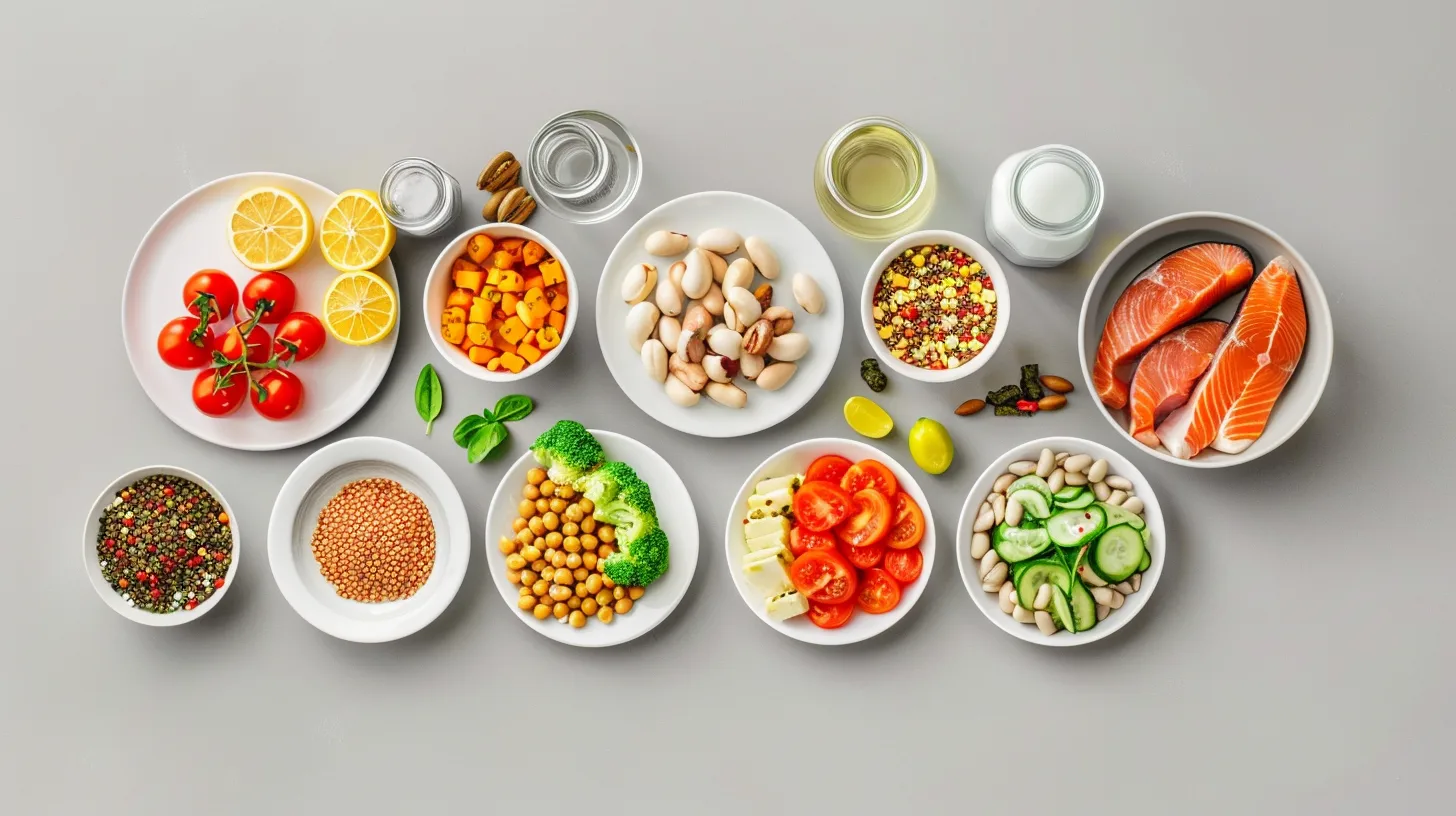
Support focus and attention with an Indian diet low in additives and high in brain-boosting nutrients. Recipes like oats upma and fish curry can be both tasty and beneficial.
Diet plan grocery list
Diet plan overview
An Indian diet plan for adhd aims to support cognitive functions and manage symptoms. It integrates foods rich in omega-3 fatty acids like flaxseeds and walnuts, known for their brain-boosting properties. Avoiding additives, preservatives, and artificial colors is part of the strategy to reduce hyperactivity.
The diet encourages the inclusion of whole, nutrient-dense foods that are high in fiber and protein to stabilize energy levels throughout the day. This approach helps in maintaining focus and decreasing impulsiveness in individuals with ADHD.
Foods to eat
- Protein-Rich Foods: Chicken, fish, and eggs to enhance dopamine levels and improve focus.
- Complex Carbohydrates: Oats, quinoa, and whole wheat that provide steady energy.
- Omega-3 Fatty Acids: Mackerel, salmon, and walnuts which are beneficial for brain health.
- Iron-Rich Foods: Spinach, tofu, and lean meats to help mitigate symptoms of ADHD.
- Zinc-Rich Foods: Pumpkin seeds, cashews, and chickpeas which can aid in neurotransmitter function.
Tip
Add naturally sweetened yogurt to your diet; it's great for ADHD management and helps maintain blood sugar levels.
Foods not to eat
- Artificial Additives: Avoid processed foods containing artificial colors, flavors, and preservatives.
- High Sugar Foods: Cakes, candies, and sugary cereals which can lead to energy spikes and crashes.
- Simple Carbohydrates: Pastries and white bread that can cause quick changes in blood sugar.
- Caffeine: Coffee and energy drinks that might exacerbate anxiety and sleep issues.
- Fried and Fatty Foods: Chips and burgers that are difficult to digest and can affect focus.
Main benefits
Enhance cognitive function and manage hyperactivity with the Indian diet plan for ADHD. This plan emphasizes the importance of omega-3 fatty acids found in fish and flaxseeds, which are crucial for brain health. It also limits additives and refined sugars, helping to reduce ADHD symptoms and improve focus. The use of whole, unprocessed foods supports overall mental clarity and sustained energy levels throughout the day.

How to budget on this diet plan
Supporting ADHD through diet doesn't have to break the bank. Focus on nutrient-rich foods like fruits, vegetables, whole grains, and lean proteins, which provide essential vitamins and minerals without costing a fortune. Incorporate omega-3 fatty acids into your diet by eating fatty fish like salmon or adding flaxseeds and walnuts to your meals, these can help improve cognitive function and are often affordable options. Limit your intake of processed foods and sugary snacks, which can exacerbate ADHD symptoms and strain your budget. And consider meal prepping to save time and money while ensuring you have nutritious options on hand throughout the week.
Meal plan suggestion
Day 1
- Breakfast: Oats with milk and strawberries
- Lunch: Spinach and lentil curry with rice
- Dinner: Grilled chicken with green beans and carrots
- Snack: Banana
Day 2
- Breakfast: Brown bread toast with scrambled eggs and tomatoes
- Lunch: Chickpea and potato curry with rice
- Dinner: Fish curry with green peas and rice
- Snack: Apple
Day 3
- Breakfast: Yogurt with mango and oats
- Lunch: Chicken and bell pepper stir-fry with rice
- Dinner: Paneer and cauliflower curry with rice
- Snack: Orange
Day 4
- Breakfast: Oats with milk and bananas
- Lunch: Lentil and carrot soup with brown bread
- Dinner: Grilled fish with spinach and green beans
- Snack: Papaya
Day 5
- Breakfast: Paneer and bell pepper sandwich on brown bread
- Lunch: Chickpea and spinach curry with rice
- Dinner: Chicken curry with cauliflower and rice
- Snack: Mango
Day 6
- Breakfast: Yogurt with strawberries and oats
- Lunch: Green pea and potato curry with rice
- Dinner: Fish and carrot stir-fry with brown bread
- Snack: Orange
Day 7
- Breakfast: Scrambled eggs with spinach and brown bread
- Lunch: Lentil and cauliflower curry with rice
- Dinner: Chicken and green bean curry with rice
- Snack: Papaya
Want to learn more?
Keep in mind
Other diet plans
-

Carnivore diet plan for diabetics
This diet plan on the carnivore diet for diabetic individuals is quite low on carbs while approximating almost 100 percent in protein and fats. This helps to control blood sugar levels. Avoiding sugars and most of carbs can make it possible to have diabetes well under control. It is a radical but straightforward dietary intervention which should be done with supervision and guidance from health practitioners.
-

Carnivore diet plan for healthy eating
Healthy eating in the carnivore diet plan comprises a range of nutrient-dense sourced meats, such as organs and bone broths, which contain critical vitamins and minerals. It aims to eliminate inflammatory reactions, which are characteristic of some lifestyle diseases, and cut back the diet to essential nutrients. It may seem limiting, however, it facilitates looking deeper into the quality of every piece of meat cuisine.
-

Carnivore diet plan for beginners
The following carnivore beginner’s plan is especially intended for those who are new to the carnivore way of life. It begins by eating only meat instead of animal-based foods. Just after a few weeks or so, start introducing other types of food, such as fish, poultry, and organ meat. No complicated steps involved - learn the basics of meat preparation and accommodate a new food pattern.