
Indian diet plan for beginners
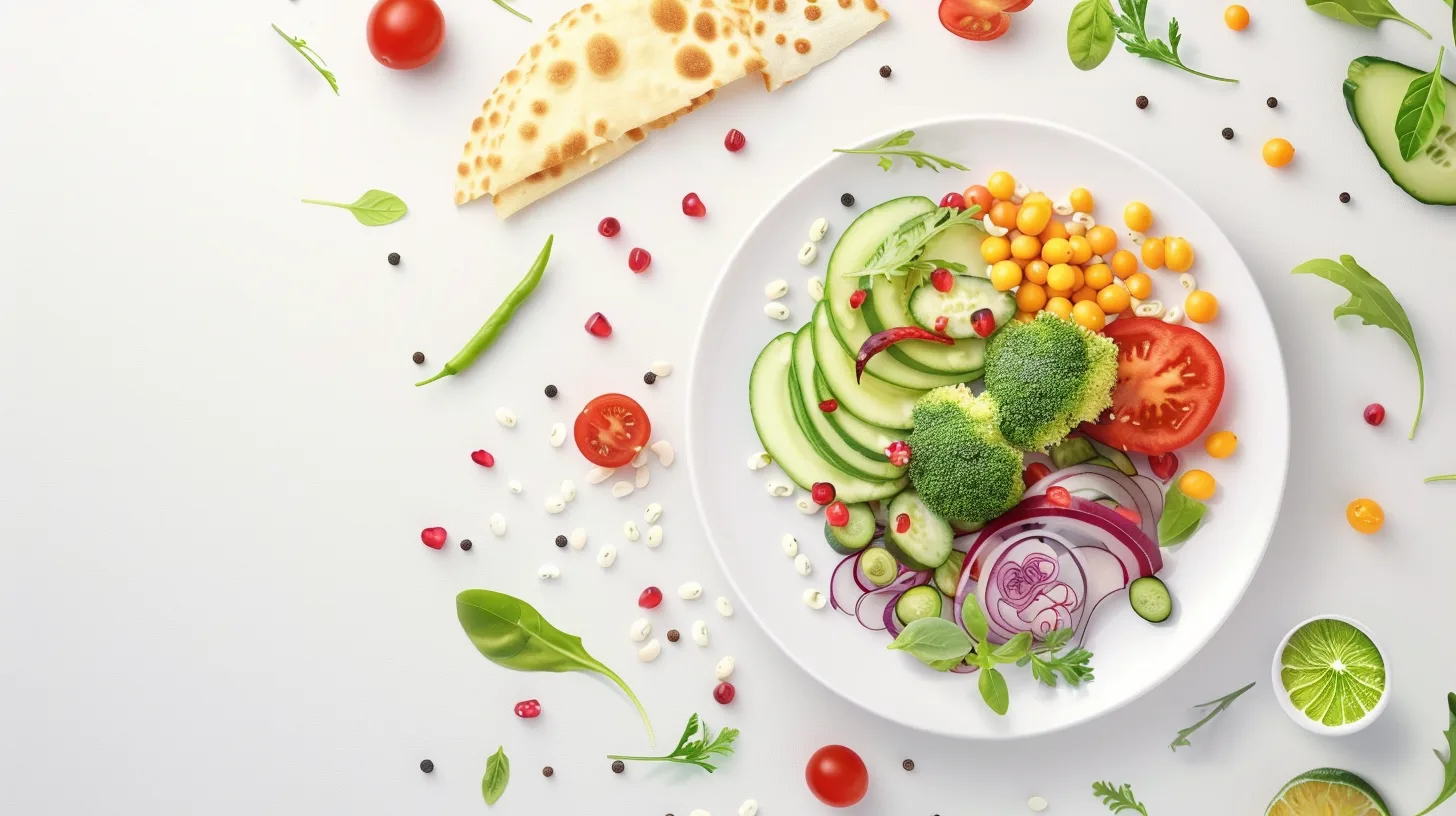
New to Indian cuisine? Start with this beginner-friendly Indian diet plan. It’s packed with a variety of flavorful, nutritious dishes that are simple to prepare and perfect for easing into the diverse world of Indian food.
Diet plan grocery list
Diet plan overview
The indian diet plan for beginners is a great introduction to the rich flavors and diverse ingredients typical of Indian cuisine. It focuses on simple recipes that are easy to prepare, incorporating a variety of spices to boost both flavor and nutritional value.
This plan gradually introduces new foods and cooking techniques, making it less overwhelming for those new to Indian cooking. Balanced meals include staples like rice, dal, and roti, complemented by vegetable curries and yogurt.
Foods to eat
- Whole Grains: Include basmati rice, whole wheat roti, and millet for good digestion and energy.
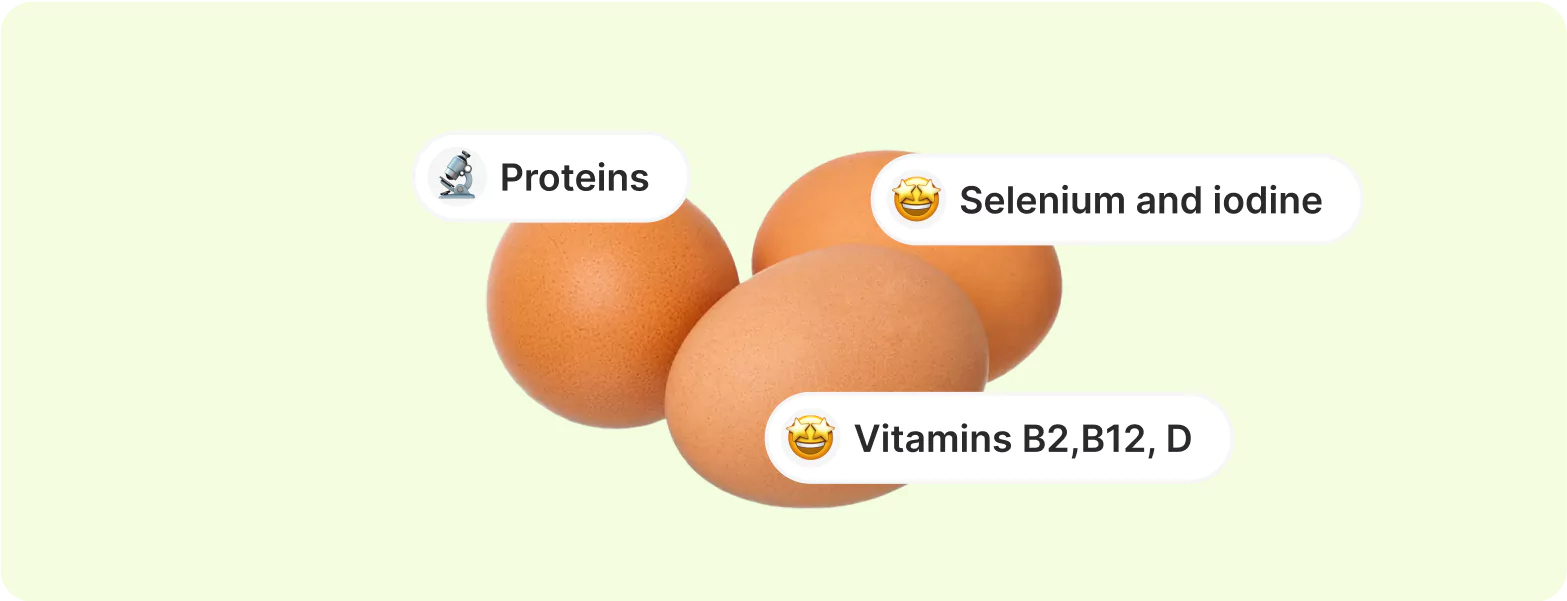
- Lean Proteins: Chicken, fish, dal, and paneer are great for building a balanced diet.
- Fruits and Vegetables: Incorporate a variety of seasonal fruits and vegetables for vitamins and minerals.
- Healthy Fats: Use moderate amounts of ghee, coconut oil, and mustard oil in cooking.
- Yogurt and Buttermilk: Add these for probiotics, calcium, and a refreshing taste.
Tip
Start your Indian diet journey by experimenting with sprouting your lentils and beans to enhance digestion and nutrient absorption.
Foods not to eat
- Refined Sugar: Avoid sweets and sugary drinks which provide empty calories.
- Deep-Fried Foods: Cut back on pakoras, samosas, and bhajis that are high in unhealthy fats.
- Refined Carbs: Limit consumption of white bread and other refined flour products.
- Heavy Spices: While spices are central to Indian cuisine, overuse can upset the stomach.
- Excessive Salt: Reduce salt in dishes to maintain heart health and prevent water retention.
Main benefits
The Indian diet plan for beginners introduces newcomers to a fiber-rich diet with a variety of legumes and vegetables, making it ideal for improving digestion. It’s rich in spices like turmeric and ginger that offer anti-inflammatory benefits, which are crucial for overall health. The plan emphasizes low-fat dairy and plant-based proteins, ensuring a balanced intake of essential nutrients. Plus, the inclusion of whole grains like millet and amaranth supports sustained energy levels throughout the day.

How to budget on this diet plan
Embarking on an Indian diet plan as a beginner can be exciting and budget-friendly with some savvy tips. Start by stocking up on staple ingredients like rice, lentils, and spices, which can be bought in bulk for cost savings. Opt for plant-based proteins like lentils, chickpeas, and tofu, which are not only affordable but also nutritious. Explore local Indian markets or grocery stores for budget-friendly produce and specialty items. And don't be afraid to get creative with spices and flavors to keep your meals interesting without breaking the bank. Remember, simplicity is key when starting out on your Indian diet journey.
Meal plan suggestion
Day 1
- Breakfast: Spinach and cottage cheese paratha (whole wheat flour)
- Lunch: Rice with chickpea curry, cucumber raita
- Dinner: Chicken curry with chapati, mixed vegetable salad (tomatoes, onions, carrots)
- Snack: Apple slices with yogurt
Day 2
- Breakfast: Vegetable upma (semolina made from wheat flour, mixed vegetables)
- Lunch: Lentil soup with rice, cabbage and carrot stir-fry
- Dinner: Mutton curry with rice, coriander chutney
- Snack: Banana with milk
Day 3
- Breakfast: Boiled eggs with spinach and tomato salad
- Lunch: Fish curry with rice, okra fry
- Dinner: Eggplant and potato curry with chapati
- Snack: Mango smoothie (milk, mango, yogurt)
Day 4
- Breakfast: Cottage cheese and tomato stuffed paratha (whole wheat flour)
- Lunch: Chicken biryani (rice, chicken, spices), cucumber raita
- Dinner: Lentil dal with rice, spinach stir-fry
- Snack: Orange slices with yogurt
Day 5
- Breakfast: Carrot and ginger smoothie (milk, carrots, ginger)
- Lunch: Mutton keema with chapati, onion and tomato salad
- Dinner: Fish fry with rice, bell pepper stir-fry
- Snack: Apple and banana salad
Day 6
- Breakfast: Vegetable poha (flattened rice, mixed vegetables)
- Lunch: Chickpea curry with rice, coriander chutney
- Dinner: Chicken tikka with chapati, cabbage and carrot slaw
- Snack: Mango slices with yogurt
Day 7
- Breakfast: Scrambled eggs with spinach and tomatoes
- Lunch: Lentil dal with rice, okra fry
- Dinner: Mutton curry with rice, bell pepper stir-fry
- Snack: Orange and banana smoothie (milk, oranges, bananas)
Want to learn more?
Keep in mind
Other diet plans
-

Carnivore diet plan for diabetics
This diet plan on the carnivore diet for diabetic individuals is quite low on carbs while approximating almost 100 percent in protein and fats. This helps to control blood sugar levels. Avoiding sugars and most of carbs can make it possible to have diabetes well under control. It is a radical but straightforward dietary intervention which should be done with supervision and guidance from health practitioners.
-

Carnivore diet plan for healthy eating
Healthy eating in the carnivore diet plan comprises a range of nutrient-dense sourced meats, such as organs and bone broths, which contain critical vitamins and minerals. It aims to eliminate inflammatory reactions, which are characteristic of some lifestyle diseases, and cut back the diet to essential nutrients. It may seem limiting, however, it facilitates looking deeper into the quality of every piece of meat cuisine.
-

Carnivore diet plan for beginners
The following carnivore beginner’s plan is especially intended for those who are new to the carnivore way of life. It begins by eating only meat instead of animal-based foods. Just after a few weeks or so, start introducing other types of food, such as fish, poultry, and organ meat. No complicated steps involved - learn the basics of meat preparation and accommodate a new food pattern.