
Indian diet plan for detox
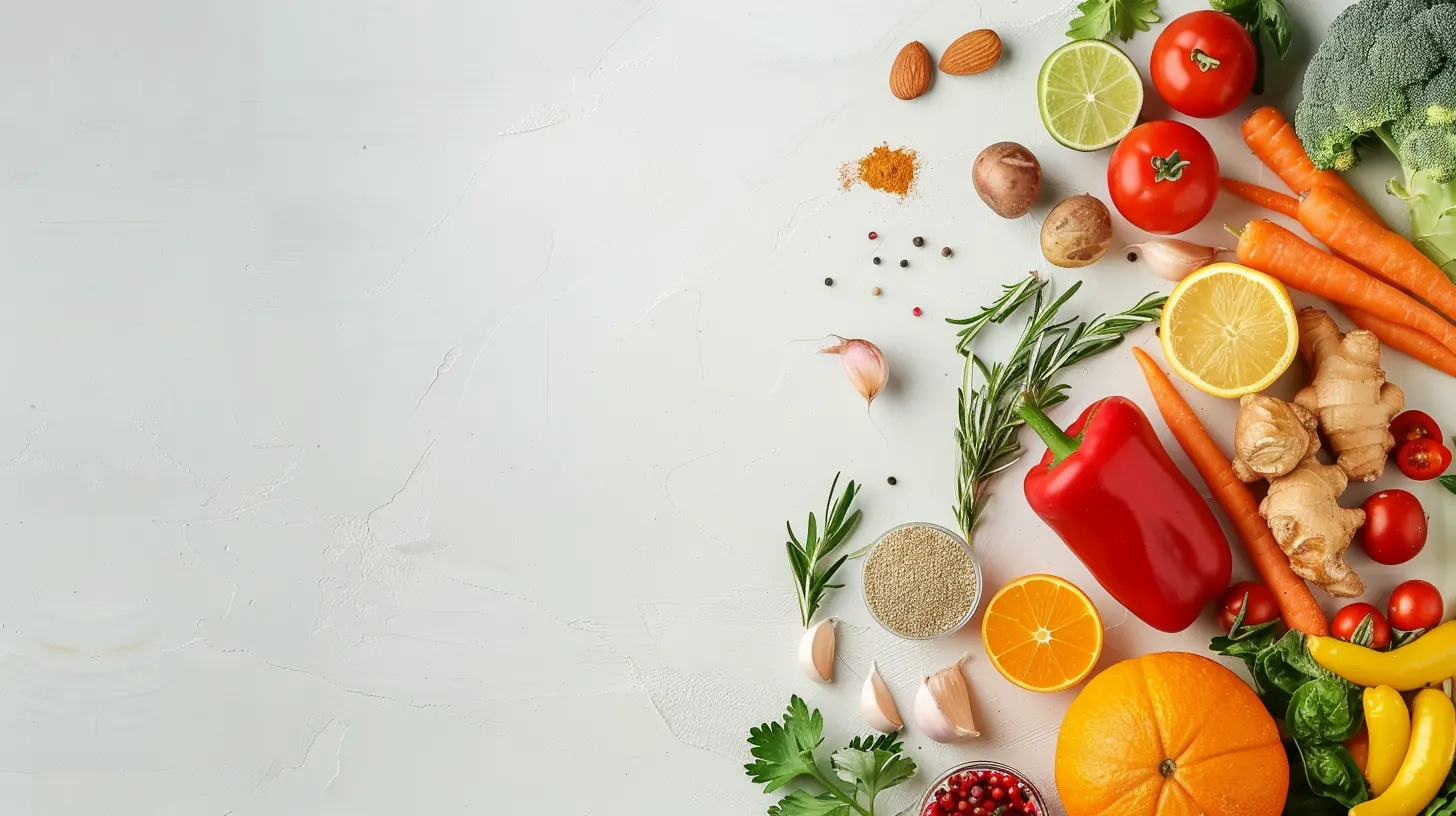
Flush out toxins with an Indian detox diet. This plan includes lots of hydrating beverages, fiber-rich fruits, and vegetables, along with spices that naturally cleanse the body, promoting a refreshed and rejuvenated feeling.
Diet plan grocery list
Diet plan overview
Aiming to cleanse the body, the indian diet plan for detox focuses on high-fiber fruits, vegetables, and water-rich foods. It eliminates processed foods and sugars to reduce the load on your digestive system, promoting a natural detoxification process.
Meals are light yet nourishing, often including herbal teas and detox water infused with lemon, cucumber, and mint. This approach not only purifies the body but also enhances mental clarity.
Foods to eat
- Green Leafy Vegetables: Spinach, kale, and mustard greens help detoxify the body.
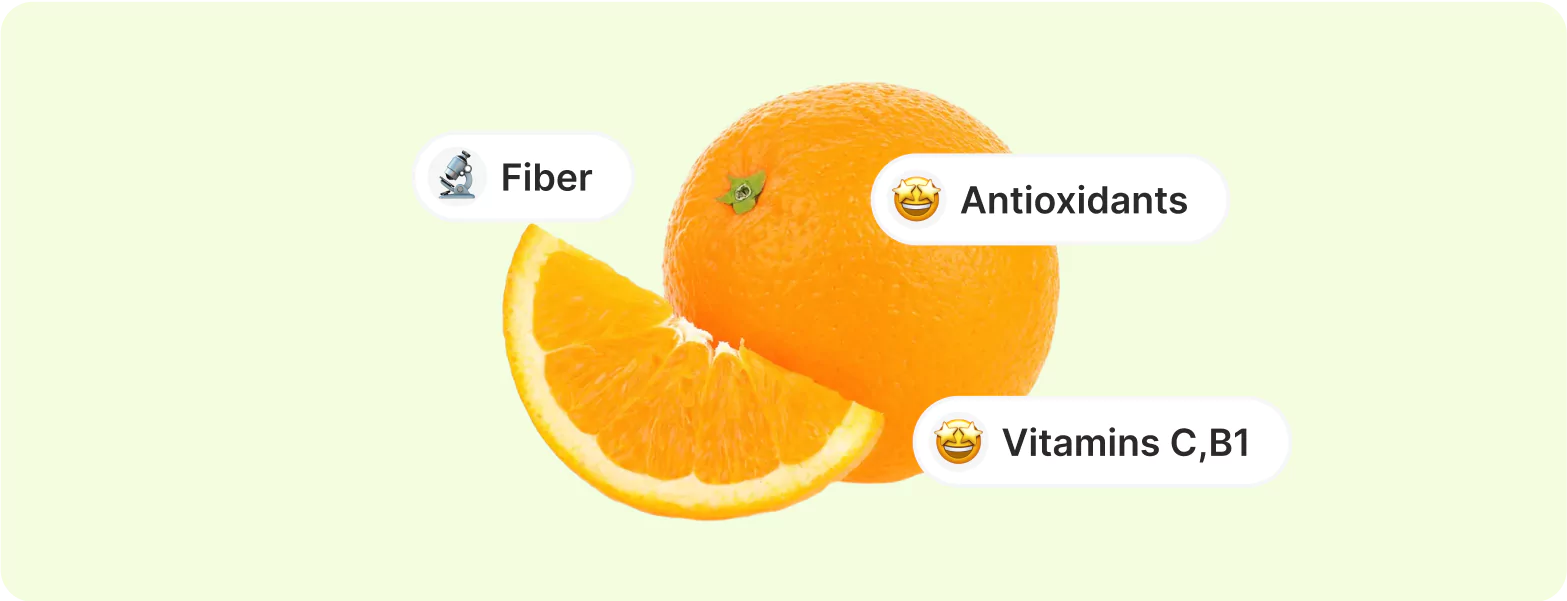
- Fresh Fruits: Citrus fruits, apples, and pears are high in fiber and natural sugars.
- Whole Grains: Brown rice and oats are great for cleansing due to their fiber content.
- Nuts and Seeds: Almonds, flaxseeds, and sunflower seeds for healthy fats and nutrients.
- Herbal Teas: Green tea, dandelion tea, and tulsi tea promote detoxification and wellness.
Tip
Amp up your detox process by adding turmeric to your meals, which helps in liver detoxification and adds a flavorful kick.
Foods not to eat
- Processed Foods: Avoid packaged snacks and fast food that are high in preservatives and fats.
- Sugar-Loaded Beverages: Cut down on soda, energy drinks, and pre-packaged fruit juices.
- Alcohol: Eliminate alcohol to reduce liver stress and promote overall health.
- Caffeine: Minimize intake of coffee and black tea during detox phases.
- Red and Processed Meats: These are heavy on the digestive system and not ideal for detox.
Main benefits
The Indian diet plan for detox maximizes the detoxifying properties of herbs and spices like cilantro and cumin, which are known to support liver function and aid digestion. It's abundant in fruits and vegetables that cleanse the body while providing essential vitamins and minerals. Hydration is emphasized through the inclusion of herbal teas and infused waters, which help flush out toxins and improve skin health. Additionally, this diet encourages a reduction in salt and sugar intake, enhancing overall detoxification processes.

How to budget on this diet plan
On an Indian diet plan for detox, focus on whole, unprocessed foods like fruits, vegetables, and legumes to cleanse your body naturally. To save money, skip the expensive detox products and opt for homemade detox drinks using ingredients like lemon, cucumber, and mint. Incorporate budget-friendly detox foods like cabbage, broccoli, and beets into your meals for added nutrients and fiber. Consider intermittent fasting as a budget-friendly detox method, as it can help reset your digestive system without the need for expensive supplements. And don't forget to stay hydrated by drinking plenty of water throughout the day.
Meal plan suggestion
Day 1
- Breakfast: Greek yogurt with chia seeds, flaxseeds, and a mix of apples and bananas
- Lunch: Quinoa salad with spinach, kale, tomatoes, cucumber, bell peppers, and lemon dressing
- Dinner: Grilled salmon with steamed broccoli, carrots, and beetroot
- Snack: Sliced papaya and a handful of almonds
Day 2
- Breakfast: Smoothie with Greek yogurt, spinach, mango, and chia seeds
- Lunch: Chickpea salad with kale, tomatoes, onions, bell peppers, and lemon dressing
- Dinner: Tofu stir-fry with broccoli, cauliflower, carrots, and ginger-garlic sauce
- Snack: Sliced watermelon and walnuts
Day 3
- Breakfast: Cottage cheese with flaxseeds, chopped apples, and a sprinkle of walnuts
- Lunch: Brown rice bowl with lentils, spinach, tomatoes, and cucumber
- Dinner: Grilled chicken breast with steamed broccoli, cauliflower, and beetroot
- Snack: Orange slices and a handful of almonds
Day 4
- Breakfast: Greek yogurt with chia seeds, mango, and a drizzle of lemon
- Lunch: Quinoa bowl with chickpeas, spinach, carrots, bell peppers, and lemon dressing
- Dinner: Baked salmon with steamed broccoli, carrots, and a side of cucumber-tomato salad
- Snack: Sliced papaya and walnuts
Day 5
- Breakfast: Smoothie with Greek yogurt, spinach, bananas, and chia seeds
- Lunch: Lentil salad with kale, tomatoes, onions, bell peppers, and lemon dressing
- Dinner: Tofu curry with broccoli, cauliflower, carrots, and ginger-garlic sauce
- Snack: Sliced watermelon and almonds
Day 6
- Breakfast: Cottage cheese with flaxseeds, chopped oranges, and a sprinkle of walnuts
- Lunch: Brown rice bowl with chickpeas, spinach, tomatoes, and cucumber
- Dinner: Grilled chicken breast with steamed broccoli, cauliflower, and beetroot
- Snack: Grape slices and a handful of almonds
Day 7
- Breakfast: Greek yogurt with chia seeds, bananas, and a drizzle of lemon
- Lunch: Quinoa bowl with lentils, spinach, carrots, bell peppers, and lemon dressing
- Dinner: Baked salmon with steamed broccoli, carrots, and a side of cucumber-tomato salad
- Snack: Sliced papaya and walnuts
Want to learn more?
Keep in mind
Other diet plans
-

Carnivore diet plan for diabetics
This diet plan on the carnivore diet for diabetic individuals is quite low on carbs while approximating almost 100 percent in protein and fats. This helps to control blood sugar levels. Avoiding sugars and most of carbs can make it possible to have diabetes well under control. It is a radical but straightforward dietary intervention which should be done with supervision and guidance from health practitioners.
-

Carnivore diet plan for healthy eating
Healthy eating in the carnivore diet plan comprises a range of nutrient-dense sourced meats, such as organs and bone broths, which contain critical vitamins and minerals. It aims to eliminate inflammatory reactions, which are characteristic of some lifestyle diseases, and cut back the diet to essential nutrients. It may seem limiting, however, it facilitates looking deeper into the quality of every piece of meat cuisine.
-

Carnivore diet plan for beginners
The following carnivore beginner’s plan is especially intended for those who are new to the carnivore way of life. It begins by eating only meat instead of animal-based foods. Just after a few weeks or so, start introducing other types of food, such as fish, poultry, and organ meat. No complicated steps involved - learn the basics of meat preparation and accommodate a new food pattern.