
Indian diet plan for elimination diet
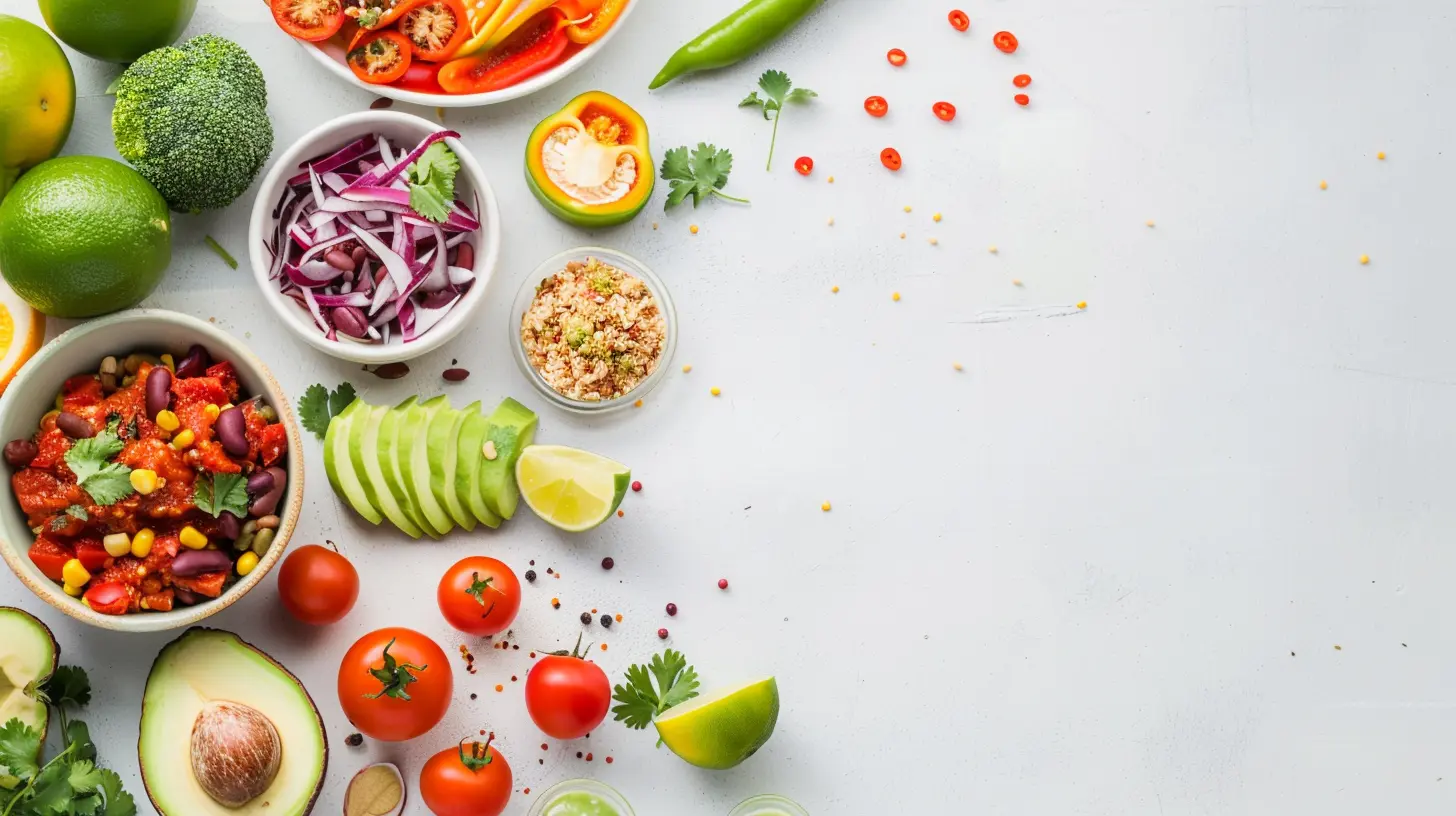
Navigating an elimination diet? Simplify it with Indian cuisine by incorporating naturally allergen-free ingredients. Think mung dal, rice-based dishes, and plenty of turmeric-spiced vegetables.
Diet plan grocery list
Diet plan overview
An Indian diet plan for elimination diet is designed to identify food intolerances or allergies through a systematic approach. Initially, the plan removes common allergens and irritants like dairy, soy, nuts, and wheat from your meals. Over a few weeks, you'll reintroduce these foods one at a time to monitor how your body reacts.
With a focus on whole, minimally processed foods, this diet often incorporates a variety of rice dishes, lentils, and vegetables, making it nutrient-rich yet gentle on the stomach. The simplicity of the meals helps in keeping track of reactions and maintaining nutritional balance.

Foods to eat
- Root Vegetables: Sweet potatoes, carrots, and beets that are less likely to cause allergic reactions.
- Rice and Rice Products: White rice, rice cakes, and rice pasta as they are gluten-free and easy to digest.
- Fresh Fruits: Apples, pears, and bananas; avoid citrus fruits as they might trigger allergies in some people.
- Lean Meats: Skinless poultry and fish that are simply cooked without complex seasonings.
- Herbal Teas: Chamomile or mint tea which are soothing and less likely to cause discomfort.
Tip
Try an elimination approach by slowly introducing common allergens like dairy and wheat to identify sensitivities, using traditional Indian cooking methods to keep meals exciting.
Foods not to eat
- Spicy Foods: Avoid chilies and hot spices as they can irritate the digestive system.
- Dairy Products: Milk, cheese, and yogurt should be avoided initially.
- Gluten-Containing Grains: Wheat, barley, and rye are common allergens and are not recommended.
- Nuts and Seeds: Common allergens like peanuts and almonds should be excluded at the start.
- Processed Foods: Stay away from canned foods and ready meals that may contain hidden allergens.
Main benefits
Discovering your food sensitivities has never been easier! The Indian diet plan for elimination diet gently guides you through identifying foods that may cause discomfort or allergic reactions. By systematically removing and reintroducing specific foods, this plan can significantly enhance your digestive health and overall well-being. It's a proactive approach that might just lead to better energy levels and a happier gut.

How to budget on this diet plan
Navigating an elimination diet while on a budget is possible with a bit of planning. Focus on whole foods like fruits, vegetables, lean proteins, and gluten-free grains, which tend to be more affordable than processed alternatives. Buy frozen fruits and vegetables when fresh options are expensive or out of season, they're just as nutritious and often cheaper. Experiment with different affordable protein sources like beans, lentils, and eggs to keep your meals varied and satisfying. And don't forget to utilize herbs and spices to add flavor to your dishes without spending extra on sauces and seasonings.
Meal plan suggestion
Day 1
- Breakfast: Oatmeal with Almonds, Walnuts, and Berries
- Lunch: Quinoa Salad with Spinach, Kale, Bell Peppers, and Cucumbers
- Dinner: Grilled Chicken Breast with Broccoli and Carrots
- Snack: Apple with Pumpkin Seeds
Day 2
- Breakfast: Smoothie with Bananas, Oranges, and Chia Seeds
- Lunch: Lentil Soup with Tomatoes and Spinach
- Dinner: Baked Salmon with Millet and Kale
- Snack: Yogurt with Sunflower Seeds
Day 3
- Breakfast: Buckwheat Porridge with Cashews and Berries
- Lunch: Chickpea Salad with Tomatoes, Cucumbers, and Bell Peppers
- Dinner: Turkey Breast with Quinoa and Broccoli
- Snack: Orange with Flaxseeds
Day 4
- Breakfast: Millet Porridge with Almonds and Bananas
- Lunch: Tofu Stir-Fry with Kale, Bell Peppers, and Carrots
- Dinner: Chicken Breast with Buckwheat and Spinach
- Snack: Cottage Cheese with Walnuts
Day 5
- Breakfast: Quinoa with Yogurt, Berries, and Chia Seeds
- Lunch: Spinach and Kale Salad with Almonds, Tomatoes, and Cucumbers
- Dinner: Salmon with Rice and Broccoli
- Snack: Banana with Pumpkin Seeds
Day 6
- Breakfast: Oatmeal with Cashews and Apples
- Lunch: Chickpea and Tomato Soup with Kale
- Dinner: Turkey Breast with Millet and Bell Peppers
- Snack: Yogurt with Sunflower Seeds
Day 7
- Breakfast: Buckwheat Porridge with Pistachios and Oranges
- Lunch: Tofu Salad with Spinach, Tomatoes, and Cucumbers
- Dinner: Chicken Breast with Quinoa and Carrots
- Snack: Cottage Cheese with Flaxseeds
Want to learn more?
Keep in mind
Other diet plans
-

Carnivore diet plan for diabetics
This diet plan on the carnivore diet for diabetic individuals is quite low on carbs while approximating almost 100 percent in protein and fats. This helps to control blood sugar levels. Avoiding sugars and most of carbs can make it possible to have diabetes well under control. It is a radical but straightforward dietary intervention which should be done with supervision and guidance from health practitioners.
-

Carnivore diet plan for healthy eating
Healthy eating in the carnivore diet plan comprises a range of nutrient-dense sourced meats, such as organs and bone broths, which contain critical vitamins and minerals. It aims to eliminate inflammatory reactions, which are characteristic of some lifestyle diseases, and cut back the diet to essential nutrients. It may seem limiting, however, it facilitates looking deeper into the quality of every piece of meat cuisine.
-

Carnivore diet plan for beginners
The following carnivore beginner’s plan is especially intended for those who are new to the carnivore way of life. It begins by eating only meat instead of animal-based foods. Just after a few weeks or so, start introducing other types of food, such as fish, poultry, and organ meat. No complicated steps involved - learn the basics of meat preparation and accommodate a new food pattern.