
Indian diet plan for insulin resistance
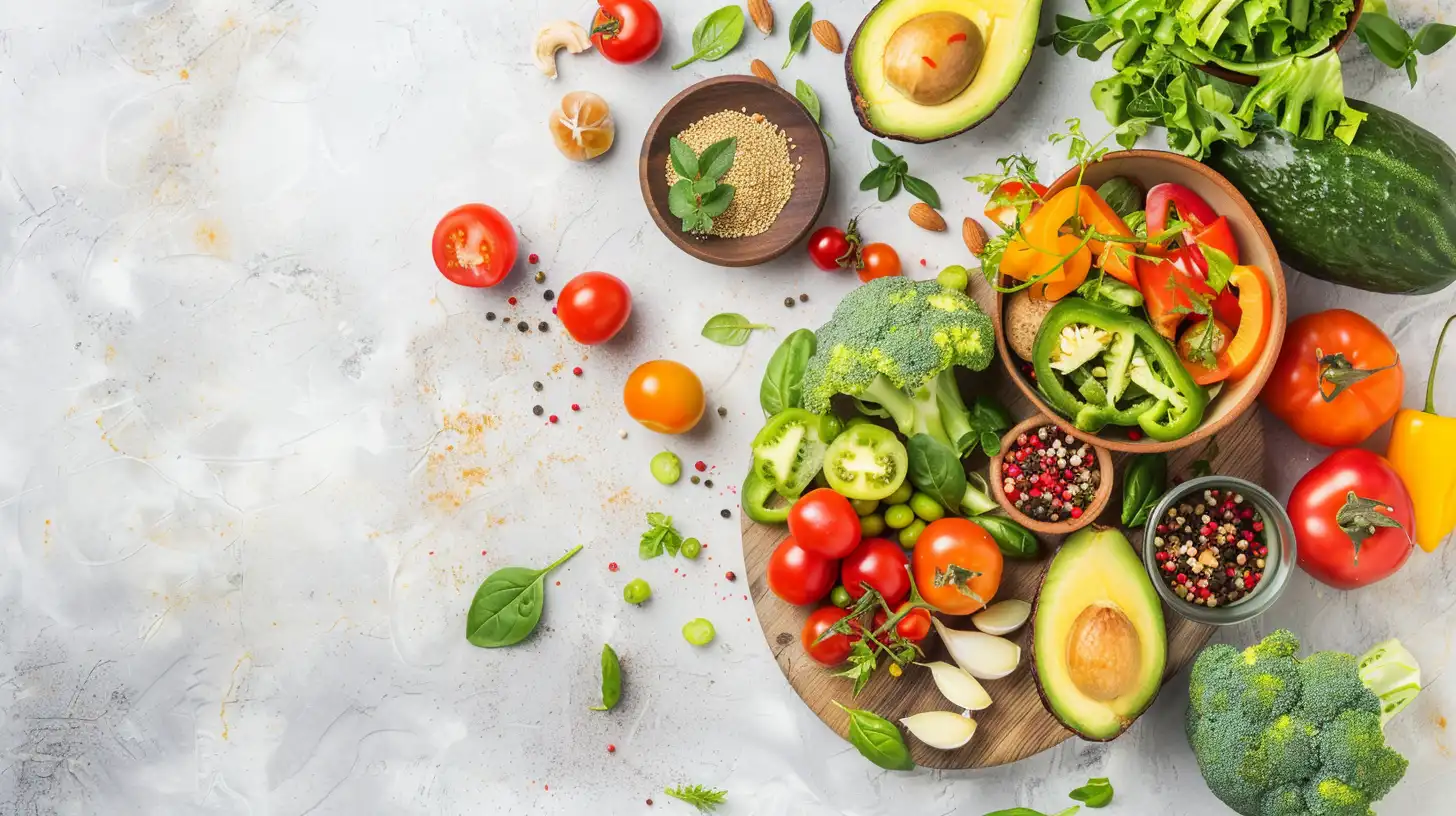
Combat insulin resistance with an Indian diet rich in whole grains and legumes. Enjoy hearty bowls of rajma, whole wheat rotis, and vegetable-loaded sambar.
Diet plan grocery list
Diet plan overview
Dealing with insulin resistance requires a strategic approach, and the Indian diet plan for insulin resistance focuses on balancing carbohydrates with proteins and healthy fats. Emphasis is placed on low-glycemic index foods like whole grains and lentils, which help control blood sugar levels.
Regular meals spaced throughout the day prevent sudden spikes in blood sugar. Including a variety of spices, such as cinnamon and fenugreek, which have been shown to improve insulin sensitivity, makes this diet both therapeutic and delicious.

Foods to eat
- Whole Grains: Brown rice, whole wheat, and millets which have a lower glycemic index.
- Legumes: Lentils, chickpeas, and beans that provide fiber and help in managing blood sugar levels.
- Leafy Greens: Spinach, kale, and mustard greens which are nutrient-dense and low in carbohydrates.
- Nuts and Seeds: Walnuts, flaxseeds, and chia seeds that are high in omega-3 fatty acids.
- Fruits: Apples, berries, and pears that have a lower impact on blood sugar levels.
Tip
Swap your regular chapati for one made with chickpea flour to help manage insulin resistance with an extra fiber boost.
Foods not to eat
- Refined Grains: White rice and white bread which can spike insulin levels.
- Sugary Snacks: Sweets, sugary drinks, and desserts that can disrupt glucose stability.
- Fried Foods: Deep fried snacks and fast food which are high in unhealthy fats.
- Full-Fat Dairy Products: Heavy cream and full-fat yogurt which can be high in saturated fats.
- High Glycemic Fruits: Mangoes, pineapples, and bananas which are high in sugar.
Main benefits
Revolutionize your metabolic health with the Indian diet plan for insulin resistance. This diet focuses on low-glycemic index foods that help maintain stable blood sugar levels, like whole grains, lentils, and leafy vegetables. It's particularly effective in boosting insulin sensitivity and may help reduce the risk of developing diabetes. Plus, the rich flavors of traditional spices ensure meals are not only healthful but also delightful to the palate.

How to budget on this diet plan
Managing insulin resistance through diet doesn't have to be expensive. Focus on whole, unprocessed foods like fruits, vegetables, lean proteins, and whole grains, which tend to be more affordable than their processed counterparts. Opt for high-fiber foods like beans, lentils, and oats to help stabilize blood sugar levels and save money on expensive insulin medications. Limit your intake of sugary drinks and snacks, which can not only be pricey but also exacerbate insulin resistance. And consider growing your own herbs and vegetables at home to save even more money and ensure a fresh supply of nutritious ingredients.
Meal plan suggestion
Day 1
- Breakfast: Greek yogurt with strawberries, blueberries, and a sprinkle of flaxseeds
- Lunch: Quinoa salad with bell peppers, tomatoes, onions, and a drizzle of olive oil
- Dinner: Grilled salmon with steamed broccoli and cauliflower, seasoned with garlic and turmeric
- Snack: Sliced apple with almond butter
Day 2
- Breakfast: Smoothie with spinach, kale, avocado, and a touch of coconut oil
- Lunch: Brown rice with lentils, cooked with ginger, garlic, and turmeric
- Dinner: Tofu stir-fry with bell peppers, onions, and broccoli, seasoned with soy sauce and ginger
- Snack: Handful of walnuts
Day 3
- Breakfast: Greek yogurt with blueberries, chia seeds, and a sprinkle of cinnamon
- Lunch: Chickpea salad with tomatoes, onions, and a drizzle of olive oil
- Dinner: Grilled chicken breast with steamed kale and cauliflower, seasoned with garlic and turmeric
- Snack: Sliced orange
Day 4
- Breakfast: Oatmeal with chia seeds, strawberries, and a dash of cinnamon
- Lunch: Quinoa with chickpeas, bell peppers, and a drizzle of olive oil
- Dinner: Baked turkey breast with roasted broccoli and cauliflower, seasoned with garlic and turmeric
- Snack: Sliced avocado with a sprinkle of flaxseeds
Day 5
- Breakfast: Smoothie with spinach, kale, blueberries, and a touch of coconut oil
- Lunch: Lentil soup with tomatoes, onions, garlic, and ginger
- Dinner: Grilled salmon with steamed broccoli and bell peppers, seasoned with turmeric and ginger
- Snack: Handful of almonds
Day 6
- Breakfast: Greek yogurt with strawberries, chia seeds, and a sprinkle of cinnamon
- Lunch: Brown rice with tofu, spinach, and a drizzle of olive oil
- Dinner: Grilled chicken breast with steamed broccoli and cauliflower, seasoned with garlic and turmeric
- Snack: Sliced apple with walnut butter
Day 7
- Breakfast: Smoothie with spinach, kale, strawberries, and a touch of coconut oil
- Lunch: Quinoa salad with chickpeas, tomatoes, onions, and a drizzle of olive oil
- Dinner: Baked turkey breast with roasted bell peppers and cauliflower, seasoned with garlic and turmeric
- Snack: Sliced orange with a handful of almonds
Want to learn more?
Keep in mind
Other diet plans
-

Carnivore diet plan for diabetics
This diet plan on the carnivore diet for diabetic individuals is quite low on carbs while approximating almost 100 percent in protein and fats. This helps to control blood sugar levels. Avoiding sugars and most of carbs can make it possible to have diabetes well under control. It is a radical but straightforward dietary intervention which should be done with supervision and guidance from health practitioners.
-

Carnivore diet plan for healthy eating
Healthy eating in the carnivore diet plan comprises a range of nutrient-dense sourced meats, such as organs and bone broths, which contain critical vitamins and minerals. It aims to eliminate inflammatory reactions, which are characteristic of some lifestyle diseases, and cut back the diet to essential nutrients. It may seem limiting, however, it facilitates looking deeper into the quality of every piece of meat cuisine.
-

Carnivore diet plan for beginners
The following carnivore beginner’s plan is especially intended for those who are new to the carnivore way of life. It begins by eating only meat instead of animal-based foods. Just after a few weeks or so, start introducing other types of food, such as fish, poultry, and organ meat. No complicated steps involved - learn the basics of meat preparation and accommodate a new food pattern.