
Indian diet plan for intermittent fasting
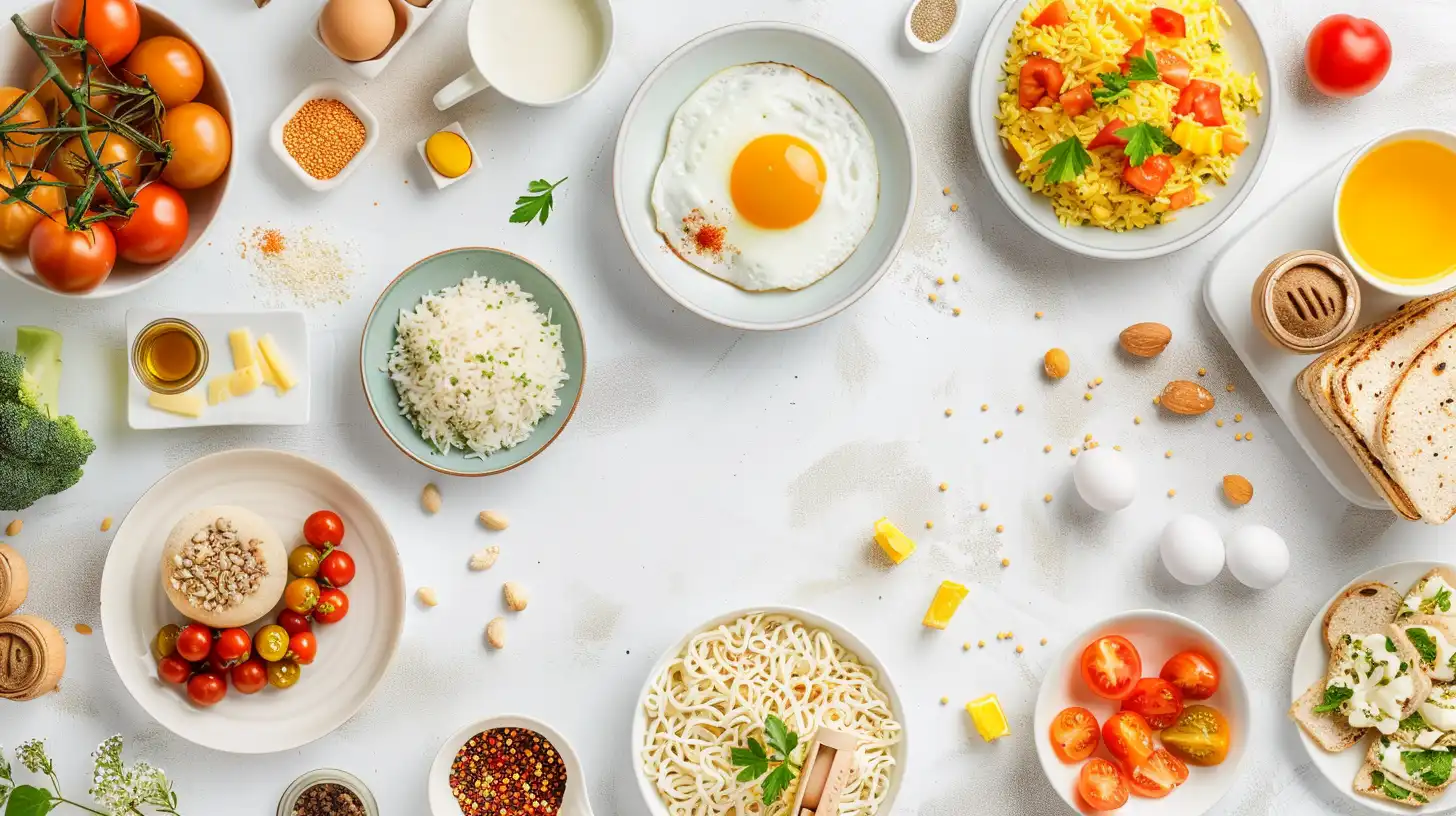
Adapt to intermittent fasting with an Indian twist. This plan adjusts traditional Indian meals into your fasting schedule, ensuring you get nutrient-packed foods during your eating windows that align with fasting protocols.
Diet plan grocery list
Diet plan overview
The indian diet plan for intermittent fasting combines traditional Indian eating habits with the popular practice of intermittent fasting. This plan cycles between periods of eating and fasting, focusing on nutrient-rich foods during eating windows to maximize health benefits.
Foods are chosen for their ability to sustain energy levels and suppress hunger during fasting periods, including complex carbs and high-fiber foods. This method can aid in weight management and improve metabolic health.
Foods to eat
- Complex Carbohydrates: Opt for whole grains like brown rice or oats which provide sustained energy release.
- Protein-Rich Foods: Include eggs, dairy products, and legumes to support muscle health during fasting periods.
- Healthy Fats: Avocados, nuts, seeds, and oils like olive oil to help with satiety and nutrient absorption.
- Hydrating Vegetables: Cucumbers, tomatoes, and bell peppers to stay hydrated and full of nutrients.
- Low-Sugar Fruits: Berries, apples, and pears for a quick, nutritious snack that won’t spike blood sugar levels.
Tip
Time your consumption of complex carbs like brown rice during your eating windows to maximize energy levels while intermittent fasting.
Foods not to eat
- Refined Sugars: Stay away from sugary desserts and candies which can cause energy spikes and crashes.
- Processed Carbs: Limit intake of white bread, pasta, and pastries which are not filling and are less nutritious.
- Fatty Meats: Avoid greasy cuts of meat which can be hard to digest and might disrupt your fasting period.
- High-Sodium Snacks: Cut down on chips, processed snacks, and fast foods that are high in salt and unhealthy fats.
- Alcoholic Beverages: Avoid alcohol as it can dehydrate and offer empty calories without nutrients.
Main benefits
The Indian diet plan for intermittent fasting leverages time-restricted eating with balanced, nutrient-dense meals that align well with traditional Indian cuisine. This diet includes fasting periods that help improve metabolic health and reduce inflammation. During eating windows, the focus on high-fiber foods like pulses and vegetables aids in prolonged satiety, helping to control calorie intake naturally. Moreover, the incorporation of turmeric and ginger in meals adds anti-inflammatory benefits, enhancing the fasting process.
How to budget on this diet plan
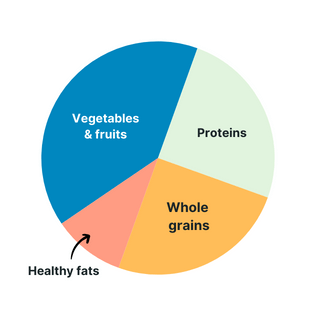
Intermittent fasting on an Indian diet can be both effective and budget-friendly with some thoughtful planning. Focus on nutrient-dense foods like fruits, vegetables, whole grains, and lean proteins during your eating window to maximize nutrition without overspending. Use spices and herbs to add flavor to your meals without relying on expensive sauces or condiments. Plan your meals ahead of time to avoid impulse purchases or expensive takeout options during your fasting period. And don't forget to stay hydrated by drinking water, herbal teas, or black coffee throughout the day to support your fasting goals while staying within your budget.
Meal plan suggestion
Day 1
- Breakfast: Poha with onions, tomatoes, and green chilies, served with a banana
- Lunch: Lentil curry with rice and spinach stir-fry
- Dinner: Grilled chicken with bell peppers and cauliflower, served with a cucumber salad
- Snack: Apple slices with a handful of almonds
Day 2
- Breakfast: Yogurt with diced apples and walnuts
- Lunch: Chickpea curry with whole wheat roti and a side of green beans
- Dinner: Fish curry with rice and steamed carrots
- Snack: Orange slices with a few walnuts
Day 3
- Breakfast: Spinach and paneer omelette
- Lunch: Chicken biryani with a side of cucumber and tomato salad
- Dinner: Tofu stir-fry with bell peppers, onions, and green beans, served with rice
- Snack: Banana with a handful of almonds
Day 4
- Breakfast: Whole wheat paratha with yogurt
- Lunch: Potato and spinach curry with whole wheat roti
- Dinner: Grilled fish with a side of steamed cauliflower and carrots
- Snack: Apple slices with a few walnuts
Day 5
- Breakfast: Oats porridge with milk, topped with banana slices
- Lunch: Dal makhani with rice and a side of cucumber salad
- Dinner: Chicken curry with whole wheat roti and steamed green beans
- Snack: Orange slices with a handful of almonds
Day 6
- Breakfast: Scrambled eggs with onions, tomatoes, and green chilies
- Lunch: Chole (chickpea curry) with rice and a side of spinach stir-fry
- Dinner: Paneer tikka with a side of bell pepper and onion salad
- Snack: Banana with a few walnuts
Day 7
- Breakfast: Smoothie with milk, banana, and almonds
- Lunch: Fish curry with rice and a side of cucumber and tomato salad
- Dinner: Vegetable stir-fry with tofu, bell peppers, onions, and green beans, served with whole wheat roti
- Snack: Apple slices with a handful of almonds
Want to learn more?
Keep in mind
Other diet plans
-

Carnivore diet plan for diabetics
This diet plan on the carnivore diet for diabetic individuals is quite low on carbs while approximating almost 100 percent in protein and fats. This helps to control blood sugar levels. Avoiding sugars and most of carbs can make it possible to have diabetes well under control. It is a radical but straightforward dietary intervention which should be done with supervision and guidance from health practitioners.
-

Carnivore diet plan for healthy eating
Healthy eating in the carnivore diet plan comprises a range of nutrient-dense sourced meats, such as organs and bone broths, which contain critical vitamins and minerals. It aims to eliminate inflammatory reactions, which are characteristic of some lifestyle diseases, and cut back the diet to essential nutrients. It may seem limiting, however, it facilitates looking deeper into the quality of every piece of meat cuisine.
-

Carnivore diet plan for beginners
The following carnivore beginner’s plan is especially intended for those who are new to the carnivore way of life. It begins by eating only meat instead of animal-based foods. Just after a few weeks or so, start introducing other types of food, such as fish, poultry, and organ meat. No complicated steps involved - learn the basics of meat preparation and accommodate a new food pattern.