
Indian diet plan for one person
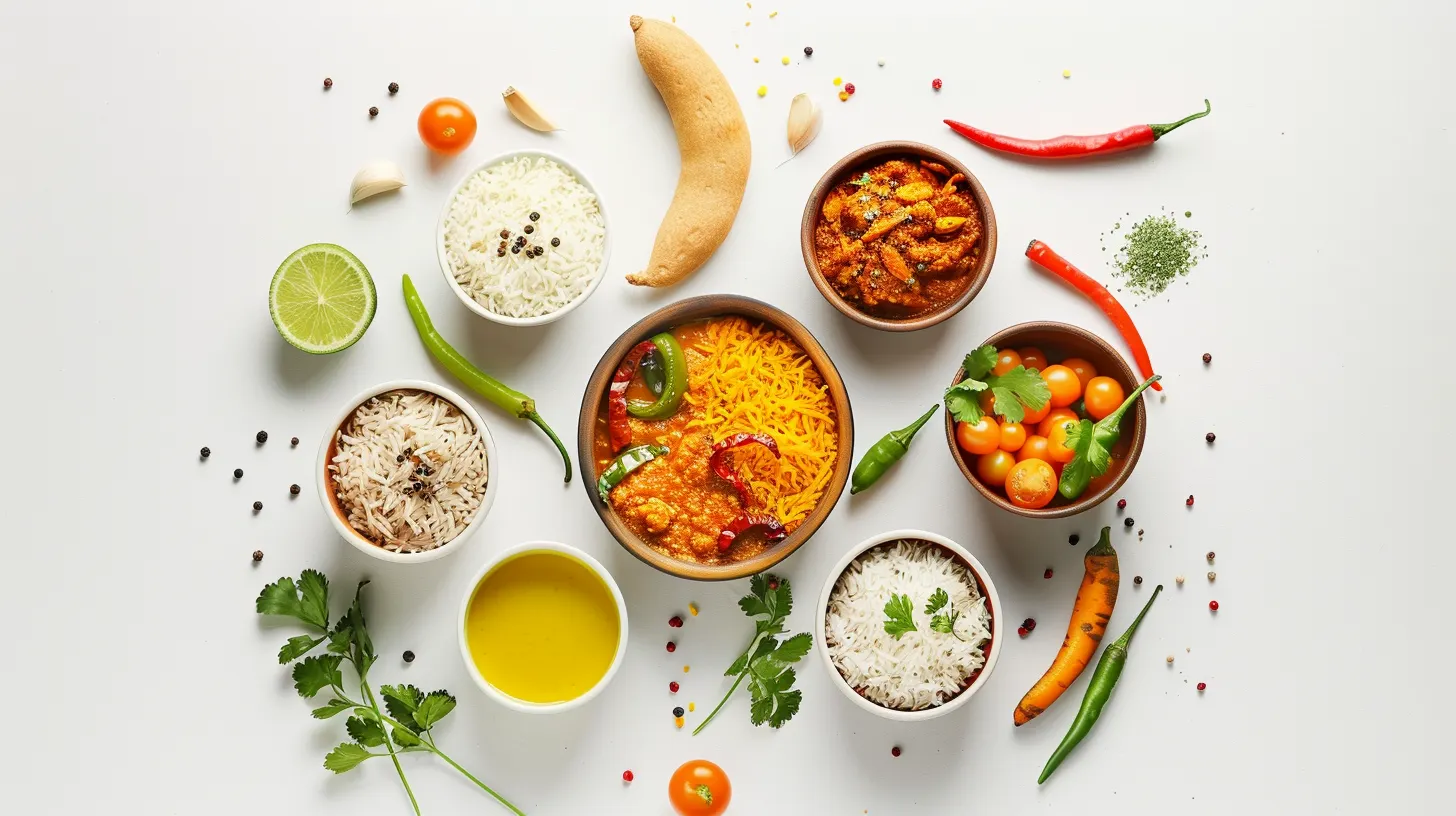
Cooking for one? An Indian diet plan can be both simple and satisfying with single-serve dishes like vegetable khichdi, curd rice, and quick stir-fried paneer.
Diet plan grocery list
Diet plan overview
An Indian diet plan for one person is all about simplicity and sustainability. It's designed to meet the nutritional needs of an individual without the hassle of complicated recipes. Meals typically include single-serve portions of rice or chapatis, dal, a vegetable curry, and yogurt.
Planning is key to this diet, ensuring you have a variety of foods throughout the week to keep meals interesting and nutritionally balanced. It's perfectly tailored for the solo diner who wants to eat healthy without too much fuss.
Foods to eat
- Single-Serve Meals: Portion-controlled curries, stir-fries, and dal to manage intake.
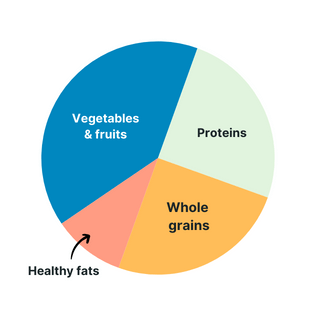
- Variety of Vegetables: Include a mix of different colored vegetables to ensure a range of nutrients.
- Lean Proteins: Chicken, fish, and paneer to provide necessary proteins without overeating.
- Whole Grains: Quinoa, millets, and brown rice for sustained energy release.
- Healthy Snacks: Nuts, seeds, and fruits to keep hunger at bay between meals.
Tip
If you're cooking for one, experiment with single-serving spice mixes to keep your dishes exciting without leftovers.
Foods not to eat
- Overeating: Avoid large meals that can lead to weight gain and digestive issues.
- High-Calorie Junk Foods: Chips, sodas, and fast foods are not suitable for maintaining health.
- Excessive Use of Oils: Use minimal oils and choose healthier options like olive or coconut oil.
- Skipping Meals: Regular meals help in maintaining metabolism and prevent overeating later.
- Limiting Variety: Eating a wide range of foods ensures all nutritional needs are met.
Main benefits
Tailored for simplicity and effectiveness, the Indian diet plan for one person is perfect for solo dwellers. This plan focuses on portion control and balanced meals, ensuring you get all the necessary nutrients without food wastage. It's incredibly cost-effective and eliminates the guesswork from meal prep, making healthy eating a straightforward part of your daily routine. Plus, the adaptability to personal taste preferences keeps meals exciting and varied.
How to budget on this diet plan
Cooking for one can be cost-effective with a few smart strategies. Buy in bulk and freeze individual portions of meat, poultry, and fish to minimize waste and save money in the long run. Utilize versatile ingredients like eggs, beans, and grains to create a variety of meals without breaking the bank. Plan your meals for the week ahead of time and make a shopping list to avoid impulse purchases and stick to your budget. And consider investing in kitchen gadgets like a slow cooker or instant pot to make cooking for one easier and more economical.
Meal plan suggestion
Day 1
- Breakfast: Spinach and paneer paratha with yogurt
- Lunch: Chicken curry with rice
- Dinner: Lentil soup with wheat flour roti
- Snack: Sliced mango
Day 2
- Breakfast: Banana and yogurt smoothie
- Lunch: Grilled salmon with cucumber and tomato salad
- Dinner: Chickpea curry with rice
- Snack: Apple slices with yogurt dip
Day 3
- Breakfast: Egg bhurji with wheat flour toast
- Lunch: Mixed vegetable curry (cauliflower, carrots, bell peppers) with rice
- Dinner: Chicken and spinach stir-fry with wheat flour roti
- Snack: Grapes
Day 4
- Breakfast: Mango lassi
- Lunch: Eggplant and potato curry with rice
- Dinner: Grilled chicken breast with green beans and carrots
- Snack: Sliced oranges
Day 5
- Breakfast: Vegetable omelette with spinach and bell peppers
- Lunch: Dal (lentil curry) with rice
- Dinner: Fish curry with wheat flour roti
- Snack: Cucumber slices with yogurt dip
Day 6
- Breakfast: Rice pudding with milk and bananas
- Lunch: Paneer and bell pepper stir-fry with rice
- Dinner: Chicken and cauliflower curry with wheat flour roti
- Snack: Apple slices
Day 7
- Breakfast: Carrot and ginger smoothie
- Lunch: Tomato and onion salad with grilled salmon
- Dinner: Chickpea and spinach curry with rice
- Snack: Sliced mango
Want to learn more?
Keep in mind
Other diet plans
-

Carnivore diet plan for diabetics
This diet plan on the carnivore diet for diabetic individuals is quite low on carbs while approximating almost 100 percent in protein and fats. This helps to control blood sugar levels. Avoiding sugars and most of carbs can make it possible to have diabetes well under control. It is a radical but straightforward dietary intervention which should be done with supervision and guidance from health practitioners.
-

Carnivore diet plan for healthy eating
Healthy eating in the carnivore diet plan comprises a range of nutrient-dense sourced meats, such as organs and bone broths, which contain critical vitamins and minerals. It aims to eliminate inflammatory reactions, which are characteristic of some lifestyle diseases, and cut back the diet to essential nutrients. It may seem limiting, however, it facilitates looking deeper into the quality of every piece of meat cuisine.
-

Carnivore diet plan for beginners
The following carnivore beginner’s plan is especially intended for those who are new to the carnivore way of life. It begins by eating only meat instead of animal-based foods. Just after a few weeks or so, start introducing other types of food, such as fish, poultry, and organ meat. No complicated steps involved - learn the basics of meat preparation and accommodate a new food pattern.