
Indian diet plan for raw food diet
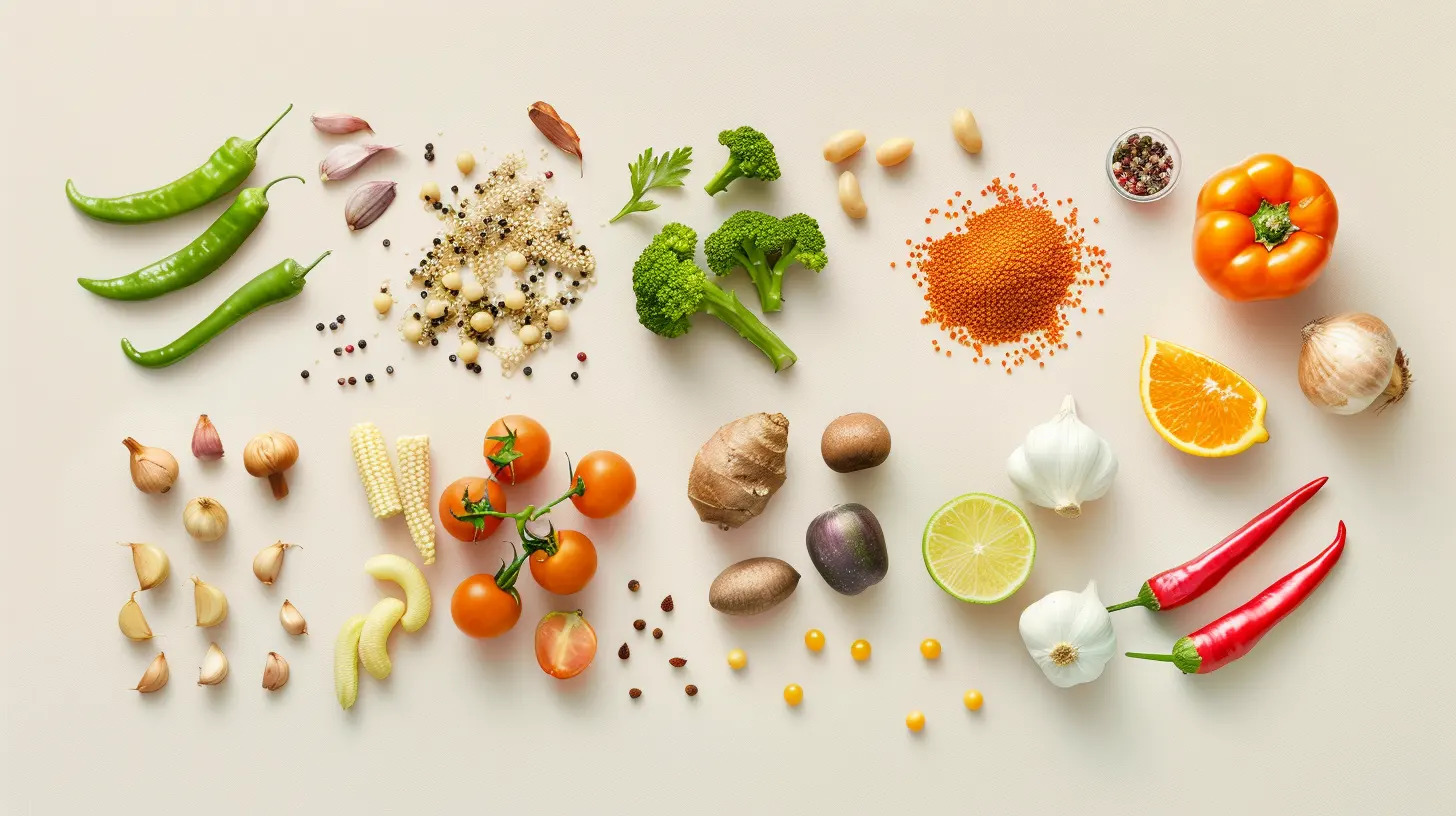
Embrace the freshness of a raw food diet with an Indian twist. Load up on raw mango salads, sprouted bean chaats, and cooling coconut water to stay hydrated and nourished.
Diet plan grocery list
Diet plan overview
An Indian diet plan for raw food diet emphasizes uncooked, unprocessed plant foods. Think vibrant salads, fresh fruits, sprouted grains, nuts, and seeds, all integral parts of this diet. The idea is to preserve the natural enzymes and nutrients that cooking might destroy.
This diet not only detoxifies the body but also leads to increased energy levels. It requires creativity in the kitchen, turning simple ingredients like spinach, carrots, and seasonal fruits into delicious, fulfilling meals.
Foods to eat
- Fresh Fruits: All types of fresh fruits, particularly mangoes, bananas, and papayas.
- Raw Vegetables: Cucumbers, carrots, and bell peppers are staples in a raw food regimen.
- Nuts and Seeds: Almonds, walnuts, and flaxseeds for healthy fats and proteins.
- Sprouts: Mung bean, alfalfa, and chickpea sprouts are nutritious and easy to digest.
- Herbs and Spices: Fresh herbs like cilantro and spices like turmeric to enhance flavors naturally.
Tip
When following a raw food diet, incorporate sprouted grains like moong dal to add a protein punch to your salads.
Foods not to eat
- Processed Foods: Anything cooked above 48°C (118°F) should be avoided.
- Refined Sugars: Substitute with natural sweeteners like dates or raw honey.
- Refined Grains: White rice and white flour are not permitted in a raw diet.
- Meat and Dairy: Exclude all animal products except for raw, non-pasteurized dairy if tolerated.
- Caffeine and Alcohol: These are processed and should be avoided in a raw food diet.
Main benefits
Unleash the power of uncooked and unprocessed foods with the Indian diet plan for raw food diet. Focusing on raw fruits, vegetables, nuts, and seeds, this diet maximizes nutrient intake by preserving enzymes and vitamins often lost in cooking. It's fantastic for boosting your immune system and enhancing skin health, thanks to the high antioxidant levels. Moreover, this diet can lead to improved digestion and quick detoxification effects, helping you feel light and energized.
How to budget on this diet plan
Eating raw on a budget is all about prioritizing certain foods and getting creative with your meals. Focus on affordable staples like bananas, apples, carrots, and leafy greens, which can serve as the foundation for many raw dishes. Buy in bulk when possible, especially for nuts, seeds, and dried fruits, which can be more cost-effective in larger quantities. Experiment with sprouting beans and seeds at home to add variety to your raw diet without spending extra money. And don't forget to check out local farmer's markets for deals on fresh, seasonal produce, it's often cheaper than the supermarket.
Meal plan suggestion
Day 1
- Breakfast: Smoothie with bananas, berries, and chia seeds
- Lunch: Salad with spinach, tomatoes, cucumbers, bell peppers, and lemon dressing
- Dinner: Zucchini noodles with avocado, garlic, and cherry tomatoes
- Snack: Sliced mango and almonds
Day 2
- Breakfast: Pineapple and orange fruit salad with flax seeds
- Lunch: Kale and carrot salad with ginger-lemon dressing
- Dinner: Cauliflower rice with broccoli, bell peppers, and garlic
- Snack: Dates and walnuts
Day 3
- Breakfast: Papaya and banana bowl with chia seeds
- Lunch: Spinach and avocado salad with cucumber and lemon dressing
- Dinner: Lettuce wraps with shredded carrots, beetroots, and ginger
- Snack: Sliced apples with almond slices
Day 4
- Breakfast: Mango and watermelon fruit salad with flax seeds
- Lunch: Mixed greens salad with radishes, onions, and lemon dressing
- Dinner: Zucchini and mushroom salad with garlic and ginger
- Snack: Orange slices and walnuts
Day 5
- Breakfast: Smoothie with spinach, pineapple, and chia seeds
- Lunch: Beetroot and carrot salad with lemon-ginger dressing
- Dinner: Broccoli and avocado salad with bell peppers and garlic
- Snack: Dates and almonds
Day 6
- Breakfast: Mixed berry and banana bowl with flax seeds
- Lunch: Lettuce and cucumber salad with tomatoes and lemon dressing
- Dinner: Spinach and kale salad with avocado and ginger
- Snack: Sliced mango and walnuts
Day 7
- Breakfast: Smoothie with apples, bananas, and chia seeds
- Lunch: Celery and green bean salad with bell peppers and lemon dressing
- Dinner: Cauliflower rice with zucchini, mushrooms, and garlic
- Snack: Pineapple slices and almonds
Want to learn more?
Keep in mind
Other diet plans
-

Carnivore diet plan for diabetics
This diet plan on the carnivore diet for diabetic individuals is quite low on carbs while approximating almost 100 percent in protein and fats. This helps to control blood sugar levels. Avoiding sugars and most of carbs can make it possible to have diabetes well under control. It is a radical but straightforward dietary intervention which should be done with supervision and guidance from health practitioners.
-

Carnivore diet plan for healthy eating
Healthy eating in the carnivore diet plan comprises a range of nutrient-dense sourced meats, such as organs and bone broths, which contain critical vitamins and minerals. It aims to eliminate inflammatory reactions, which are characteristic of some lifestyle diseases, and cut back the diet to essential nutrients. It may seem limiting, however, it facilitates looking deeper into the quality of every piece of meat cuisine.
-

Carnivore diet plan for beginners
The following carnivore beginner’s plan is especially intended for those who are new to the carnivore way of life. It begins by eating only meat instead of animal-based foods. Just after a few weeks or so, start introducing other types of food, such as fish, poultry, and organ meat. No complicated steps involved - learn the basics of meat preparation and accommodate a new food pattern.