
Indian diet plan for runners
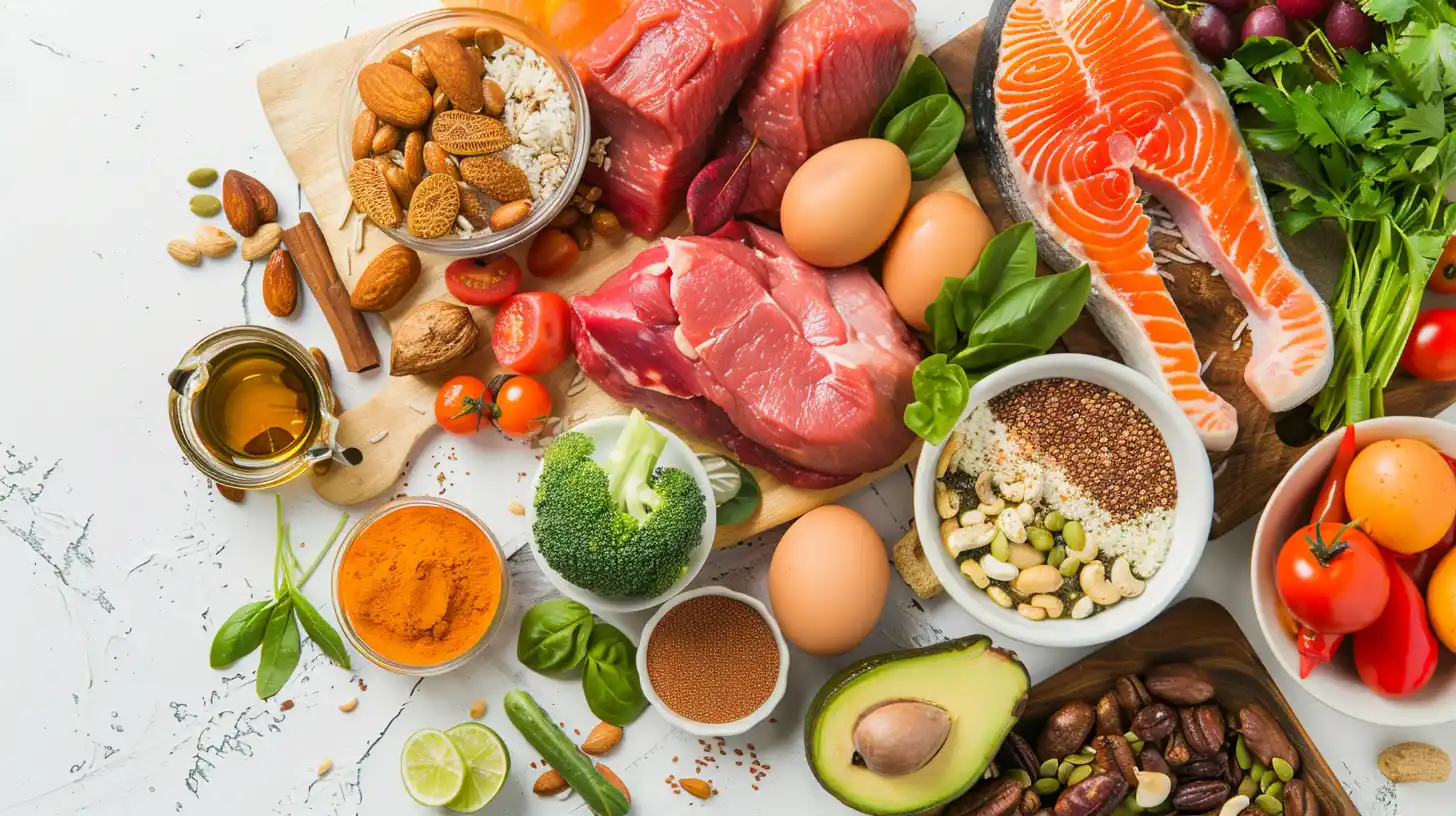
Fuel your runs with an energy-packed Indian diet. Carbs from dishes like dosas and poha, along with protein from lentil stews, will keep your energy levels steady.
Diet plan grocery list
Diet plan overview
The Indian diet plan for runners is crafted to fuel high-energy needs. It focuses on complex carbohydrates like whole grain rotis and rice, proteins from dal and paneer, and plenty of fresh fruits and vegetables to ensure a good supply of vitamins and minerals.
Hydration is also a key component, with an emphasis on electrolyte-rich drinks to replenish what's lost in sweat. It's designed to provide sustained energy and enhance recovery, crucial for long-distance runners.
Foods to eat
- Complex Carbohydrates: Sweet potatoes, oats, and whole grains for sustained energy.
- Lean Proteins: Grilled chicken, tofu, and legumes for muscle repair and recovery.
- Healthy Fats: Avocados, nuts, and seeds to maintain energy levels and support cell health.
- Electrolytes: Coconut water and bananas to replenish salts lost during running.
- Antioxidant-rich Foods: Berries, turmeric, and green tea to help reduce inflammation.
Tip
If you’re a runner, blending cooked beetroot into your post-run smoothie can boost stamina and reduce inflammation.
Foods not to eat
- Sugary Snacks: Avoid high sugar items that can cause energy spikes and crashes.
- Heavy Meals: Large portions that can be hard to digest before a run.
- Alcohol: Dehydrates the body and can negatively impact performance and recovery.
- Excessive Caffeine: May lead to dehydration and can disrupt sleep patterns.
- Deep Fried Foods: Can cause discomfort and slow down digestion, which is not ideal for runners.
Main benefits
Boost your endurance and performance with the Indian diet plan for runners. Tailored to meet the high energy demands of runners, this diet includes complex carbohydrates for sustained energy and lean proteins for muscle repair. Enhanced with spices that reduce inflammation and support recovery, it's perfect for optimizing athletic performance and post-run recovery.

How to budget on this diet plan
Fueling your runs on a budget is all about prioritizing the right foods. Opt for affordable sources of carbohydrates like rice, oats, and potatoes to provide sustained energy for your runs without breaking the bank. Incorporate inexpensive sources of protein like beans, lentils, and eggs to support muscle repair and recovery. Make your own energy bars and snacks at home using affordable ingredients like nuts, seeds, and dried fruits, this can save you money compared to buying pre-packaged options. And don't forget to stay hydrated by drinking water throughout the day, which is both budget-friendly and essential for optimal performance.
Meal plan suggestion
Day 1
- Breakfast: Oats with Greek yogurt, bananas, and blueberries
- Lunch: Brown rice with lentil curry, spinach, and tomatoes
- Dinner: Grilled chicken breast with quinoa, broccoli, and carrots
- Snack: Apple slices with almond butter
Day 2
- Breakfast: Whole wheat bread with avocado and a boiled egg
- Lunch: Chickpea salad with bell peppers, tomatoes, and spinach
- Dinner: Baked salmon with sweet potatoes and green beans
- Snack: Greek yogurt with walnuts and honey
Day 3
- Breakfast: Smoothie with spinach, banana, Greek yogurt, and flaxseeds
- Lunch: Quinoa salad with green peas, bell peppers, and cottage cheese
- Dinner: Stir-fried tofu with brown rice, broccoli, and carrots
- Snack: Orange slices with a handful of almonds
Day 4
- Breakfast: Oats with milk, honey, and blueberries
- Lunch: Lentil soup with whole wheat bread and a side of spinach salad
- Dinner: Grilled chicken breast with quinoa, green beans, and sweet potatoes
- Snack: Cottage cheese with sliced apples and walnuts
Day 5
- Breakfast: Greek yogurt with honey, bananas, and flaxseeds
- Lunch: Brown rice with chickpea curry, spinach, and tomatoes
- Dinner: Baked salmon with quinoa, broccoli, and carrots
- Snack: Apple slices with almond butter
Day 6
- Breakfast: Whole wheat bread with avocado and scrambled eggs
- Lunch: Quinoa salad with green peas, bell peppers, and cottage cheese
- Dinner: Grilled chicken breast with brown rice, broccoli, and sweet potatoes
- Snack: Greek yogurt with blueberries and walnuts
Day 7
- Breakfast: Smoothie with spinach, banana, Greek yogurt, and flaxseeds
- Lunch: Lentil curry with brown rice, spinach, and tomatoes
- Dinner: Stir-fried tofu with quinoa, green beans, and carrots
- Snack: Orange slices with a handful of almonds
Want to learn more?
Keep in mind
Other diet plans
-

Carnivore diet plan for diabetics
This diet plan on the carnivore diet for diabetic individuals is quite low on carbs while approximating almost 100 percent in protein and fats. This helps to control blood sugar levels. Avoiding sugars and most of carbs can make it possible to have diabetes well under control. It is a radical but straightforward dietary intervention which should be done with supervision and guidance from health practitioners.
-

Carnivore diet plan for healthy eating
Healthy eating in the carnivore diet plan comprises a range of nutrient-dense sourced meats, such as organs and bone broths, which contain critical vitamins and minerals. It aims to eliminate inflammatory reactions, which are characteristic of some lifestyle diseases, and cut back the diet to essential nutrients. It may seem limiting, however, it facilitates looking deeper into the quality of every piece of meat cuisine.
-

Carnivore diet plan for beginners
The following carnivore beginner’s plan is especially intended for those who are new to the carnivore way of life. It begins by eating only meat instead of animal-based foods. Just after a few weeks or so, start introducing other types of food, such as fish, poultry, and organ meat. No complicated steps involved - learn the basics of meat preparation and accommodate a new food pattern.