
Indian diet plan for type 2 diabetes
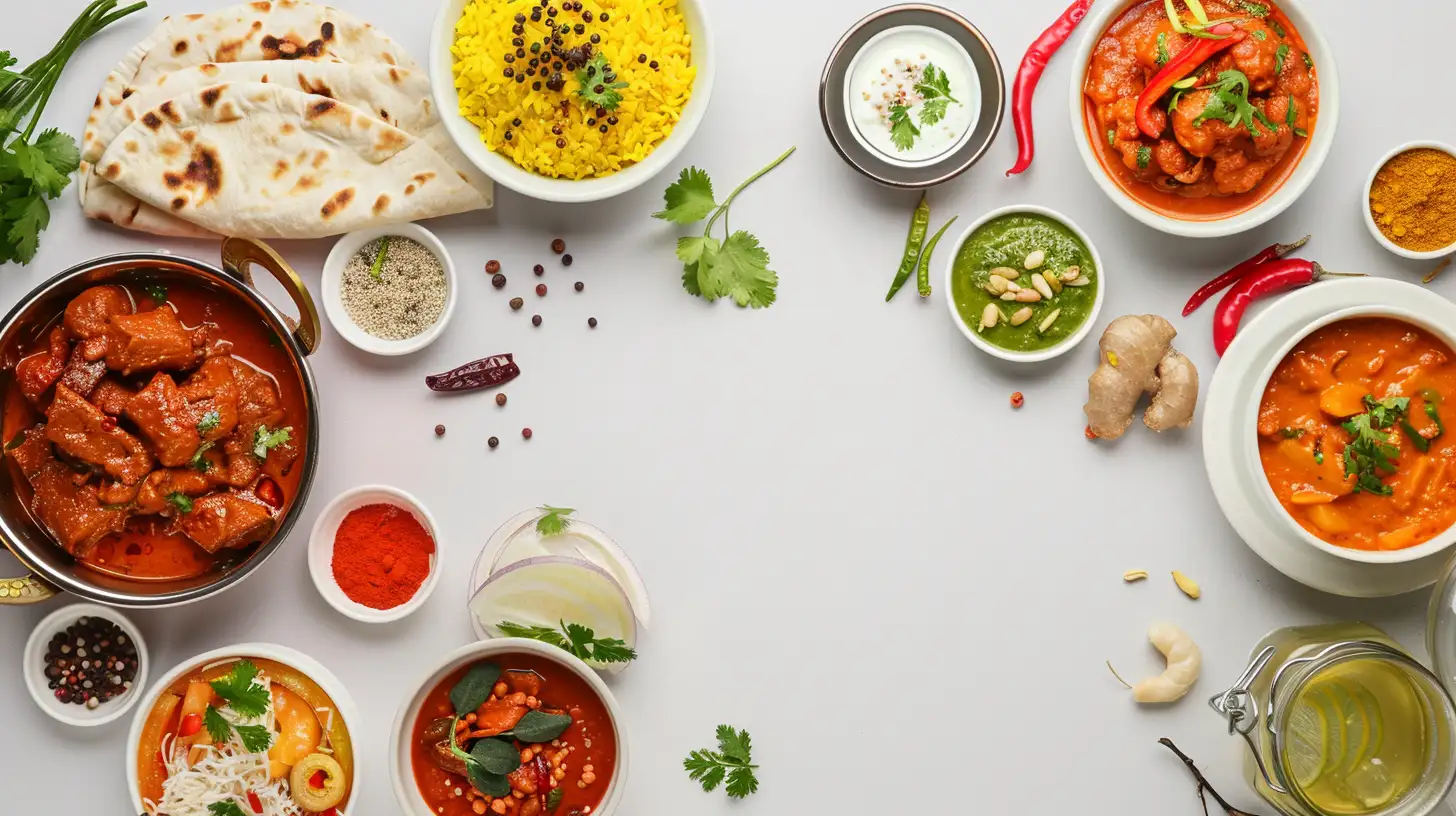
Manage type 2 diabetes with a specialized Indian diet plan. It focuses on low-glycemic index foods like whole grains and lentils, along with fiber-rich vegetables and controlled portions to help maintain stable blood sugar levels.
Diet plan grocery list
Diet plan overview
The indian diet plan for type 2 diabetes is carefully structured to help manage blood glucose levels through a balanced intake of low-glycemic index foods. It emphasizes whole grains, lean proteins, and fiber-rich fruits and vegetables to stabilize blood sugar.
Portion control and regular meal times are key components of this diet to prevent blood sugar spikes. Snacks like raw vegetables or nuts are recommended to maintain energy levels without causing glucose levels to rise sharply.
Foods to eat
- Whole Grains: Choose fiber-rich grains like barley, quinoa, and whole wheat to help manage blood sugar levels.
- Leafy Greens: Spinach, kale, and other dark leafy vegetables are low in calories and carbohydrates.
- Lean Protein: Incorporate chicken breast, fish, and plant-based proteins to maintain muscle mass and manage weight.
- Low-GI Fruits: Apples, berries, and pears, which have a lower glycemic index and help in managing blood sugar spikes.
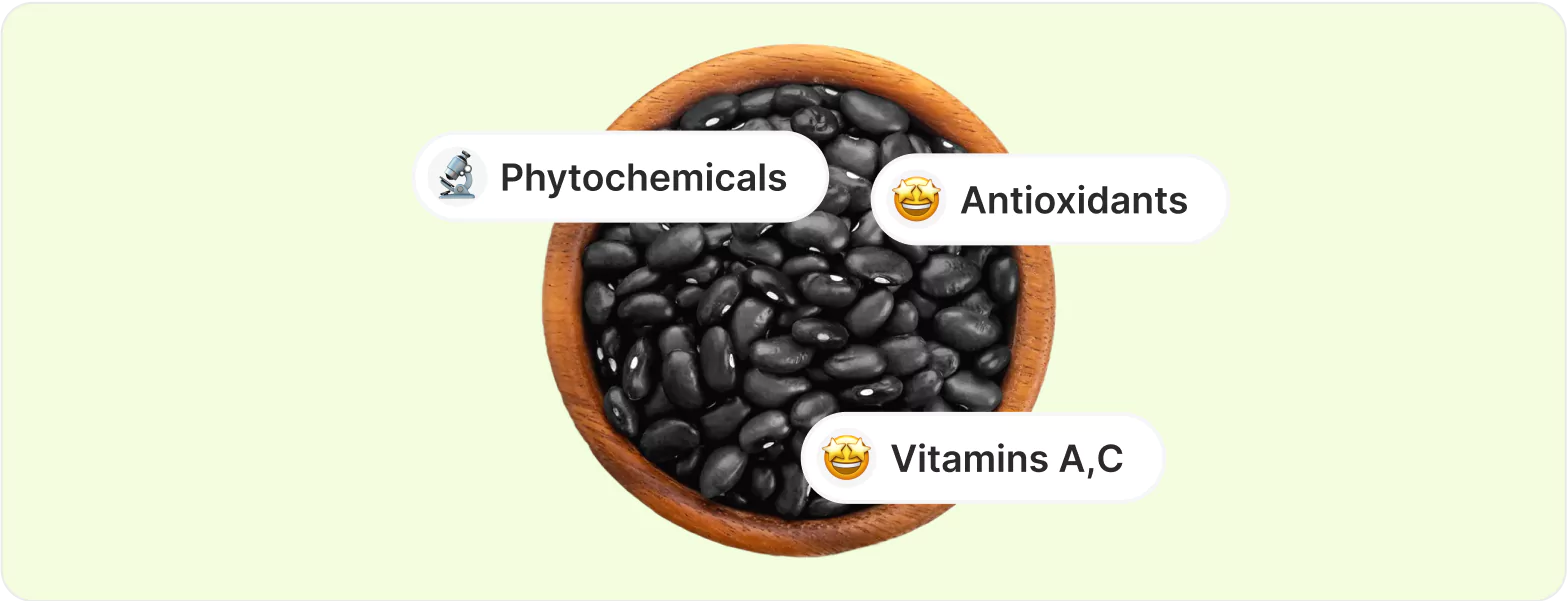
- Legumes: Beans, lentils, and chickpeas are great for fiber and protein, aiding in blood sugar regulation.
Tip
Manage your type 2 diabetes by incorporating bitter gourd (karela) in your meals, which naturally helps in regulating blood sugar levels.
Foods not to eat
- Refined Sugars: Avoid sweets, chocolates, and sugary drinks that can cause rapid increases in blood glucose.
- High-GI Foods: Stay away from white rice, bread, and other high-glycemic foods that can spike blood sugar levels.
- Fatty Cuts of Meat: Reduce intake of high-fat meats which can lead to weight gain and impact glucose metabolism.
- Fried Foods: Limit fried and greasy foods that are unhealthy and may affect blood sugar control.
- Full-Fat Dairy: Opt for low-fat versions to help manage calorie intake and blood sugar levels.
Main benefits
The Indian diet plan for type 2 diabetes focuses on low glycemic index foods to help manage blood sugar levels effectively. Meals are rich in fiber from whole grains and legumes, which slow down glucose absorption and improve glycemic control. The inclusion of bitter gourd and fenugreek seeds in the diet has been shown to have a beneficial effect on blood sugar regulation. Furthermore, the moderate use of healthy fats like mustard oil can aid in improving insulin sensitivity, essential for managing diabetes.
How to budget on this diet plan
Managing your diet for type 2 diabetes doesn't have to break the bank. Opt for seasonal and locally sourced fruits and vegetables to save money while ensuring freshness and nutritional value. Incorporate more plant-based proteins like lentils, chickpeas, and tofu into your meals, which are not only affordable but also rich in fiber and essential nutrients. Plan your meals ahead of time to avoid impulsive purchases and stick to your budget. Lastly, consider buying in bulk for pantry staples like whole grains, nuts, and seeds to save even more in the long run.
Meal plan suggestion
Day 1
- Breakfast: Oats with Greek yogurt, berries, and flaxseeds
- Lunch: Quinoa salad with chickpeas, bell peppers, tomatoes, and cucumber
- Dinner: Grilled salmon with steamed spinach and cauliflower
- Snack: Apple slices with almond butter
Day 2
- Breakfast: Whole wheat toast with avocado and a boiled egg
- Lunch: Brown rice with lentils, sautéed with onions, garlic, turmeric, and ginger
- Dinner: Tofu stir-fry with green beans, carrots, and bell peppers
- Snack: Greek yogurt with walnuts and cinnamon
Day 3
- Breakfast: Smoothie with Greek yogurt, spinach, berries, and flaxseeds
- Lunch: Chickpea and quinoa bowl with tomatoes, cucumbers, and onions
- Dinner: Grilled chicken breast with steamed broccoli and carrots
- Snack: Orange slices with a handful of almonds
Day 4
- Breakfast: Oats with Greek yogurt, apple slices, and cinnamon
- Lunch: Brown rice with tofu, spinach, and cauliflower curry
- Dinner: Baked salmon with green beans and bell peppers
- Snack: Cucumber and carrot sticks with Greek yogurt dip
Day 5
- Breakfast: Whole wheat flour pancakes with berries and Greek yogurt
- Lunch: Quinoa and lentil salad with tomatoes, cucumbers, and onions
- Dinner: Grilled chicken breast with sautéed spinach and cauliflower
- Snack: Avocado and almond slices
Day 6
- Breakfast: Smoothie with Greek yogurt, spinach, apple, and flaxseeds
- Lunch: Chickpea curry with brown rice, onions, garlic, and ginger
- Dinner: Tofu stir-fry with green beans, carrots, and bell peppers
- Snack: Greek yogurt with walnuts and cinnamon
Day 7
- Breakfast: Oats with Greek yogurt, orange slices, and flaxseeds
- Lunch: Brown rice with lentils, sautéed with onions, garlic, turmeric, and ginger
- Dinner: Baked salmon with steamed spinach and cauliflower
- Snack: Apple slices with almond butter
Want to learn more?
Keep in mind
Other diet plans
-

Carnivore diet plan for diabetics
This diet plan on the carnivore diet for diabetic individuals is quite low on carbs while approximating almost 100 percent in protein and fats. This helps to control blood sugar levels. Avoiding sugars and most of carbs can make it possible to have diabetes well under control. It is a radical but straightforward dietary intervention which should be done with supervision and guidance from health practitioners.
-

Carnivore diet plan for healthy eating
Healthy eating in the carnivore diet plan comprises a range of nutrient-dense sourced meats, such as organs and bone broths, which contain critical vitamins and minerals. It aims to eliminate inflammatory reactions, which are characteristic of some lifestyle diseases, and cut back the diet to essential nutrients. It may seem limiting, however, it facilitates looking deeper into the quality of every piece of meat cuisine.
-

Carnivore diet plan for beginners
The following carnivore beginner’s plan is especially intended for those who are new to the carnivore way of life. It begins by eating only meat instead of animal-based foods. Just after a few weeks or so, start introducing other types of food, such as fish, poultry, and organ meat. No complicated steps involved - learn the basics of meat preparation and accommodate a new food pattern.