
Indian meal plan for a pregnant woman
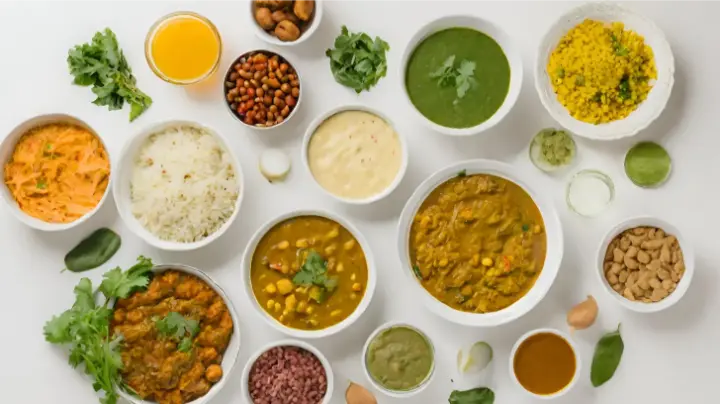
The Indian meal plan for a pregnant woman is rich in nutrients essential for pregnancy. It includes a variety of fruits, vegetables, whole grains, lean proteins, and dairy products, providing calcium, iron, folic acid, and other vital nutrients. Meals are well-balanced and cooked with mild spices to cater to the nutritional needs during pregnancy.
Meal plan grocery list
 Dry goods
 Fresh grocery
 Dairy & eggs
 Fish & seafood
 Bakery
 Plant based
Meal plan overview
The Indian meal plan for a pregnant woman blends the nutritional needs of pregnancy with the rich flavors of Indian cuisine. It focuses on ingredients that are high in iron, folic acid, and calcium, essential for the health of both mother and child.
This plan includes a variety of traditional Indian dishes, modified to be rich in nutrients and gentle on the palate, making it both healthful and enjoyable.
Foods to eat
- Whole Grains: Brown rice, whole wheat chapatis, and oatmeal for fiber and energy.
- Protein Sources: Lentils (dal), paneer (cottage cheese), and lean meats like chicken and fish for essential amino acids.
- Dairy: Milk and yogurt for calcium and protein.
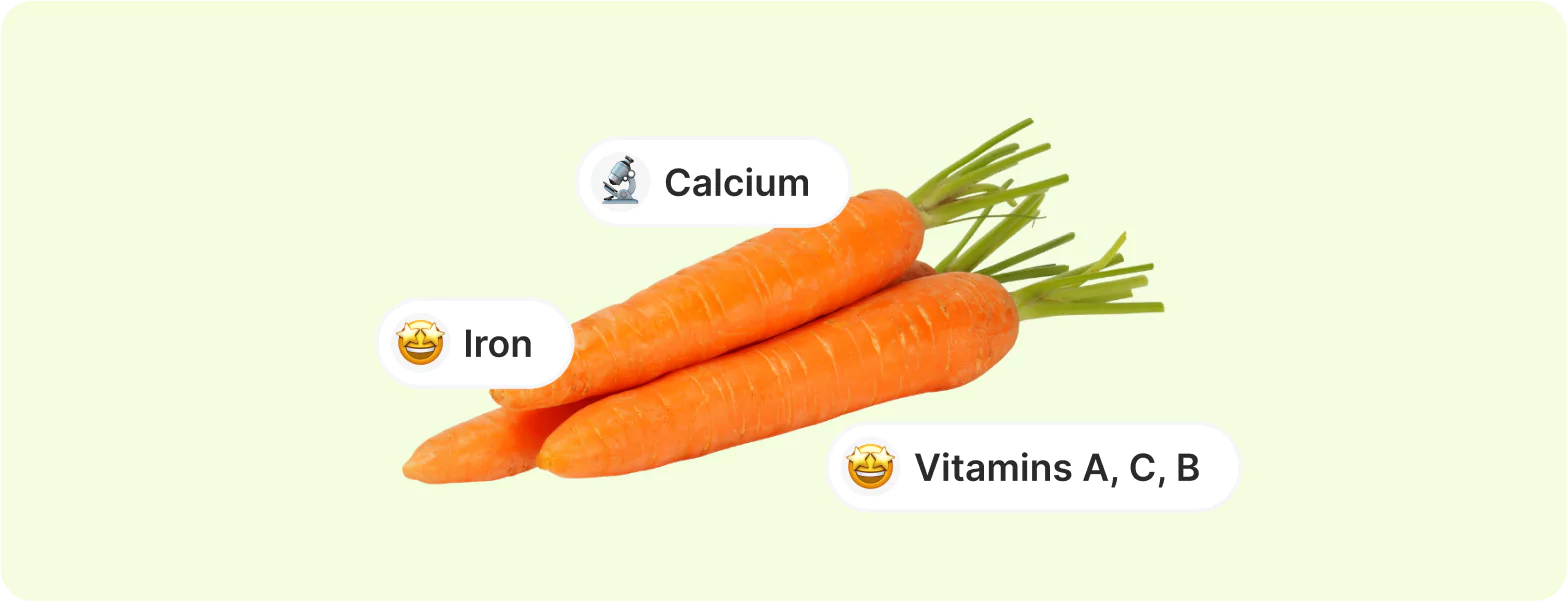
- Vegetables: A variety of colorful vegetables like carrots, spinach, and beetroot for vitamins and minerals.
- Fruits: Oranges, apples, and bananas for natural sweetness and essential nutrients.
- Nuts and Seeds: Almonds, walnuts, and flaxseeds for healthy fats and omega-3s.
- Healthy Fats: Ghee and olive oil in moderation for cooking.
- Hydration: Plenty of water, coconut water, and fresh fruit juices.
Tip
Include plenty of folate-rich foods like lentils, spinach, and broccoli to support healthy fetal development and prevent neural tube defects
Foods not to eat
- Unpasteurized Dairy: To avoid the risk of foodborne illnesses.
- High-Mercury Fish: Such as shark, swordfish, and king mackerel.
- Raw or Undercooked Foods: To prevent the risk of infections.
- Excessive Caffeine: Limit intake of coffee and tea.
- Processed and Junk Foods: High in unhealthy fats, sugars, and salts.
- Alcohol: Should be completely avoided during pregnancy.
- Excessive Spicy Foods: If they cause discomfort or heartburn.
- Sugary Sweets: To avoid excessive weight gain and blood sugar spikes.
Read more about key products


Main benefits
The Indian meal plan for a pregnant woman is rich in nutrients essential for pregnancy. It includes a variety of fruits, vegetables, whole grains, lean proteins, and dairy products, providing calcium, iron, folic acid, and other vital nutrients. Meals are well-balanced and cooked with mild spices to cater to the nutritional needs during pregnancy.
Recommended nutrient breakdown
- Protein: 15%
- Fat: 30%
- Carbs: 50%
- Fiber: 3%
- Other: 2%
How to budget on this meal plan
Focus on nutrient-rich foods like lentils, spinach, and cottage cheese, which can be bought in bulk. Fresh fruits and vegetables are essential; opt for seasonal produce to save costs. Whole grains like oats and brown rice are not only healthy but also more affordable when bought in larger quantities. Homemade snacks like hummus and parathas can be more economical and healthier than store-bought options.
Packed with vitamins, minerals, and antioxidants:


Extra tips
Any healthy snack ideas?
Nutrient-rich Indian snacks ideal for pregnant women:
- Whole wheat paratha with curd
- Mixed nuts and seeds trail mix
- Banana smoothie with almond milk
- Moong dal and spinach soup
- Mixed fruit bowl with ginger and lime dressing
- Paneer and vegetable stuffed paratha
- Lentil and vegetable khichdi
What should I drink on this meal plan?
Pregnant women following an Indian-style diet can enjoy coconut water for hydration and minerals, milk with a pinch of turmeric for its anti-inflammatory benefits, buttermilk for digestion, fresh fruit juices in moderation, and herbal teas like ginger tea for nausea relief.
How to get even more nutrients?
Nutrition during pregnancy is vital in an Indian context as well. Opt for iron-rich foods like dates and lotus seeds, which are also high in fiber. Protein is crucial, so include cottage cheese (paneer), pulses, and milk in your diet. DHA is important for fetal brain development, found in walnuts and seafood, providing healthy fats alongside.
Meal plan suggestion
Day 1
- Breakfast: Moong Dal Chilla (savory lentil pancakes) with mint chutney (calories: 250, protein: 10g, carbs: 30g, fat: 8g)
- Lunch: Palak Paneer (spinach and cottage cheese) with brown rice (calories: 400, protein: 20g, carbs: 50g, fat: 15g)
- Snack: Fresh fruit salad (calories: 150, protein: 2g, carbs: 35g, fat: 1g)
- Dinner: Grilled chicken tikka with a side of mixed vegetable salad (calories: 350, protein: 30g, carbs: 20g, fat: 10g)
Day 2
- Breakfast: Oats Idli with sambar (calories: 300, protein: 10g, carbs: 40g, fat: 10g)
- Lunch: Chana Masala (spiced chickpeas) with whole wheat roti (calories: 350, protein: 15g, carbs: 45g, fat: 10g)
- Snack: Yogurt with mixed nuts (calories: 200, protein: 10g, carbs: 20g, fat: 10g)
- Dinner: Paneer Bhurji (scrambled cottage cheese) with sautéed spinach (calories: 400, protein: 25g, carbs: 20g, fat: 20g)
Day 3
- Breakfast: Poha (flattened rice with vegetables) (calories: 250, protein: 5g, carbs: 40g, fat: 5g)
- Lunch: Mixed vegetable curry with brown rice (calories: 350, protein: 10g, carbs: 55g, fat: 10g)
- Snack: Cucumber and carrot sticks with hummus (calories: 150, protein: 6g, carbs: 15g, fat: 8g)
- Dinner: Dal Tadka (lentil curry) with basmati rice (calories: 400, protein: 20g, carbs: 60g, fat: 10g)
Day 4
- Breakfast: Besan (gram flour) cheela with mint chutney (calories: 300, protein: 15g, carbs: 25g, fat: 15g)
- Lunch: Baingan Bharta (eggplant mash) with whole wheat roti (calories: 350, protein: 8g, carbs: 40g, fat: 15g)
- Snack: A handful of roasted chana (chickpeas) (calories: 100, protein: 5g, carbs: 20g, fat: 2g)
- Dinner: Vegetable biryani with cucumber raita (calories: 400, protein: 10g, carbs: 55g, fat: 12g)
Day 5
- Breakfast: Whole wheat paratha with yogurt (calories: 350, protein: 12g, carbs: 40g, fat: 15g)
- Lunch: Rajma (kidney beans) with steamed rice (calories: 400, protein: 20g, carbs: 60g, fat: 10g)
- Snack: Fresh fruit smoothie (calories: 200, protein: 4g, carbs: 30g, fat: 5g)
- Dinner: Mix vegetable curry with quinoa (calories: 350, protein: 12g, carbs: 45g, fat: 10g)
Day 6
- Breakfast: Semolina (Suji) upma with vegetables (calories: 300, protein: 6g, carbs: 50g, fat: 8g)
- Lunch: Kadhi Pakora (yogurt-based curry with gram flour fritters) with brown rice (calories: 350, protein: 10g, carbs: 55g, fat: 10g)
- Snack: Sliced apple with a small portion of peanut butter (calories: 150, protein: 4g, carbs: 20g, fat: 8g)
- Dinner: Fish curry with whole wheat roti (calories: 400, protein: 30g, carbs: 30g, fat: 15g)
Day 7
- Breakfast: Multigrain toast with avocado (calories: 250, protein: 6g, carbs: 30g, fat: 12g)
- Lunch: Vegetable pulao with mint raita (calories: 400, protein: 8g, carbs: 60g, fat: 10g)
- Snack: Guava or an orange (calories: 100, protein: 2g, carbs: 20g, fat: 0g)
- Dinner: Chicken shawarma wrap (calories: 350, protein: 25g, carbs: 35g, fat: 10g)
Want to learn more?
Keep in mind
Other meal plans
-

7-day Meal Plan For Mediterranean Diet
Embarking on a Mediterranean journey? You're in for a treat! Discover the secrets of a 7-day Mediterranean diet meal plan and how it can invigorate your health. This article will guide you through a flavorful world of nutritious foods and show you how to turn these meals into an efficient shopping list. Let's set sail!
-

7-day Meal Plan For Weight Loss
Ready to kickstart your weight loss journey? A 7-day meal plan tailored for weight loss could be your golden ticket. In this article, we'll explore how to craft a weight loss meal plan that's both delicious and effective for shedding pounds, plus tips on transforming it into a smart shopping list. Time to get excited about your health goals!
-

7-day Meal Plan For Diabetics
Managing diabetes with diet doesn't have to be daunting. Learn how a 7-day meal plan can help control your blood sugar and improve overall health. We'll guide you through creating diabetic-friendly meals and turning them into a simple shopping list. Let's make healthy eating a breeze!