
Italian diet plan for free
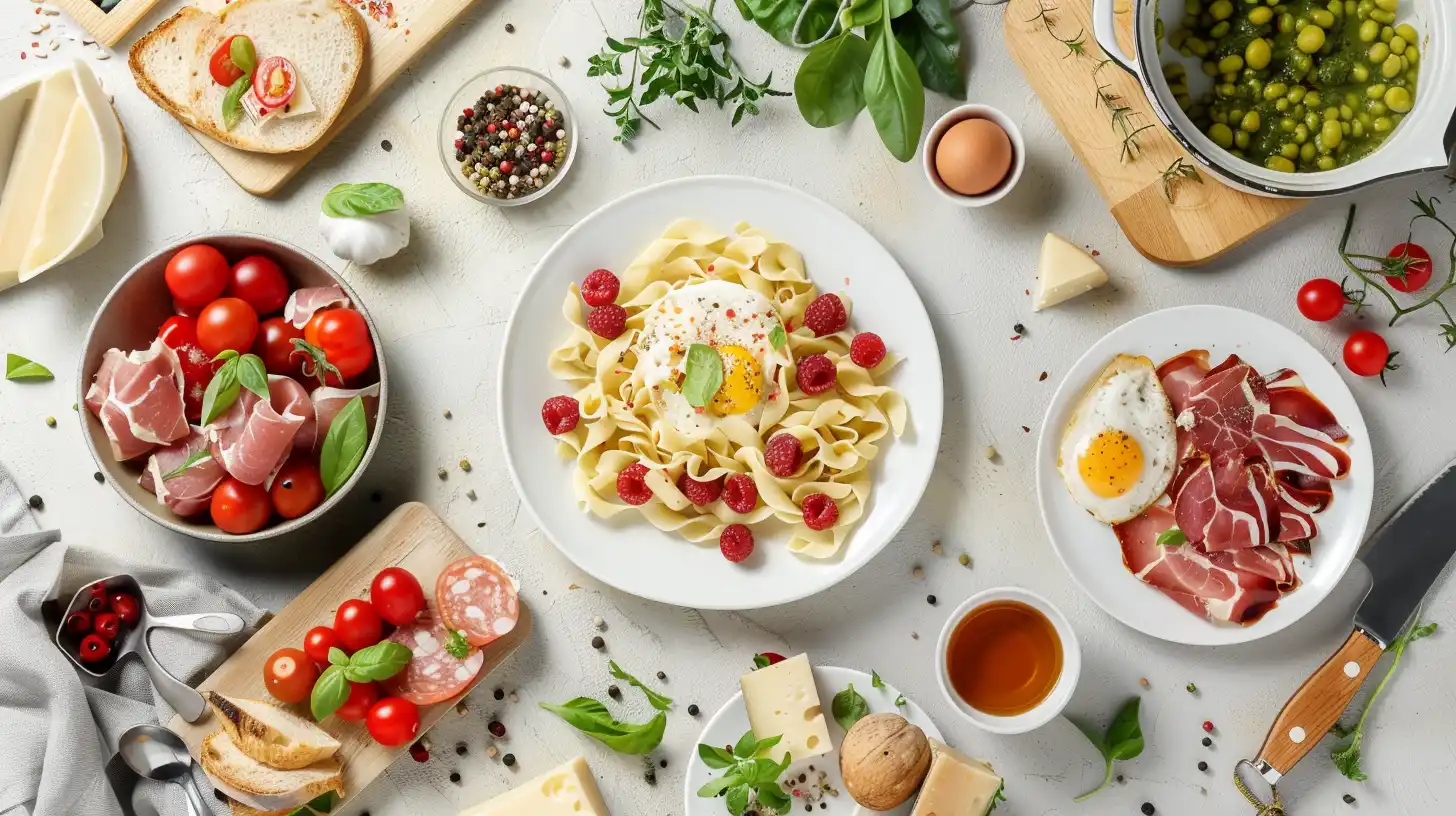
Explore the balanced and heart-healthy approach of the Italian diet. With a focus on vegetables, whole grains, olive oil, and moderate wine, this diet is about enjoying meals without the guilt. It’s a sustainable way of eating that benefits both palate and heart.
Diet plan grocery list
Diet plan overview
Diving into the world of Italian cuisine, the italian diet plan is perfect for those who want to enjoy hearty, flavorful meals while maintaining a balanced diet. This plan centers around Mediterranean staples like olive oil, fresh fish, and a variety of fruits and vegetables, ensuring each meal is as nutritious as it is delicious. Pasta dishes are portion-controlled and often paired with vibrant vegetable sauces and lean proteins.
Beyond just satisfying your taste buds, this diet promotes heart health and longevity, attributes commonly associated with the Mediterranean lifestyle. Regular meals include whole grains and seeds, with red wine in moderation, enhancing both the flavor and the health benefits of your diet.

Foods to eat
- Olive Oil: A staple in Italian cooking, rich in healthy fats and antioxidants.
- Legumes: Lentils and chickpeas as sources of protein and fiber.
- Whole Grains: Farro, barley, and whole wheat pasta to provide sustained energy.
- Seafood: Regular intake of fish like salmon and sardines, rich in omega-3 fatty acids.
- Fresh Vegetables and Fruits: A large variety of seasonal produce, including tomatoes, leafy greens, and citrus fruits.
Tip
Explore the diverse flavors of Italian cuisine by trying a new regional dish each week, it’s a delicious learning curve.
Foods not to eat
- Processed Meats: Limit items like salami or pepperoni, high in saturated fats and sodium.
- Sugary Desserts: Minimize consumption of sweets like gelato and tiramisu.
- Refined Grains: Reduce intake of white bread and non-whole grain pastas.
- Heavy Dairy: Avoid regular use of creams and high-fat cheeses.
- Fried Foods: Cut down on fried appetizers and snacks, which are high in unhealthy fats.
Main benefits
The Italian diet plan whisks you away to a culinary paradise where the freshness of ingredients isn't just a preference but a principle. One fascinating benefit is its implicit encouragement for communal eating, which research suggests can boost psychological well-being and prolong life expectancy. Moreover, adhering to this plan tends to naturally control your calorie intake without the need for meticulous counting, thanks to its emphasis on whole foods and lean proteins. Plus, the Italian diet plan is your ticket to enjoying antioxidants aplenty from its rich use of herbs and tomatoes, supporting everything from heart health to skin clarity.
How to budget on this diet plan
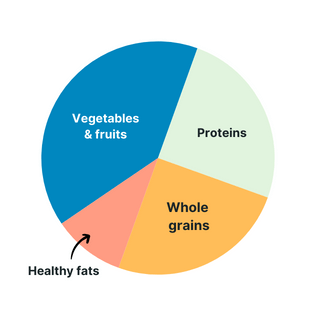
Embrace the basics of the Italian diet like pasta, rice, and seasonal vegetables which are usually inexpensive. Making large batches of soups and stews can save money and extend the use of your ingredients. Opt for less expensive fish, such as sardines or mackerel, which are still rich in omega-3s. Use legumes as a cheap, protein-rich alternative to meat a few times a week. Grow your own herbs like basil and oregano to add flavor without cost.
Meal plan suggestion
Day 1
- Breakfast: Ricotta cheese with figs and honey
- Lunch: Caprese salad with tomatoes, mozzarella, basil, and balsamic vinegar
- Dinner: Grilled chicken breast with roasted bell peppers, zucchini, and eggplant
- Snack: Apple slices with parmesan cheese
Day 2
- Breakfast: Omelette with spinach and mushrooms
- Lunch: Risotto with mushrooms and parmesan cheese
- Dinner: Baked salmon with garlic, lemon, and a side of sautéed spinach
- Snack: Grapes and a few black olives
Day 3
- Breakfast: Greek yogurt with figs and pine nuts
- Lunch: Pasta with anchovies, capers, olives, and tomatoes
- Dinner: Prosciutto-wrapped chicken breast with a side of arugula salad
- Snack: Orange slices and ricotta cheese
Day 4
- Breakfast: Scrambled eggs with arugula and parmesan cheese
- Lunch: Polenta with sautéed mushrooms and spinach
- Dinner: Stuffed bell peppers with cannellini beans, tomatoes, and mozzarella cheese
- Snack: Apple slices with a drizzle of balsamic vinegar
Day 5
- Breakfast: Ricotta cheese with lemon zest and honey
- Lunch: Grilled eggplant and zucchini salad with garlic and olive oil
- Dinner: Lemon and garlic baked salmon with a side of roasted artichokes
- Snack: Grapes and parmesan cheese
Day 6
- Breakfast: Spinach and mushroom frittata
- Lunch: Chicken breast with a side of cannellini bean and arugula salad
- Dinner: Pasta with tomatoes, basil, and mozzarella cheese
- Snack: Orange slices with a few black olives
Day 7
- Breakfast: Omelette with bell peppers and onions
- Lunch: Prosciutto and melon (substitute melon with figs) with a side of arugula salad
- Dinner: Grilled chicken breast with a side of sautéed spinach and mushrooms
- Snack: Apple slices with ricotta cheese
Want to learn more?
Keep in mind
Other diet plans
-

Carnivore diet plan for diabetics
This diet plan on the carnivore diet for diabetic individuals is quite low on carbs while approximating almost 100 percent in protein and fats. This helps to control blood sugar levels. Avoiding sugars and most of carbs can make it possible to have diabetes well under control. It is a radical but straightforward dietary intervention which should be done with supervision and guidance from health practitioners.
-

Carnivore diet plan for healthy eating
Healthy eating in the carnivore diet plan comprises a range of nutrient-dense sourced meats, such as organs and bone broths, which contain critical vitamins and minerals. It aims to eliminate inflammatory reactions, which are characteristic of some lifestyle diseases, and cut back the diet to essential nutrients. It may seem limiting, however, it facilitates looking deeper into the quality of every piece of meat cuisine.
-

Carnivore diet plan for beginners
The following carnivore beginner’s plan is especially intended for those who are new to the carnivore way of life. It begins by eating only meat instead of animal-based foods. Just after a few weeks or so, start introducing other types of food, such as fish, poultry, and organ meat. No complicated steps involved - learn the basics of meat preparation and accommodate a new food pattern.