
Italian diet plan for intermittent fasting
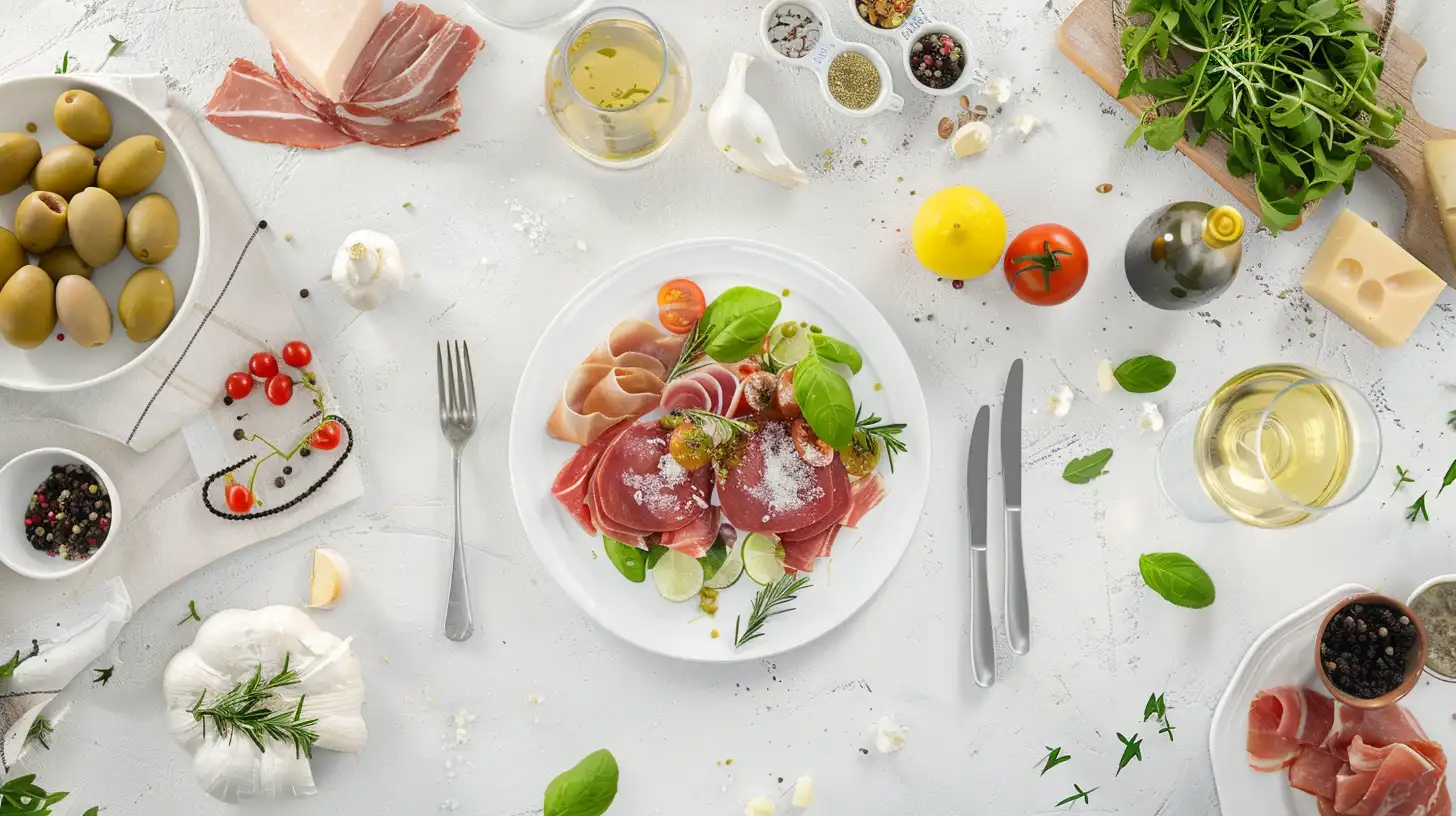
Adapt the timeless Italian cuisine to fit an intermittent fasting schedule. This plan organizes traditional dishes into your eating windows, ensuring you get a balanced intake of carbs, proteins, and fats while adhering to your fasting routine.
Diet plan grocery list
Diet plan overview
The italian diet plan for intermittent fasting marries the popular health trend with classic Italian flavors. It’s structured around the timing of meals rather than dietary restrictions, focusing on a balanced intake during eating windows. This includes nutrient-rich foods such as whole grains, lean meats, and plenty of vegetables, all cooked in heart-healthy olive oil.
The flexibility of this plan allows for enjoying a variety of dishes without feeling restricted. Whether it's a hearty minestrone soup or a simple Caprese salad, the focus is on freshness and quality, aligning with both weight management goals and a love for Italian cuisine.
Foods to eat
- High-Fiber Foods: Legumes, whole grains, and vegetables to keep you full longer.
- Lean Proteins: Chicken, turkey, and fish to support muscle maintenance without excess calories.
- Nuts and Seeds: Healthy fats and proteins to sustain energy levels.
- Low-Sugar Fruits: Berries and apples for a natural source of vitamins without spiking blood sugar.
- Ample Hydration: Water and herbal teas to maintain hydration, especially during fasting periods.
Tip
Align your eating windows with traditional Italian meal times when practicing intermittent fasting for a seamless routine.
Foods not to eat
- High-Sugar Foods: Avoid candies and desserts that can cause rapid blood sugar spikes.
- Heavy Meals: Skip large, heavy meals that can be hard to digest and might disrupt fasting periods.
- Excessive Caffeine: Limit coffee and energy drinks which might disrupt sleep patterns.
- Alcohol: Avoid alcohol as it can be dehydrating and calorically dense.
- Refined Carbs: Reduce intake of white bread and other refined carbohydrates.
Main benefits
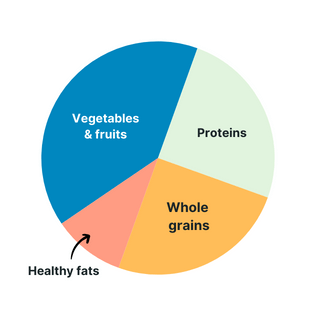
The Italian diet plan for intermittent fasting integrates seamlessly with time-restricted eating by emphasizing nutrient-dense meals that sustain energy and satiety. This diet is rich in fibers from whole grains and legumes, which help regulate digestion and prolong the feeling of fullness. Healthy fats from olive oil and nuts provide slow-burning energy that is ideal during fasting periods. The moderate portions typical of Italian cuisine prevent overeating post-fast, aiding in weight control and metabolic health.
How to budget on this diet plan
If you're intermittent fasting with an Italian twist, concentrate on filling foods like beans and whole grains that are also light on the wallet. Plan your eating windows around simpler, home-cooked meals which are cheaper than processed options. Invest in a good quality olive oil; a little goes a long way in terms of both flavor and satiety. Keep your hydration up with water and homemade herbal teas instead of store-bought beverages. Batch cooking on your non-fasting days can save time and money.
Meal plan suggestion
Day 1
- Breakfast: Whole wheat bread with scrambled eggs and sautéed spinach
- Lunch: Grilled chicken breast with arugula and tomato salad, drizzled with olive oil and balsamic vinegar
- Dinner: Baked salmon with zucchini and lemon
- Snack: Strawberries with a piece of dark chocolate
Day 2
- Breakfast: Smoothie with strawberries, raspberries, and a splash of orange juice
- Lunch: Whole wheat pasta with basil, tomatoes, and mozzarella
- Dinner: Grilled eggplant with prosciutto and a side of cannellini beans
- Snack: Apple slices with Parmesan cheese
Day 3
- Breakfast: Omelette with bell peppers, onions, and pancetta
- Lunch: Tuna salad with arugula, tomatoes, and a lemon olive oil dressing
- Dinner: Baked chicken breast with roasted zucchini and chickpeas
- Snack: Breadsticks with olive oil and balsamic vinegar
Day 4
- Breakfast: Whole wheat bread with mozzarella, tomatoes, and basil
- Lunch: Lentil soup with spinach and garlic
- Dinner: Grilled salmon with spinach and a side of Arborio rice
- Snack: Orange slices with a piece of dark chocolate
Day 5
- Breakfast: Smoothie with strawberries, raspberries, and a splash of lemon juice
- Lunch: Whole wheat pasta with zucchini, basil, and Parmesan cheese
- Dinner: Baked eggplant with chickpeas and a tomato sauce
- Snack: Apple slices with a piece of dark chocolate
Day 6
- Breakfast: Omelette with spinach, garlic, and mozzarella
- Lunch: Grilled chicken breast with a mixed salad of arugula, bell peppers, and tomatoes
- Dinner: Baked salmon with roasted bell peppers and a side of lentils
- Snack: Raspberries with a piece of dark chocolate
Day 7
- Breakfast: Whole wheat bread with scrambled eggs and tomatoes
- Lunch: Tuna salad with spinach, arugula, and a lemon olive oil dressing
- Dinner: Grilled chicken breast with zucchini and a side of cannellini beans
- Snack: Strawberries with a piece of dark chocolate
Want to learn more?
Keep in mind
Other diet plans
-

Carnivore diet plan for diabetics
This diet plan on the carnivore diet for diabetic individuals is quite low on carbs while approximating almost 100 percent in protein and fats. This helps to control blood sugar levels. Avoiding sugars and most of carbs can make it possible to have diabetes well under control. It is a radical but straightforward dietary intervention which should be done with supervision and guidance from health practitioners.
-

Carnivore diet plan for healthy eating
Healthy eating in the carnivore diet plan comprises a range of nutrient-dense sourced meats, such as organs and bone broths, which contain critical vitamins and minerals. It aims to eliminate inflammatory reactions, which are characteristic of some lifestyle diseases, and cut back the diet to essential nutrients. It may seem limiting, however, it facilitates looking deeper into the quality of every piece of meat cuisine.
-

Carnivore diet plan for beginners
The following carnivore beginner’s plan is especially intended for those who are new to the carnivore way of life. It begins by eating only meat instead of animal-based foods. Just after a few weeks or so, start introducing other types of food, such as fish, poultry, and organ meat. No complicated steps involved - learn the basics of meat preparation and accommodate a new food pattern.