
Italian diet plan for picky eaters
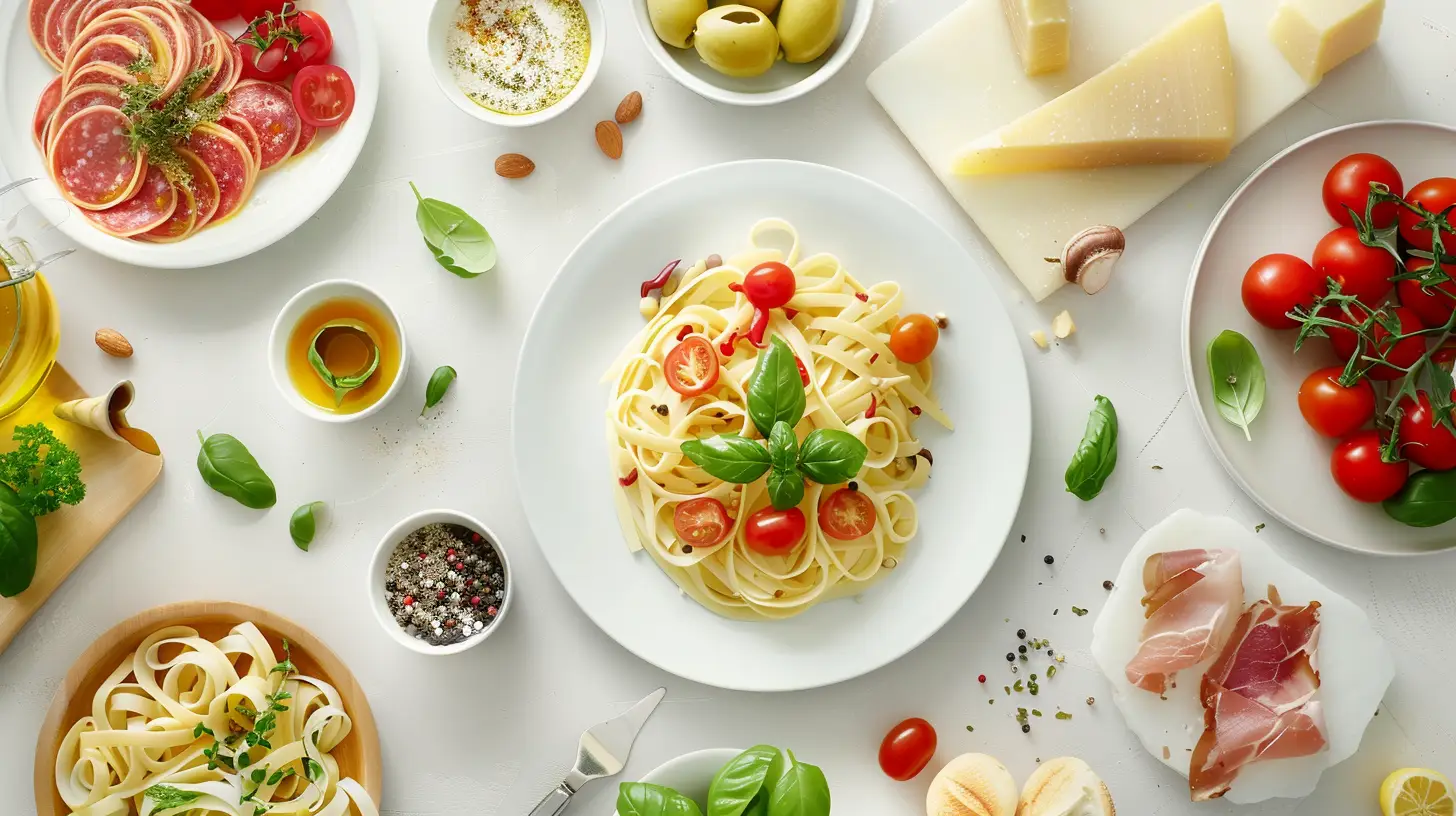
Even the pickiest eaters will find something to love in this Italian diet plan. It's designed with simplicity and palatability in mind, featuring flexible, fuss-free Italian dishes that can be tailored to soothe even the most selective taste buds.
Diet plan grocery list
Diet plan overview
Crafting an italian diet plan for picky eaters involves finding a balance between health and palatability. This plan is all about introducing subtle flavors and familiar textures that won’t intimidate the finicky eater. Dishes are gently seasoned and often involve pasta or risotto bases, which are usually well-received.
The goal is to expand the eater's palette at a comfortable pace. Classic dishes, such as spaghetti with a simple tomato sauce or chicken milanese, are perfect for easing into more diverse food choices without overwhelming taste buds.

Foods to eat
- Flexible Protein Sources: Chicken nuggets, fish sticks, and creatively shaped meatballs.
- Simple Pastas: Plain spaghetti or macaroni that can be paired with subtle sauces.
- Mild Cheeses: Mozzarella and ricotta are less intense and often more accepted by picky eaters.
- Basic Fruits: Apples, bananas, and melon, offered in fun shapes or as smoothies.
- Vegetables Made Fun: Carrot sticks, cucumber slices, and cherry tomatoes, presented in creative ways.
Tip
Introduce mild, but flavorful herbs like basil and oregano, which can be less intimidating for picky eaters.
Foods not to eat
- Strong Flavors: Spicy or overly exotic dishes that might be off-putting.
- Complicated Dishes: Foods that mix too many ingredients at once can be overwhelming.
- Crunchy Vegetables: Raw broccoli or cauliflower which can be difficult for some children to enjoy.
- Sugary Foods: Candies and sweet desserts that aren’t nutritionally beneficial.
- Fried Foods: Avoid greasy options that are unhealthy and may deter from trying healthier choices.
Main benefits
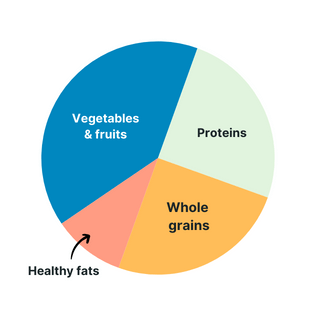
Tailored to meet the high-energy demands of athletes, the Italian diet plan for runners focuses on carb-loading with a twist, incorporating whole grains and antioxidant-rich sauces to boost endurance and recovery. Pasta dishes paired with lean proteins like chicken or fish provide the necessary fuel for long-distance efforts. Plus, the inclusion of fresh fruits and vegetables ensures optimal hydration and vitamin intake.
How to budget on this diet plan
Even picky eaters can enjoy an Italian diet by focusing on simple, familiar flavors and textures. To save money, stick to basic ingredients and recipes that can be easily customized to suit individual preferences. Experiment with different cooking methods like roasting, grilling, or sautéing to enhance the natural flavors of foods without relying on heavy sauces or seasonings. Get creative with presentation to make meals more appealing, such as arranging colorful vegetables in fun shapes or serving pasta with a variety of sauces to choose from. Lastly, involve picky eaters in meal planning and preparation to help them feel more invested in trying new foods and flavors.
Meal plan suggestion
Day 1
- Breakfast: Scrambled eggs with spinach and a side of sliced strawberries
- Lunch: Caprese salad with tomatoes, mozzarella, basil, and olive oil
- Dinner: Grilled chicken breasts with roasted potatoes and green beans
- Snack: Yogurt with sliced bananas
Day 2
- Breakfast: Yogurt with diced kiwi and strawberries
- Lunch: Tuna salad with bell peppers, onions, and a balsamic vinegar dressing
- Dinner: Beef steak with roasted carrots and broccoli
- Snack: Sliced apples with a side of ricotta cheese
Day 3
- Breakfast: Omelette with zucchini and a side of grapes
- Lunch: Pasta with tomato sauce, garlic, and parmesan cheese
- Dinner: Grilled chicken breasts with cauliflower and green beans
- Snack: Sliced oranges
Day 4
- Breakfast: Yogurt with sliced bananas and strawberries
- Lunch: Prosciutto and melon (substitute with kiwi if melon is unavailable)
- Dinner: Grilled beef steak with sautéed spinach and roasted bell peppers
- Snack: Sliced apples with ricotta cheese
Day 5
- Breakfast: Scrambled eggs with spinach and a side of kiwi
- Lunch: Salami and mozzarella cheese slices with basil and olive oil
- Dinner: Baked tuna with potatoes and green beans
- Snack: Yogurt with sliced oranges
Day 6
- Breakfast: Yogurt with diced kiwi and grapes
- Lunch: Chicken breast salad with tomatoes, onions, and balsamic vinegar dressing
- Dinner: Pasta with garlic, olive oil, anchovies, and parmesan cheese
- Snack: Sliced apples with ricotta cheese
Day 7
- Breakfast: Omelette with bell peppers and a side of strawberries
- Lunch: Beef steak with roasted carrots and broccoli
- Dinner: Risotto with zucchini, onions, and parmesan cheese
- Snack: Yogurt with sliced bananas
Want to learn more?
Keep in mind
Other diet plans
-

Carnivore diet plan for diabetics
This diet plan on the carnivore diet for diabetic individuals is quite low on carbs while approximating almost 100 percent in protein and fats. This helps to control blood sugar levels. Avoiding sugars and most of carbs can make it possible to have diabetes well under control. It is a radical but straightforward dietary intervention which should be done with supervision and guidance from health practitioners.
-

Carnivore diet plan for healthy eating
Healthy eating in the carnivore diet plan comprises a range of nutrient-dense sourced meats, such as organs and bone broths, which contain critical vitamins and minerals. It aims to eliminate inflammatory reactions, which are characteristic of some lifestyle diseases, and cut back the diet to essential nutrients. It may seem limiting, however, it facilitates looking deeper into the quality of every piece of meat cuisine.
-

Carnivore diet plan for beginners
The following carnivore beginner’s plan is especially intended for those who are new to the carnivore way of life. It begins by eating only meat instead of animal-based foods. Just after a few weeks or so, start introducing other types of food, such as fish, poultry, and organ meat. No complicated steps involved - learn the basics of meat preparation and accommodate a new food pattern.