
Keto diet plan for detox
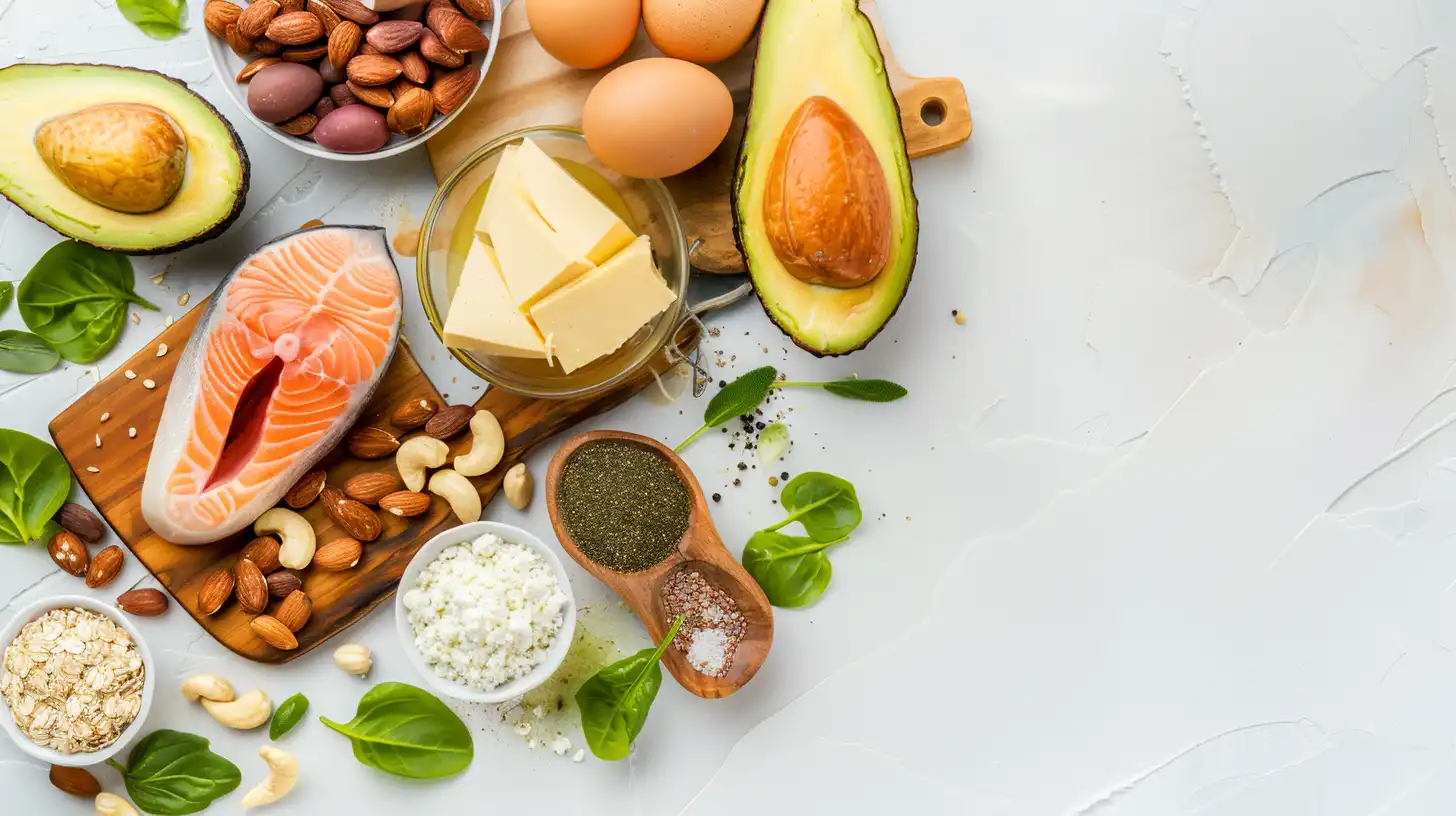
This version of the keto diet focuses on high-fat, low-carb foods that are also rich in antioxidants: think avocados, nuts, and leafy greens. By reducing toxin-loaded processed foods and sugars, your body can naturally begin to detoxify, potentially improving liver function and overall health. It's a dual-action plan that detoxes while sticking to the keto principles.
Diet plan grocery list
Diet plan overview
The keto diet plan for detox is geared towards flushing out toxins and refreshing the body’s metabolic processes. It combines the standard ketogenic formula of high fats and low carbs with an emphasis on organic, non-processed foods to enhance detoxification.
This plan often includes a lot of fluids and detox-specific supplements to aid in the process, like milk thistle or dandelion extracts. It’s a rejuvenating take on the traditional keto diet, designed to give your body a healthy reset.
Foods to eat
- Organic Meats: To avoid additives and hormones, opt for organic poultry, beef, and fish.
- Leafy Greens: Spinach, kale, and other greens to support detoxification processes.
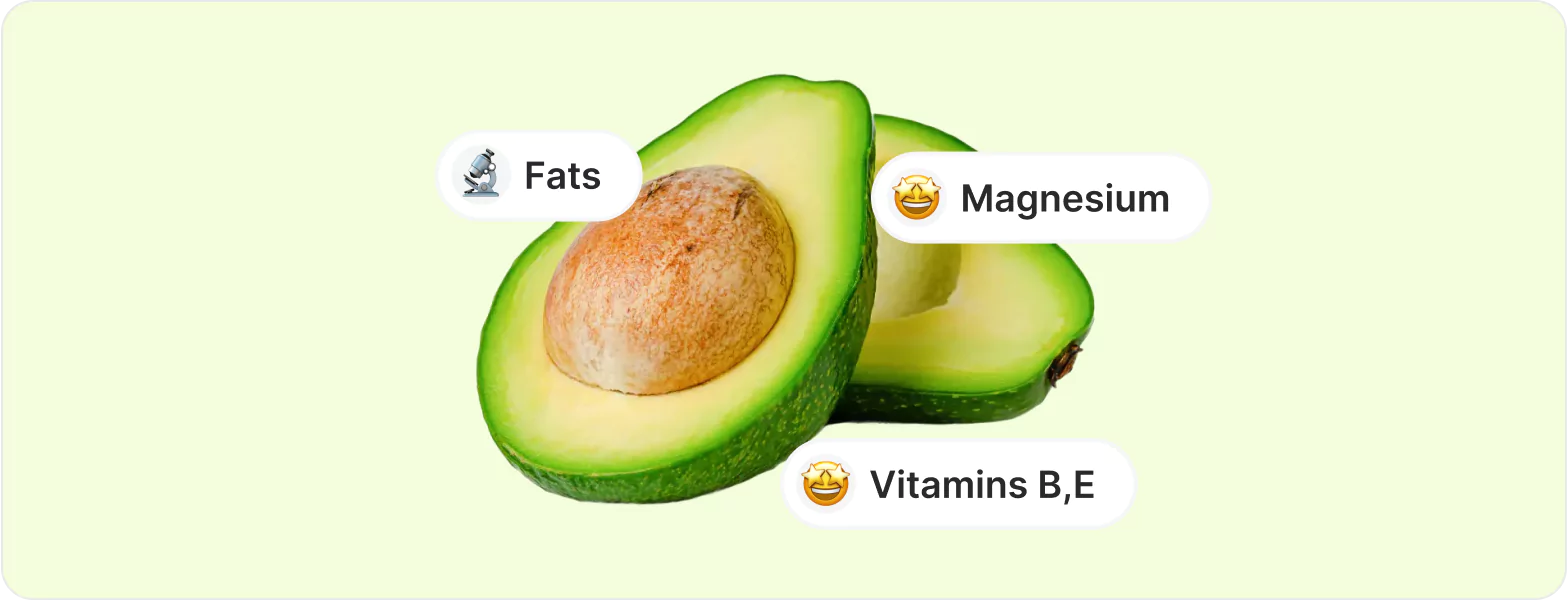
- Healthy Fats: Avocado, olive oil, and coconut oil to support liver function.
- Berries: Low-carb options like blueberries and raspberries, high in antioxidants.
- Herbs and Spices: Turmeric, ginger, and cilantro for their detoxifying properties.
Tip
Incorporate plenty of leafy greens and non-starchy vegetables, which are keto-friendly and rich in fiber and antioxidants, to support detoxification.
Foods not to eat
- Processed Foods: All types, especially those with additives and preservatives.
- Artificial Sweeteners: Such as aspartame and sucralose, which can burden the detox system.
- High Carb Vegetables: Potatoes and other starchy vegetables that disrupt ketosis.
- Alcohol: Toxins in alcohol can hinder the detoxification process.
- Dairy Products: Especially processed or non-organic dairy products.
Main benefits
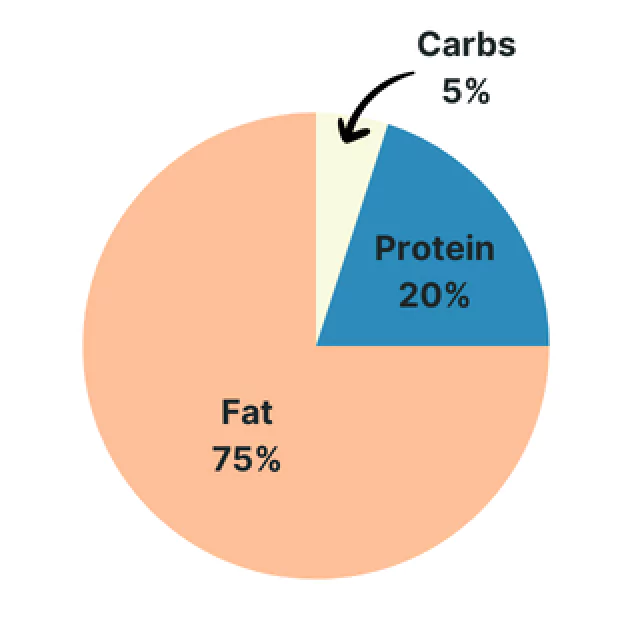
Opting for the keto diet plan for detox can help flush out toxins and stabilize the body’s metabolism by cutting out processed foods and sugars. This dietary approach emphasizes healthy fats, moderate proteins, and low carbs, which supports liver function and detoxification. It's a fresh way to reset your system and promote overall health.
How to budget on this diet plan
For a detox-focused keto diet, emphasize organic greens and low-carb vegetables that support detoxification, such as broccoli, kale, and spinach. Buying these vegetables in season or frozen can help manage costs while still providing the necessary nutrients for detoxification.
Meal plan suggestion
Day 1
- Breakfast: Smoothie with spinach, full-fat Greek yogurt, chia seeds, and a spoonful of coconut oil
- Lunch: Salad with grilled chicken breast, avocado, cucumber, and a mustard vinaigrette
- Dinner: Steamed salmon with a side of sautéed kale and garlic
- Snack: A handful of almonds
Day 2
- Breakfast: Scrambled eggs with spinach and mushrooms cooked in olive oil
- Lunch: Tuna salad with diced bell peppers, celery, fresh herbs, and olive oil
- Dinner: Pork loin roasted with a crust of garlic and herbs, served with steamed broccoli
- Snack: Walnuts and a few slices of cheese
Day 3
- Breakfast: Omelette with fresh herbs, mushrooms, and cheese
- Lunch: Chicken breast slices wrapped with spinach and avocado, dressed with apple cider vinegar
- Dinner: Beef stir-fry with zucchini, bell peppers, and coconut oil
- Snack: Flaxseed and coconut oil keto crackers
Day 4
- Breakfast: Boiled eggs with a side of sautéed spinach and bell peppers
- Lunch: Greek yogurt mixed with crushed almonds and a drizzle of olive oil
- Dinner: Grilled turkey breast with garlic roasted cauliflower
- Snack: Cucumber slices with a dollop of guacamole
Day 5
- Breakfast: Fried eggs with sautéed kale and mushrooms
- Lunch: Zucchini noodles tossed with grilled salmon and a pesto sauce of basil and olive oil
- Dinner: Stir-fried chicken with broccoli and a splash of apple cider vinegar
- Snack: A small piece of dark chocolate with high cocoa content
Day 6
- Breakfast: Coconut flour pancakes topped with butter and served with a side of heavy cream
- Lunch: Cobb salad with avocado, boiled eggs, and full-fat dressing
- Dinner: Baked tuna steaks with a side of asparagus cooked in garlic and olive oil
- Snack: Cheese slices and a few almonds
Day 7
- Breakfast: Smoothie with avocado, full-fat Greek yogurt, cocoa powder, and flaxseeds
- Lunch: Beef patties served with a side salad of arugula, cucumber, and bell peppers, dressed with olive oil
- Dinner: Roast pork loin with a side of steamed spinach and butter
- Snack: Greek yogurt mixed with crushed walnuts
Want to learn more?
Keep in mind
Other diet plans
-

Carnivore diet plan for diabetics
This diet plan on the carnivore diet for diabetic individuals is quite low on carbs while approximating almost 100 percent in protein and fats. This helps to control blood sugar levels. Avoiding sugars and most of carbs can make it possible to have diabetes well under control. It is a radical but straightforward dietary intervention which should be done with supervision and guidance from health practitioners.
-

Carnivore diet plan for healthy eating
Healthy eating in the carnivore diet plan comprises a range of nutrient-dense sourced meats, such as organs and bone broths, which contain critical vitamins and minerals. It aims to eliminate inflammatory reactions, which are characteristic of some lifestyle diseases, and cut back the diet to essential nutrients. It may seem limiting, however, it facilitates looking deeper into the quality of every piece of meat cuisine.
-

Carnivore diet plan for beginners
The following carnivore beginner’s plan is especially intended for those who are new to the carnivore way of life. It begins by eating only meat instead of animal-based foods. Just after a few weeks or so, start introducing other types of food, such as fish, poultry, and organ meat. No complicated steps involved - learn the basics of meat preparation and accommodate a new food pattern.