
Keto diet plan for elimination diet

This specialized keto plan is designed to help identify food sensitivities by systematically removing and reintroducing specific foods. It combines the benefits of ketosis with the clarity of an elimination diet to pinpoint dietary triggers. Ideal for anyone struggling with unexplained digestive issues or allergies.
Diet plan grocery list
Diet plan overview
An keto diet plan for elimination diet is designed to combine the benefits of ketosis with the identification of food sensitivities. It involves removing certain foods known to cause allergies or digestive issues and gradually reintroducing them to pinpoint triggers. This plan uses keto principles to maintain low carb intake throughout the process.
It's important to proceed with caution and possibly under the guidance of a dietitian to ensure nutritional adequacy and effective identification of sensitivities.

Foods to eat
- Whole, Single-Ingredient Foods: Fresh meats, fish, and eggs to eliminate hidden allergens.
- Selected Vegetables: Non-reactive vegetables like leafy greens and squashes.
- Healthy Fats: Olive oil and coconut oil to maintain caloric intake without added allergens.
- Fresh Herbs and Spices: Use natural seasonings like turmeric and ginger for flavor without additives.
- Water and Herbal Teas: Keep hydrated with plain water and non-caffeinated herbal teas.
Tip
Start with a strict keto framework and gradually reintroduce foods one at a time to identify potential inflammatory responses or sensitivities.
Foods not to eat
- Common Allergens: Dairy, nuts, eggs, soy, and gluten-containing products should be initially excluded.
- Processed Meats: Sausages and deli meats can have additives and fillers that trigger sensitivities.
- Artificial Sweeteners: Products like aspartame and sucralose can be problematic for some people.
- Complex Seasonings: Blended spices and sauces often contain gluten or other allergens.
- Alcoholic Beverages: These can exacerbate sensitivities and should be avoided during the elimination phase.
Main benefits
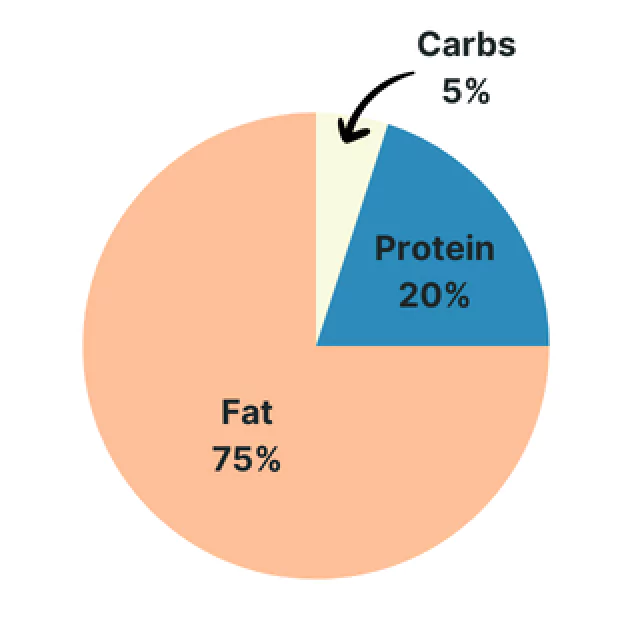
The keto diet plan for elimination diet simplifies identifying food sensitivities by starting with a base of few low-carb foods and gradually reintroducing others. This method can help individuals pinpoint specific dietary triggers while staying in ketosis. It's an effective strategy for those with digestive issues or autoimmune disorders.
How to budget on this diet plan
Start by eliminating only a few foods at a time to see how your body reacts, which can keep initial costs low. Use spices and herbs to flavor meals instead of costly sauces that may contain hidden sugars or carbohydrates. Keep a food diary to track your reactions to foods, helping you identify sensitivities without extensive testing.
Meal plan suggestion
Day 1
- Breakfast: Scrambled eggs cooked in butter with spinach and mushrooms
- Lunch: Grilled chicken thighs with a side of steamed broccoli drizzled with olive oil
- Dinner: Baked salmon served with cauliflower rice sautéed in coconut oil
- Snack: Handful of almonds
Day 2
- Breakfast: Greek yogurt topped with chia seeds and sliced avocado
- Lunch: Zucchini noodles tossed in olive oil with grilled chicken and bell peppers
- Dinner: Ground beef stir-fry with mushrooms, kale, and garlic cooked in ghee
- Snack: Celery sticks with almond butter
Day 3
- Breakfast: Omelette filled with sautéed spinach, mushrooms, and onions cooked in coconut oil
- Lunch: Smoked salmon salad with mixed greens, cucumber, and avocado dressed with olive oil
- Dinner: Baked chicken thighs seasoned with herbs and served with roasted cauliflower
- Snack: Pecan halves
Day 4
- Breakfast: Keto pancakes made with almond flour and topped with butter and flaxseed
- Lunch: Sardine salad with spinach, avocado, and cucumber dressed in olive oil
- Dinner: Beef stir-fry with broccoli, bell peppers, and onions cooked in coconut oil
- Snack: Cottage cheese with walnuts
Day 5
- Breakfast: Chia seed pudding made with coconut milk and topped with sliced almonds
- Lunch: Grilled salmon served over a bed of kale sautéed in ghee
- Dinner: Baked chicken thighs with roasted asparagus drizzled with olive oil
- Snack: Macadamia nuts
Day 6
- Breakfast: Spinach and feta omelette cooked in olive oil
- Lunch: Chicken salad with mixed greens, avocado, and radishes dressed with olive oil
- Dinner: Beef and broccoli stir-fry cooked in coconut oil
- Snack: Flaxseed crackers with cream cheese
Day 7
- Breakfast: Keto smoothie made with coconut milk, avocado, spinach, and hemp seeds
- Lunch: Cauliflower rice bowl topped with grilled chicken, bell peppers, and onions sautéed in ghee
- Dinner: Baked salmon served with roasted zucchini tossed in olive oil
- Snack: Hard-boiled eggs
Want to learn more?
Keep in mind
Other diet plans
-

Carnivore diet plan for diabetics
This diet plan on the carnivore diet for diabetic individuals is quite low on carbs while approximating almost 100 percent in protein and fats. This helps to control blood sugar levels. Avoiding sugars and most of carbs can make it possible to have diabetes well under control. It is a radical but straightforward dietary intervention which should be done with supervision and guidance from health practitioners.
-

Carnivore diet plan for healthy eating
Healthy eating in the carnivore diet plan comprises a range of nutrient-dense sourced meats, such as organs and bone broths, which contain critical vitamins and minerals. It aims to eliminate inflammatory reactions, which are characteristic of some lifestyle diseases, and cut back the diet to essential nutrients. It may seem limiting, however, it facilitates looking deeper into the quality of every piece of meat cuisine.
-

Carnivore diet plan for beginners
The following carnivore beginner’s plan is especially intended for those who are new to the carnivore way of life. It begins by eating only meat instead of animal-based foods. Just after a few weeks or so, start introducing other types of food, such as fish, poultry, and organ meat. No complicated steps involved - learn the basics of meat preparation and accommodate a new food pattern.