
Keto diet plan for high blood pressure
Tailored for individuals with high blood pressure, this keto diet emphasizes foods rich in potassium and magnesium to help manage heart health. By cutting carbs, the body may better regulate blood pressure levels, and the inclusion of heart-healthy fats supports overall cardiovascular wellness. It’s a targeted way to tackle hypertension with dietary adjustments.
Diet plan grocery list
Diet plan overview
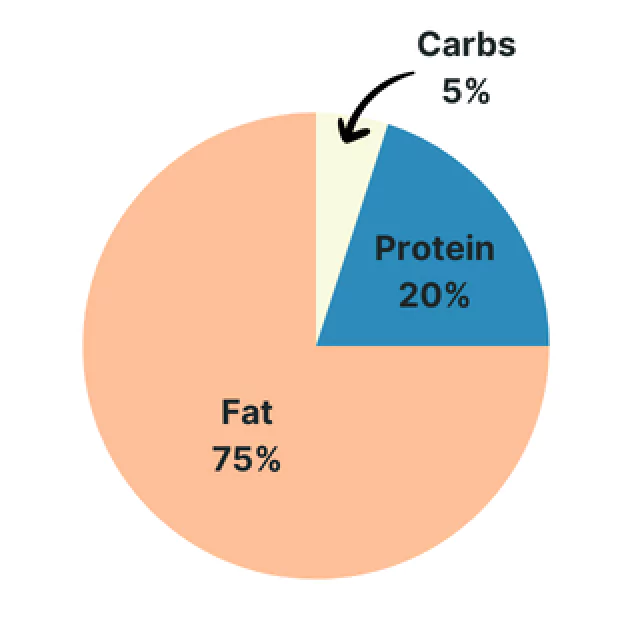
A keto diet plan for high blood pressure aims to reduce hypertension through a low-carb, high-fat diet which may decrease blood pressure naturally. Foods rich in potassium and magnesium are emphasized to support blood pressure regulation. The reduction in processed and sugary foods also aids in overall cardiovascular health.
It's essential for individuals with high blood pressure to monitor their condition closely when on this diet, as significant dietary changes can affect blood pressure levels.
Foods to eat
- Low-Sodium Foods: Fresh meats and vegetables without added salts.
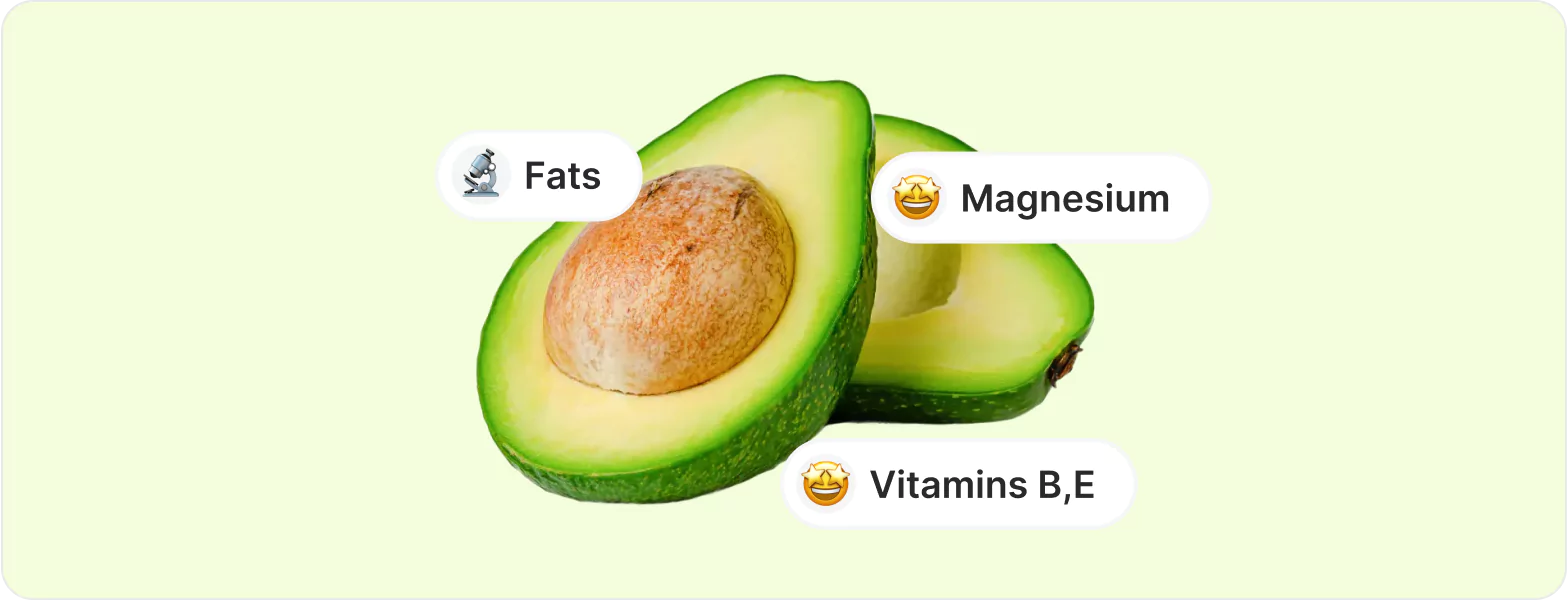
- Potassium-Rich Foods: Avocado and leafy greens to help manage blood pressure levels.
- Healthy Fats: Olive oil and nuts that are low in sodium but high in essential fatty acids.
- High-Fiber Foods: Cruciferous vegetables like broccoli and Brussels sprouts to support digestive health.
- Mineral-Rich Foods: Seeds like pumpkin and sunflower seeds that are naturally low in sodium.
Tip
Choose potassium-rich keto foods like avocado and spinach to help counteract the blood pressure-raising effects of sodium.
Foods not to eat
- Salted Snacks: Chips, pretzels, and other snacks high in sodium should be avoided.
- High-Sodium Condiments: Soy sauce, barbecue sauce, and other salty condiments.
- Processed Meats: Bacon, sausages, and deli meats typically high in sodium.
- Canned Foods: Canned soups and vegetables with added salts.
- Cheese: High-sodium cheeses should be limited or avoided.
Main benefits
The keto diet plan for high blood pressure focuses on nutrient-rich, low-carb foods that can help reduce blood pressure levels. Foods rich in potassium and magnesium, like leafy greens and fatty fish, are staples in this plan, supporting cardiovascular health. It's a useful dietary approach for those seeking to manage or prevent hypertension.
How to budget on this diet plan
Incorporate potassium-rich foods like spinach and avocados, which are beneficial for blood pressure and can be cost-effective, especially when bought in season. Prepare meals at home using simple ingredients to control your intake of sodium, a common contributor to high blood pressure. Check local markets for fresh produce deals, which can be both budget-friendly and fresh.
Meal plan suggestion
Day 1
- Breakfast: Scrambled eggs with spinach and mushrooms cooked in coconut oil
- Lunch: Grilled chicken breast salad with avocado, cucumber, and feta cheese
- Dinner: Baked salmon with roasted Brussels sprouts and cauliflower
- Snack: Handful of almonds and walnuts
Day 2
- Breakfast: Kale and spinach smoothie with coconut milk and chia seeds
- Lunch: Zucchini noodles with grilled shrimp and olive oil
- Dinner: Pork loin with sautéed asparagus and mushrooms in butter
- Snack: Greek yogurt with flaxseeds
Day 3
- Breakfast: Omelette with bell peppers, mushrooms, and spinach cooked in olive oil
- Lunch: Tuna salad with mixed greens, cucumber, and avocado
- Dinner: Beef stir-fry with broccoli, cauliflower, and green beans in coconut oil
- Snack: Celery sticks with blue cheese
Day 4
- Breakfast: Keto pancakes made with almond flour topped with blueberries and a side of bacon
- Lunch: Grilled mackerel with spinach salad, avocado, and hemp seeds
- Dinner: Chicken and vegetable skewers with bell peppers, zucchini, and mushrooms
- Snack: Pecans and a few slices of cucumber
Day 5
- Breakfast: Frittata with broccoli, cauliflower, and feta cheese
- Lunch: Keto-friendly Caesar salad with grilled chicken and bacon
- Dinner: Baked salmon with roasted Brussels sprouts and cauliflower
- Snack: Hard-boiled eggs with a sprinkle of salt
Day 6
- Breakfast: Spinach and mushroom omelette cooked in coconut oil
- Lunch: Chicken Caesar lettuce wraps with avocado and Parmesan cheese
- Dinner: Grilled pork loin with cauliflower rice and sautéed kale
- Snack: Celery sticks with almond butter
Day 7
- Breakfast: Keto avocado smoothie with spinach, kale, and coconut milk
- Lunch: Tuna salad stuffed in bell peppers with a side of cucumber slices
- Dinner: Beef and broccoli stir-fry with cauliflower rice
- Snack: Greek yogurt with a handful of walnuts
Want to learn more?
Keep in mind
Other diet plans
-

Carnivore diet plan for diabetics
This diet plan on the carnivore diet for diabetic individuals is quite low on carbs while approximating almost 100 percent in protein and fats. This helps to control blood sugar levels. Avoiding sugars and most of carbs can make it possible to have diabetes well under control. It is a radical but straightforward dietary intervention which should be done with supervision and guidance from health practitioners.
-

Carnivore diet plan for healthy eating
Healthy eating in the carnivore diet plan comprises a range of nutrient-dense sourced meats, such as organs and bone broths, which contain critical vitamins and minerals. It aims to eliminate inflammatory reactions, which are characteristic of some lifestyle diseases, and cut back the diet to essential nutrients. It may seem limiting, however, it facilitates looking deeper into the quality of every piece of meat cuisine.
-

Carnivore diet plan for beginners
The following carnivore beginner’s plan is especially intended for those who are new to the carnivore way of life. It begins by eating only meat instead of animal-based foods. Just after a few weeks or so, start introducing other types of food, such as fish, poultry, and organ meat. No complicated steps involved - learn the basics of meat preparation and accommodate a new food pattern.