
Keto diet plan for muscle gain
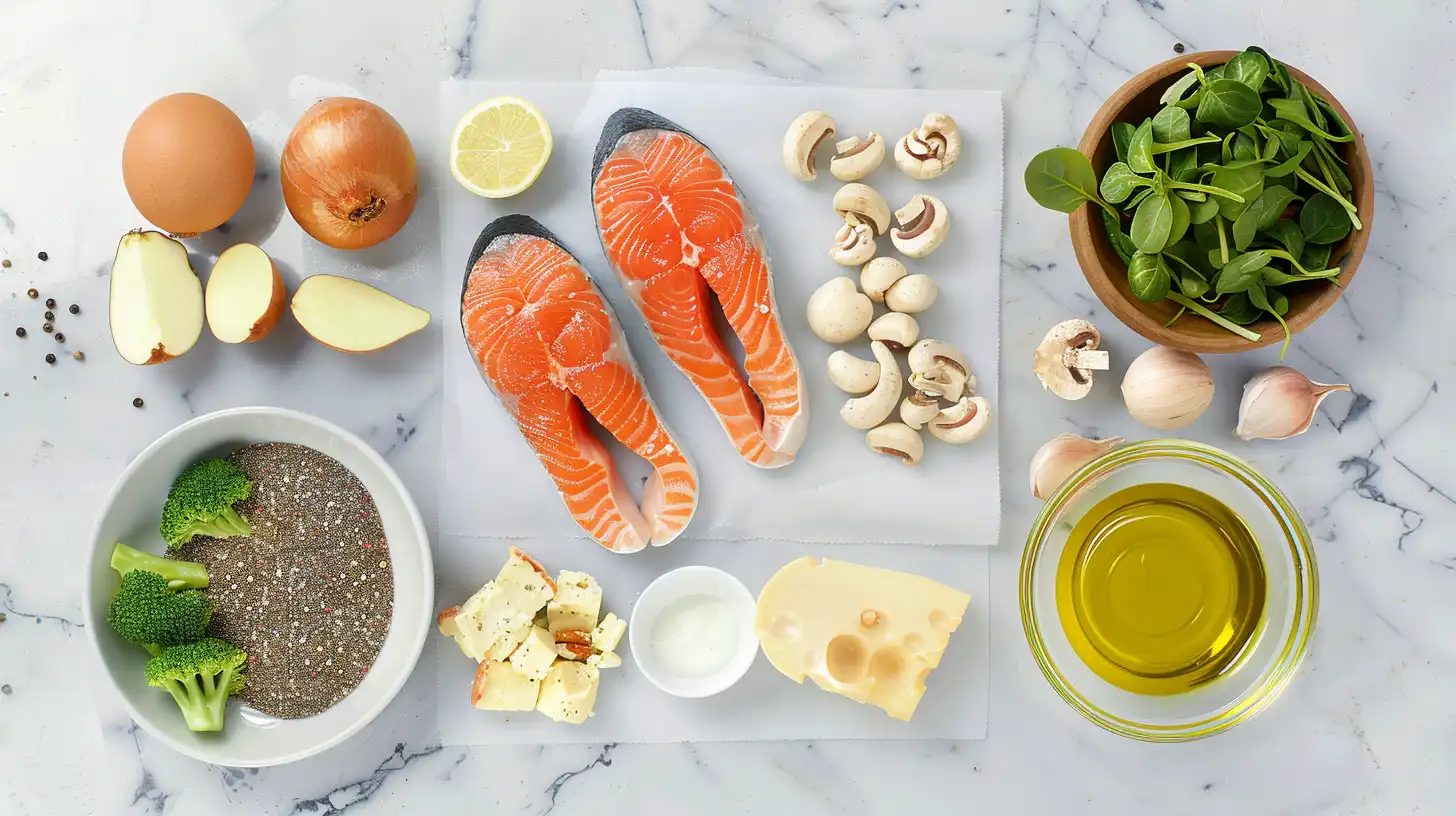
The keto diet plan for muscle gain combines high-fat and moderate protein intake to help you bulk up while staying lean. This plan supports muscle repair and growth by ensuring your body remains in ketosis, even as you push the limits with your workouts. It’s perfect for athletes looking to gain muscle without the extra carbs.
Diet plan grocery list
Diet plan overview
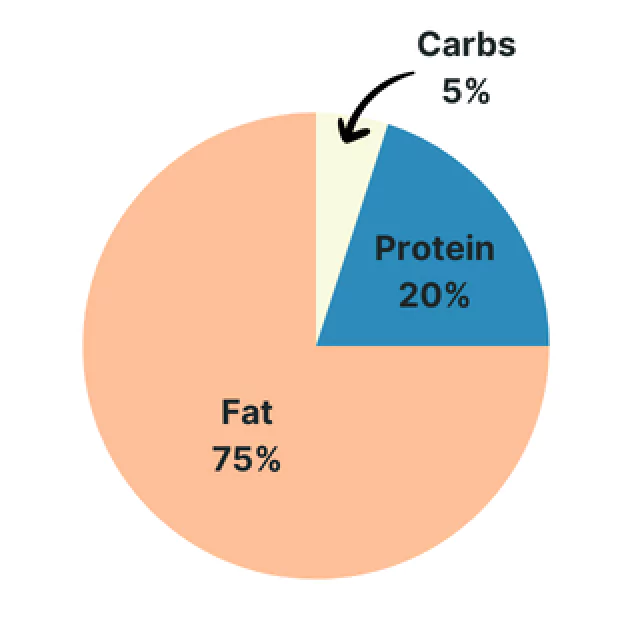
A keto diet plan for muscle gain focuses on increasing caloric intake from fats and proteins while maintaining very low carb levels to stay in ketosis. This strategy supports muscle growth by ensuring enough protein for muscle repair and enough fat for energy without relying on carbohydrates. It's crucial to calculate your macronutrient needs accurately to balance muscle gain while staying in ketosis.
Individuals following this plan often supplement with medium-chain triglyceride (MCT) oils and ensure they consume enough calories to support their workout regimens. Meal planning is key to make sure that each meal supports muscle growth and energy needs.
Foods to eat
- High Protein Meats: Chicken breast, lean beef, and turkey to help build and repair muscle tissue.
- Fatty Fish: Salmon, trout, and mackerel rich in omega-3 fatty acids and protein.
- Low-Carb Dairy: Greek yogurt, cottage cheese, and hard cheeses for protein and fat intake.
- Nuts and Seeds: Almonds, peanuts, and pumpkin seeds as calorie-dense snacks to aid muscle gain.
- Protein Powders: Whey or pea protein isolates that are low in carbs to boost protein intake without excess sugar.
Tip
Incorporate high-quality, low-carb protein sources like whey protein isolate and fatty fish to fuel muscle growth while maintaining ketosis.
Foods not to eat
- High-Carb Foods: Grains like rice, pasta, and bread which can disrupt ketosis.
- Sugary Snacks: Candy, cakes, and cookies which are high in sugars and can hinder muscle definition.
- Starchy Vegetables: Potatoes and other root vegetables high in carbohydrates.
- Fruits: High sugar fruits like bananas and mangoes that can exceed daily carb limits.
- Low-Fat Dairy: Skim milk and low-fat yogurt that lack substantial fats needed for ketosis.
Main benefits
The keto diet plan for muscle gain leverages high-fat intake to fuel workouts, while moderate protein supports muscle repair and growth. By cutting carbs, the body utilizes fat for energy, preserving muscle mass during workouts. This dietary strategy is popular among athletes looking to increase strength without adding body fat.
How to budget on this diet plan
To manage costs while gaining muscle on a keto diet, focus on affordable high-fat protein sources like eggs and ground beef. Bulk-buy and freeze meats when they are on sale to ensure you always have a keto-friendly option at hand. Consider making your own keto snacks, such as cheese crisps or avocado chips, to save money compared to store-bought alternatives.
Meal plan suggestion
Day 1
- Breakfast: Scrambled eggs cooked in butter with spinach and cheese
- Lunch: Grilled salmon with avocado and cauliflower rice
- Dinner: Beef steak with roasted broccoli and a side salad with olive oil dressing
- Snack: Handful of almonds
Day 2
- Breakfast: Omelette with cheese, spinach, and bell peppers cooked in coconut oil
- Lunch: Tuna salad with mixed greens, avocado, and olive oil dressing
- Dinner: Baked chicken breast with zucchini noodles and pesto sauce
- Snack: Cottage cheese with a sprinkle of hemp seeds
Day 3
- Breakfast: Greek yogurt topped with crushed walnuts and chia seeds
- Lunch: Pork chops with steamed asparagus and a side of cauliflower mash
- Dinner: Grilled turkey breast with sautéed spinach and mushrooms
- Snack: Turkey jerky
Day 4
- Breakfast: Scrambled eggs cooked in ghee with diced bacon and sliced avocado
- Lunch: Sardine salad with mixed greens, cucumber, and olive oil dressing
- Dinner: Pan-seared mackerel with roasted asparagus and a side of zucchini noodles
- Snack: Celery sticks with almond butter
Day 5
- Breakfast: Keto smoothie with unsweetened almond milk, whey protein powder, spinach, and flaxseeds
- Lunch: Grilled chicken breast with sautéed bell peppers and onions in olive oil
- Dinner: Baked salmon with roasted cauliflower and a side salad with avocado and hemp seeds
- Snack: Hard-boiled eggs
Day 6
- Breakfast: Turkey bacon and scrambled eggs cooked in coconut oil with a side of sliced avocado
- Lunch: Beef steak salad with mixed greens, cheese, and olive oil dressing
- Dinner: Grilled pork chops with sautéed zucchini and cauliflower rice
- Snack: Macadamia nuts
Day 7
- Breakfast: Keto pancakes made with almond flour, topped with melted butter and dark chocolate shavings
- Lunch: Tuna avocado boats with a side of spinach salad and olive oil dressing
- Dinner: Baked chicken thighs with roasted broccoli and a side of Greek yogurt
- Snack: Walnuts and cheese slices
Want to learn more?
Keep in mind
Other diet plans
-

Carnivore diet plan for diabetics
This diet plan on the carnivore diet for diabetic individuals is quite low on carbs while approximating almost 100 percent in protein and fats. This helps to control blood sugar levels. Avoiding sugars and most of carbs can make it possible to have diabetes well under control. It is a radical but straightforward dietary intervention which should be done with supervision and guidance from health practitioners.
-

Carnivore diet plan for healthy eating
Healthy eating in the carnivore diet plan comprises a range of nutrient-dense sourced meats, such as organs and bone broths, which contain critical vitamins and minerals. It aims to eliminate inflammatory reactions, which are characteristic of some lifestyle diseases, and cut back the diet to essential nutrients. It may seem limiting, however, it facilitates looking deeper into the quality of every piece of meat cuisine.
-

Carnivore diet plan for beginners
The following carnivore beginner’s plan is especially intended for those who are new to the carnivore way of life. It begins by eating only meat instead of animal-based foods. Just after a few weeks or so, start introducing other types of food, such as fish, poultry, and organ meat. No complicated steps involved - learn the basics of meat preparation and accommodate a new food pattern.