
Kosher diet plan for detox
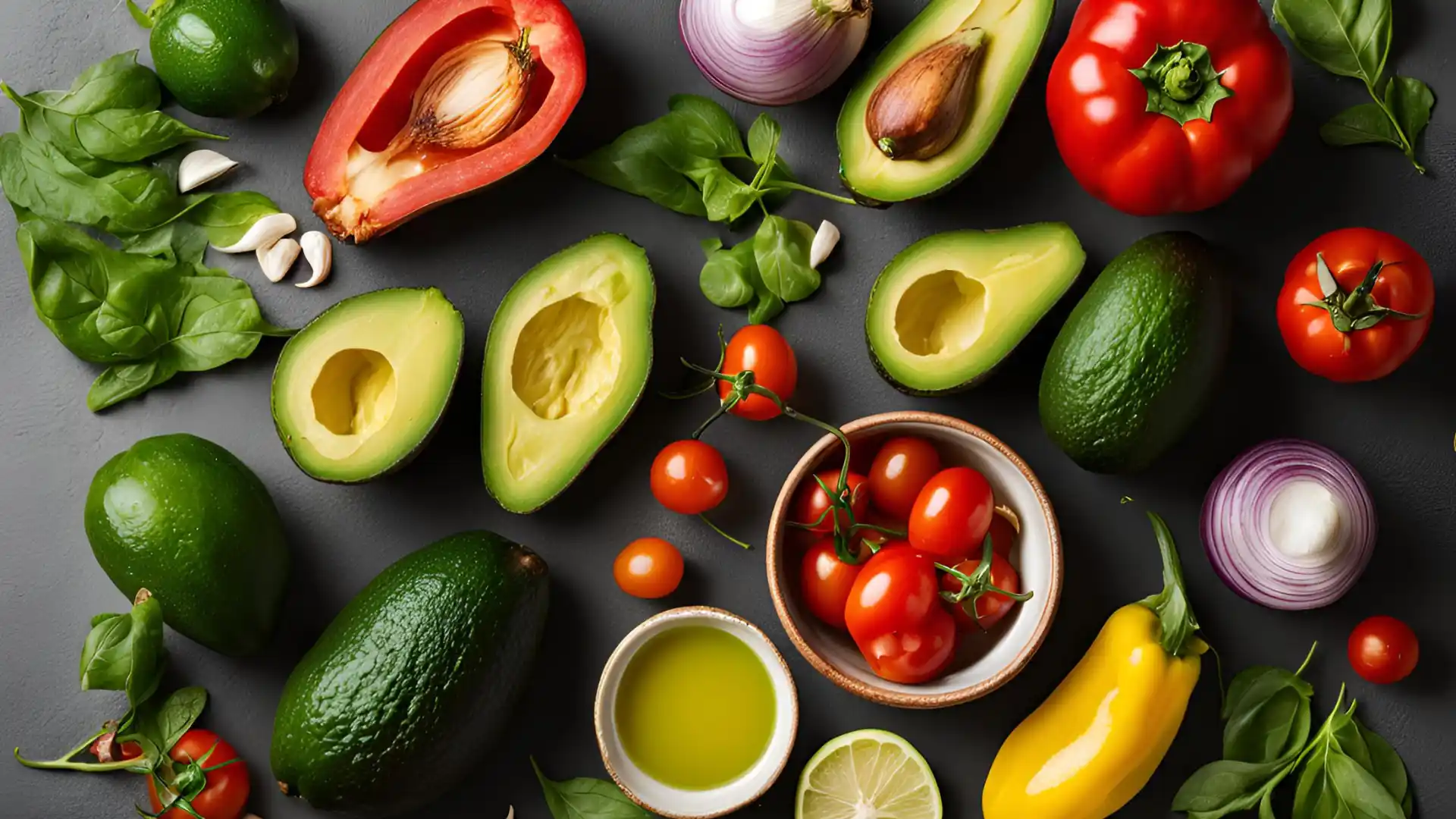
Detoxing with a kosher diet involves eating plenty of fruits, vegetables, and other natural, unprocessed foods. This helps cleanse your body while adhering to dietary laws. It’s about nurturing your body with kosher-friendly foods that promote detoxification.
Diet plan grocery list
Diet plan overview
Looking to cleanse your body of toxins while sticking to kosher guidelines? The kosher diet plan for detox is designed to help you do just that. It focuses on fresh, whole foods like fruits, vegetables, and lean proteins, avoiding processed foods and sugar.
This plan emphasizes hydration, recommending plenty of water and herbal teas to help flush out toxins. By including antioxidant-rich foods and minimizing intake of dairy and gluten, it aims to support your liver and digestive system in their natural detox processes.
Foods to eat
- Leafy Greens: Spinach, kale, and arugula help detoxify the body.
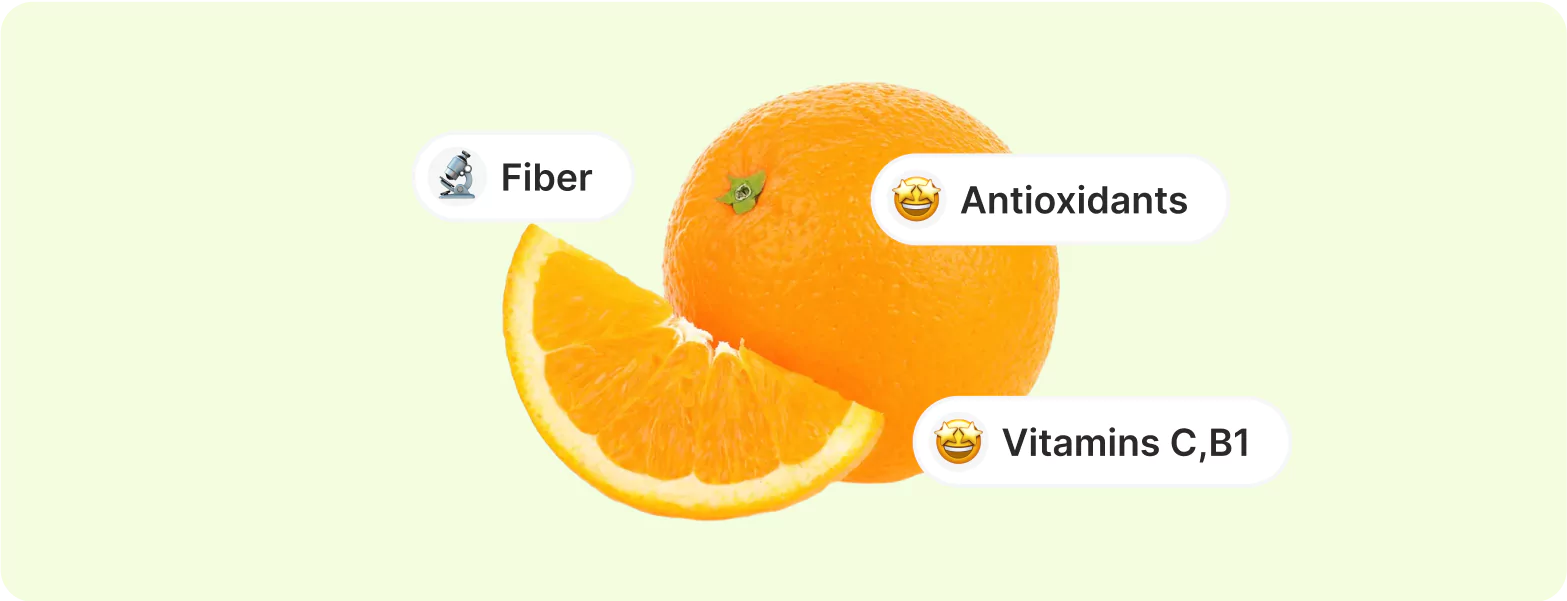
- Citrus Fruits: Lemons, oranges, and grapefruits boost vitamin C intake.
- Green Tea: Rich in antioxidants, perfect for detoxification.
- Fiber-Rich Foods: Beans, lentils, and whole grains aid in digestion.
- Hydrating Vegetables: Cucumbers, celery, and watermelon help flush out toxins.
Tip
Hydrate with flavorful kosher broths! They're naturally detoxifying, low-calorie, and can be a satisfying alternative to sugary drinks.
Foods not to eat
- Processed Foods: Say no to pre-packaged meals and snacks that contain preservatives.
- Refined Sugars: Avoid candy, cakes, and sugary drinks.
- Alcohol: Skip the alcoholic beverages to give your liver a break.
- Caffeinated Drinks: Reduce intake of coffee and energy drinks.
- High-Sodium Foods: Limit salty snacks and canned soups that can cause water retention.
Main benefits
A kosher diet plan for detox emphasizes whole, unprocessed foods, aiding in the elimination of toxins. It supports liver function with nutrient-rich foods like beets and leafy greens. The plan includes plenty of water-rich fruits and vegetables, helping in hydration and toxin removal. Moreover, it encourages a reduction in sugar and caffeine, which can enhance overall detoxification.
How to budget on this diet plan
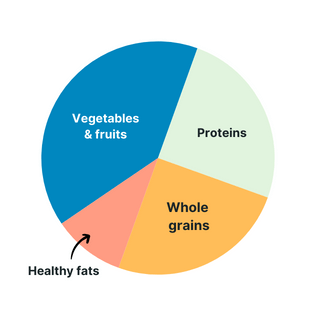
Kosher detoxing emphasizes whole, unprocessed foods. Embrace budget-friendly options like seasonal vegetables and fruits. Frozen fruits are a budget win - throw them in smoothies or use them for homemade frozen yogurt (made with yogurt compliant with kashrut). Skip expensive pre-made cleanses and juices. Instead, focus on water as your go-to beverage. Leftover lentil soup becomes a quick and affordable lunch option, packed with fiber to support your body's natural detoxification process.
Meal plan suggestion
Day 1
- Breakfast: Greek yogurt with bananas and walnuts
- Lunch: Quinoa salad with spinach, kale, bell peppers, and lemon olive oil dressing
- Dinner: Grilled chicken breast with steamed broccoli and carrots
- Snack: Apple slices with almond butter
Day 2
- Breakfast: Scrambled eggs with spinach and tomatoes
- Lunch: Brown rice bowl with ground turkey, onions, and green beans
- Dinner: Baked salmon with roasted cauliflower and quinoa
- Snack: Cottage cheese with sliced cucumbers
Day 3
- Breakfast: Smoothie with Greek yogurt, kale, bananas, and almond milk
- Lunch: Chicken salad with avocado, cucumbers, and cilantro
- Dinner: Tofu stir-fry with bell peppers, onions, and broccoli
- Snack: Carrot sticks with hummus
Day 4
- Breakfast: Cottage cheese with apples and cashews
- Lunch: Spinach and kale salad with goat cheese, walnuts, and lemon olive oil dressing
- Dinner: Grilled chicken breast with quinoa and green beans
- Snack: Greek yogurt with sliced bananas
Day 5
- Breakfast: Scrambled eggs with kale and tomatoes
- Lunch: Quinoa bowl with roasted cauliflower, broccoli, and carrots
- Dinner: Baked salmon with brown rice and steamed spinach
- Snack: Hummus with cucumber slices
Day 6
- Breakfast: Smoothie with Greek yogurt, spinach, apples, and almond milk
- Lunch: Ground turkey lettuce wraps with bell peppers and cilantro
- Dinner: Grilled chicken breast with roasted carrots and quinoa
- Snack: Cottage cheese with sliced tomatoes
Day 7
- Breakfast: Greek yogurt with bananas and almonds
- Lunch: Spinach and kale salad with avocado, cucumbers, and goat cheese
- Dinner: Baked salmon with brown rice and steamed broccoli
- Snack: Apple slices with cashew butter
Want to learn more?
Keep in mind
Other diet plans
-

Carnivore diet plan for diabetics
This diet plan on the carnivore diet for diabetic individuals is quite low on carbs while approximating almost 100 percent in protein and fats. This helps to control blood sugar levels. Avoiding sugars and most of carbs can make it possible to have diabetes well under control. It is a radical but straightforward dietary intervention which should be done with supervision and guidance from health practitioners.
-

Carnivore diet plan for healthy eating
Healthy eating in the carnivore diet plan comprises a range of nutrient-dense sourced meats, such as organs and bone broths, which contain critical vitamins and minerals. It aims to eliminate inflammatory reactions, which are characteristic of some lifestyle diseases, and cut back the diet to essential nutrients. It may seem limiting, however, it facilitates looking deeper into the quality of every piece of meat cuisine.
-

Carnivore diet plan for beginners
The following carnivore beginner’s plan is especially intended for those who are new to the carnivore way of life. It begins by eating only meat instead of animal-based foods. Just after a few weeks or so, start introducing other types of food, such as fish, poultry, and organ meat. No complicated steps involved - learn the basics of meat preparation and accommodate a new food pattern.