
Kosher diet plan for elimination diet
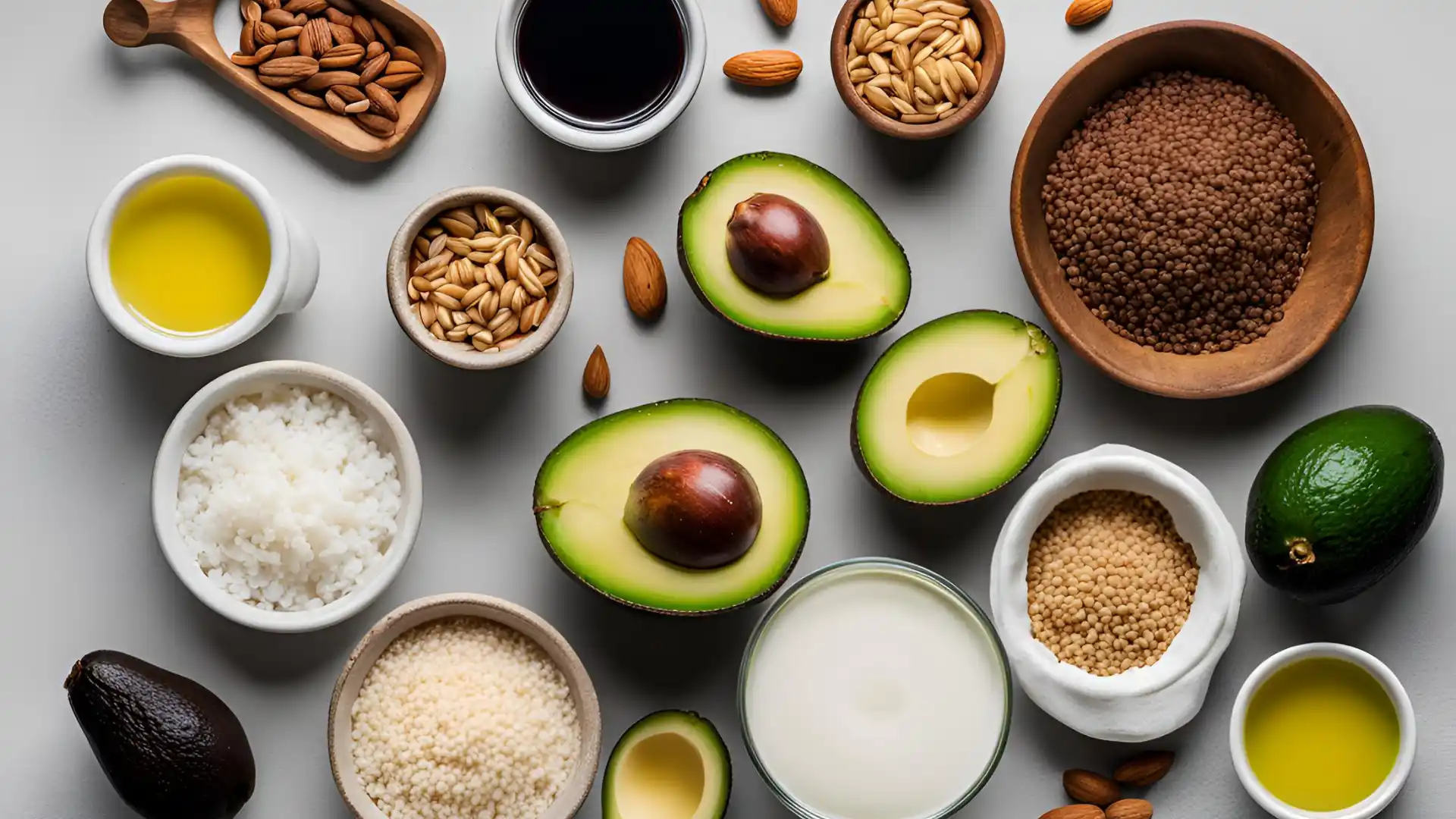
Navigating an elimination diet while keeping kosher might seem tricky, but it's doable with a bit of planning. By focusing on kosher-certified whole foods, you can effectively identify food sensitivities without compromising your dietary laws. This approach helps maintain a balance between health needs and religious practices.
Diet plan grocery list
Diet plan overview
The kosher diet plan for elimination diet focuses on identifying food sensitivities while adhering to kosher dietary laws. This diet involves removing specific foods from your diet for a period and then gradually reintroducing them to pinpoint what might be causing digestive issues or allergies.
Keeping kosher means avoiding certain foods like pork and shellfish and ensuring that meat and dairy are not mixed. Combining this with an elimination diet can be a bit challenging but beneficial for those needing to manage food sensitivities within the guidelines of kosher eating.

Foods to eat
- Lean Proteins: Chicken breast, turkey, and fish that comply with kosher rules.
- Fresh Vegetables: Leafy greens, carrots, and bell peppers for essential nutrients.
- Whole Grains: Quinoa, barley, and whole wheat products.
- Fruits: Apples, berries, and citrus fruits for vitamins and fiber.
- Low-Fat Dairy: Skim milk, low-fat cheese, and yogurt following kosher guidelines.
Tip
Focus on simply prepared fish or chicken – easier to track potential food sensitivities while adhering to kosher dietary restrictions.
Foods not to eat
- Processed Foods: Avoid packaged snacks and processed meats that may contain non-kosher ingredients.
- Sugary Foods: Limit candy, pastries, and sugary cereals.
- High-Fat Dairy: Full-fat milk, cheese, and butter can increase your fat intake.
- Red Meat: Minimize consumption of beef and lamb, especially if it's not lean.
- Sugary Drinks: Stay away from sodas and sweetened juices.
Main benefits
The kosher diet plan for elimination diet helps identify food sensitivities by adhering to strict dietary laws and avoiding certain food groups. This structured approach can lead to better gut health and reduced digestive issues. By eliminating specific foods, individuals can pinpoint allergens and intolerances more effectively. The diet’s emphasis on whole, unprocessed foods supports overall wellness and improved energy levels.
How to budget on this diet plan
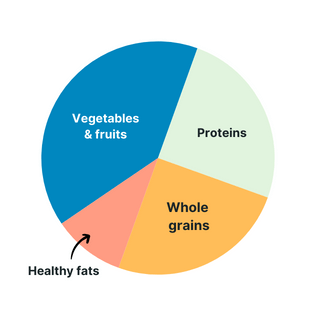
An elimination diet within kosher guidelines requires careful planning. Start with a limited base of familiar kosher proteins like chicken, fish, or eggs. Pair them with single-ingredient vegetables like carrots, potatoes, or green beans. Rotate protein and vegetable options one at a time to identify potential sensitivities. Kosher alternatives like quinoa or lentils can be used as tolerated.
Meal plan suggestion
Day 1
- Breakfast: Scrambled eggs with spinach and avocado
- Lunch: Quinoa salad with carrots, cucumbers, and lemon vinaigrette
- Dinner: Baked salmon with roasted broccoli and cauliflower
- Snack: Sliced apples with almond butter
Day 2
- Breakfast: Banana smoothie with almond milk and spinach
- Lunch: Grilled chicken breast with sweet potato wedges
- Dinner: Beef stir-fry with broccoli, cauliflower, and garlic
- Snack: Blueberries with a handful of almonds
Day 3
- Breakfast: Scrambled eggs with diced onions and parsley
- Lunch: Spinach salad with sliced strawberries, avocado, and balsamic vinaigrette
- Dinner: Baked chicken breast with roasted carrots and thyme
- Snack: Celery sticks with hummus
Day 4
- Breakfast: Oatmeal with sliced bananas and almond milk
- Lunch: Turkey lettuce wraps with sliced cucumbers and avocado
- Dinner: Quinoa-stuffed bell peppers with ground turkey and tomatoes
- Snack: Carrot sticks with tzatziki sauce
Day 5
- Breakfast: Smoothie bowl with mixed berries, spinach, and rice milk
- Lunch: Broccoli soup with a side of brown rice
- Dinner: Grilled salmon with lemon-garlic sauce and roasted sweet potatoes
- Snack: Sliced cucumbers with guacamole
Day 6
- Breakfast: Scrambled eggs with diced bell peppers and onions
- Lunch: Chicken and vegetable stir-fry with ginger and garlic
- Dinner: Beef sirloin steak with roasted cauliflower and parsley pesto
- Snack: Apple slices with almond butter
Day 7
- Breakfast: Banana pancakes made with eggs and served with blueberries
- Lunch: Spinach and strawberry salad with grilled chicken and lemon-poppyseed dressing
- Dinner: Quinoa-stuffed zucchini boats with ground turkey and tomatoes
- Snack: Rice cakes with sliced avocado
Want to learn more?
Keep in mind
Other diet plans
-

Carnivore diet plan for diabetics
This diet plan on the carnivore diet for diabetic individuals is quite low on carbs while approximating almost 100 percent in protein and fats. This helps to control blood sugar levels. Avoiding sugars and most of carbs can make it possible to have diabetes well under control. It is a radical but straightforward dietary intervention which should be done with supervision and guidance from health practitioners.
-

Carnivore diet plan for healthy eating
Healthy eating in the carnivore diet plan comprises a range of nutrient-dense sourced meats, such as organs and bone broths, which contain critical vitamins and minerals. It aims to eliminate inflammatory reactions, which are characteristic of some lifestyle diseases, and cut back the diet to essential nutrients. It may seem limiting, however, it facilitates looking deeper into the quality of every piece of meat cuisine.
-

Carnivore diet plan for beginners
The following carnivore beginner’s plan is especially intended for those who are new to the carnivore way of life. It begins by eating only meat instead of animal-based foods. Just after a few weeks or so, start introducing other types of food, such as fish, poultry, and organ meat. No complicated steps involved - learn the basics of meat preparation and accommodate a new food pattern.