
Kosher diet plan for low sodium diet
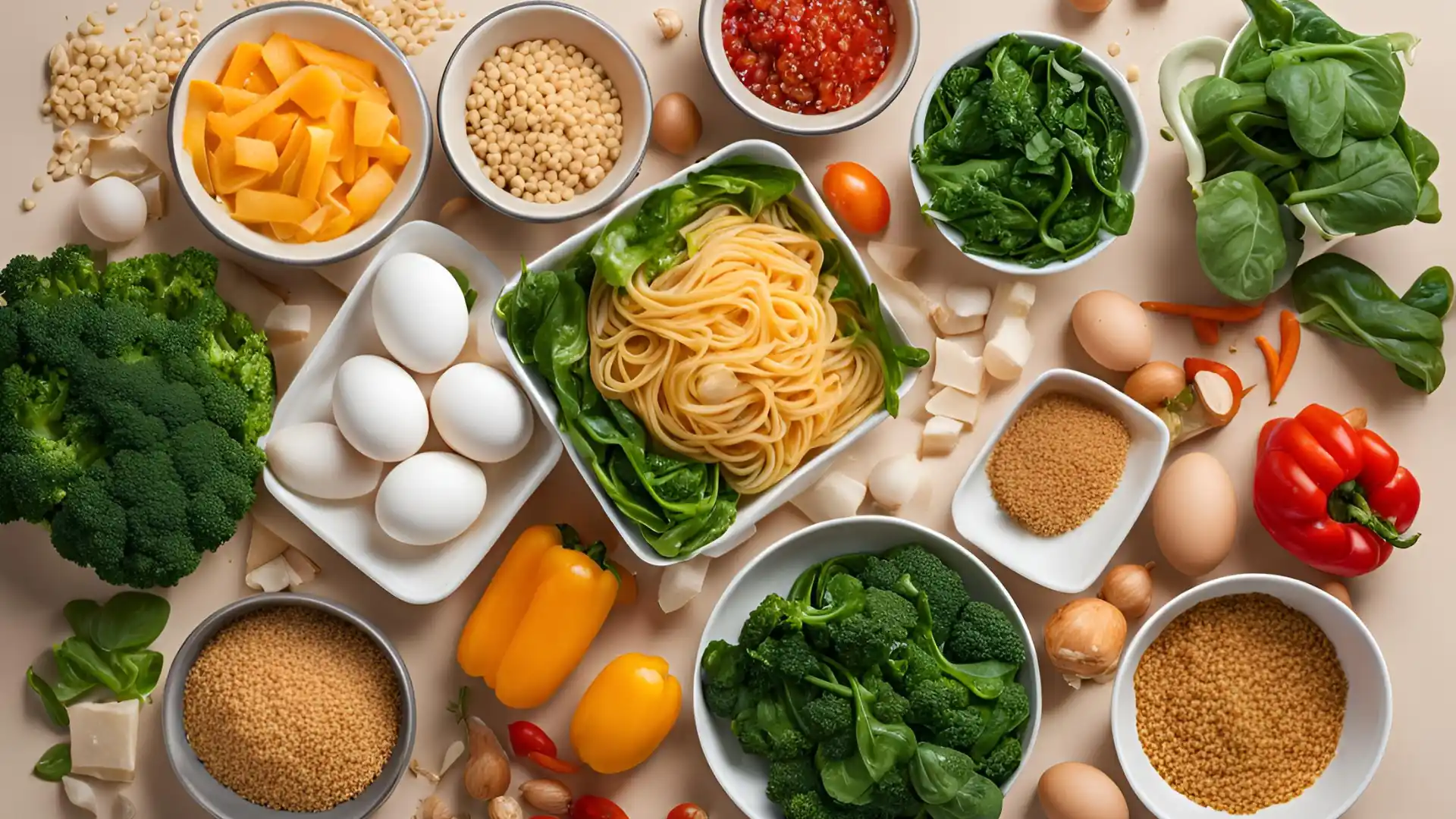
A low sodium kosher diet focuses on fresh, unprocessed foods to help manage salt intake. By avoiding heavily salted processed foods, you can maintain a healthy blood pressure. This plan emphasizes the natural flavors of kosher-certified foods without the extra sodium.
Diet plan grocery list
Diet plan overview
For those needing to cut back on salt, the kosher diet plan for low sodium diet provides a great framework. This plan focuses on naturally low-sodium foods like fresh vegetables, fruits, and lean meats, all within kosher guidelines. It avoids processed foods and encourages the use of herbs and spices to add flavor without the extra salt.
The diet is designed to be heart-friendly, helping to manage blood pressure and reduce the risk of heart disease. By carefully selecting ingredients and preparing meals at home, it becomes easier to control sodium intake while still enjoying tasty, kosher meals.

Foods to eat
- Fresh Vegetables: Broccoli, spinach, and bell peppers are low in sodium and nutrient-rich.
- Fresh Fruits: Apples, bananas, and oranges are naturally low in sodium.
- Whole Grains: Brown rice, quinoa, and barley help maintain heart health.
- Lean Proteins: Skinless chicken, fish, and tofu without added salt.
- Herbs and Spices: Basil, oregano, and rosemary add flavor without sodium.
Tip
Herbs and spices are your flavor friends! Experiment with different spice combinations to add flavor to your kosher meals without relying on added sodium.
Foods not to eat
- Processed Meats: Avoid bacon, sausages, and deli meats high in sodium.
- Canned Soups: Many canned soups have high salt content.
- Salty Snacks: Say no to chips, pretzels, and salted nuts.
- Condiments: Ketchup, soy sauce, and salad dressings often contain high levels of sodium.
- Frozen Dinners: Many frozen meals are loaded with salt as a preservative.
Main benefits
A kosher diet plan for low sodium diet naturally limits processed foods, which are often high in sodium. It encourages the use of fresh herbs and spices for flavor, reducing the need for salt. This diet includes a variety of potassium-rich fruits and vegetables, which can help balance sodium levels. Moreover, it promotes whole, unprocessed foods, contributing to overall heart health.
How to budget on this diet plan
Managing sodium intake with a kosher diet requires reading labels carefully. Cook from scratch whenever possible to control sodium content. Explore flavorful herbs and spices like garlic powder, paprika, and turmeric to add excitement to your meals without relying on salt. Frozen vegetables are typically lower in sodium than canned options, making them a budget-friendly ally. Lean protein sources like baked fish or chicken breast are naturally low in sodium and pair perfectly with affordable, low-sodium options like brown rice or quinoa.
Meal plan suggestion
Day 1
- Breakfast: Greek Yogurt with Blueberries and Almonds
- Lunch: Grilled Chicken Breast with Quinoa and Steamed Broccoli
- Dinner: Baked Salmon Fillet with Brown Rice and Sautéed Spinach
- Snack: Sliced Apples with Walnuts
Day 2
- Breakfast: Oatmeal with Sliced Bananas and Strawberries
- Lunch: Turkey Breast Slices with Whole Wheat Pasta and Steamed Carrots
- Dinner: Ground Beef Stir-Fry with Bell Peppers, Onions, and Low-Sodium Soy Sauce
- Snack: Cottage Cheese with Blueberries
Day 3
- Breakfast: Scrambled Eggs with Sautéed Spinach and Tomatoes
- Lunch: Tofu and Vegetable Stir-Fry with Brown Rice
- Dinner: Baked Chicken Breast with Quinoa and Roasted Broccoli
- Snack: Sliced Oranges with Almonds
Day 4
- Breakfast: Greek Yogurt with Strawberries and Walnuts
- Lunch: Salmon Fillet with Whole Wheat Pasta and Steamed Broccoli
- Dinner: Ground Beef Stuffed Bell Peppers with Brown Rice
- Snack: Sliced Apples with Cottage Cheese
Day 5
- Breakfast: Oatmeal with Blueberries and Almonds
- Lunch: Grilled Turkey Breast Slices with Quinoa and Steamed Carrots
- Dinner: Baked Tofu with Brown Rice and Sautéed Spinach
- Snack: Sliced Bananas with Walnuts
Day 6
- Breakfast: Scrambled Eggs with Sautéed Onions and Tomatoes
- Lunch: Chicken Breast Salad with Spinach, Bell Peppers, and Balsamic Vinegar
- Dinner: Salmon Fillet with Quinoa and Roasted Broccoli
- Snack: Greek Yogurt with Blueberries and Strawberries
Day 7
- Breakfast: Greek Yogurt with Sliced Bananas and Almonds
- Lunch: Tofu and Vegetable Stir-Fry with Brown Rice
- Dinner: Ground Beef with Whole Wheat Pasta and Steamed Carrots
- Snack: Cottage Cheese with Sliced Apples and Walnuts
Want to learn more?
Keep in mind
Other diet plans
-

Carnivore diet plan for diabetics
This diet plan on the carnivore diet for diabetic individuals is quite low on carbs while approximating almost 100 percent in protein and fats. This helps to control blood sugar levels. Avoiding sugars and most of carbs can make it possible to have diabetes well under control. It is a radical but straightforward dietary intervention which should be done with supervision and guidance from health practitioners.
-

Carnivore diet plan for healthy eating
Healthy eating in the carnivore diet plan comprises a range of nutrient-dense sourced meats, such as organs and bone broths, which contain critical vitamins and minerals. It aims to eliminate inflammatory reactions, which are characteristic of some lifestyle diseases, and cut back the diet to essential nutrients. It may seem limiting, however, it facilitates looking deeper into the quality of every piece of meat cuisine.
-

Carnivore diet plan for beginners
The following carnivore beginner’s plan is especially intended for those who are new to the carnivore way of life. It begins by eating only meat instead of animal-based foods. Just after a few weeks or so, start introducing other types of food, such as fish, poultry, and organ meat. No complicated steps involved - learn the basics of meat preparation and accommodate a new food pattern.