
Low Cholesterol diet plan for no sugar
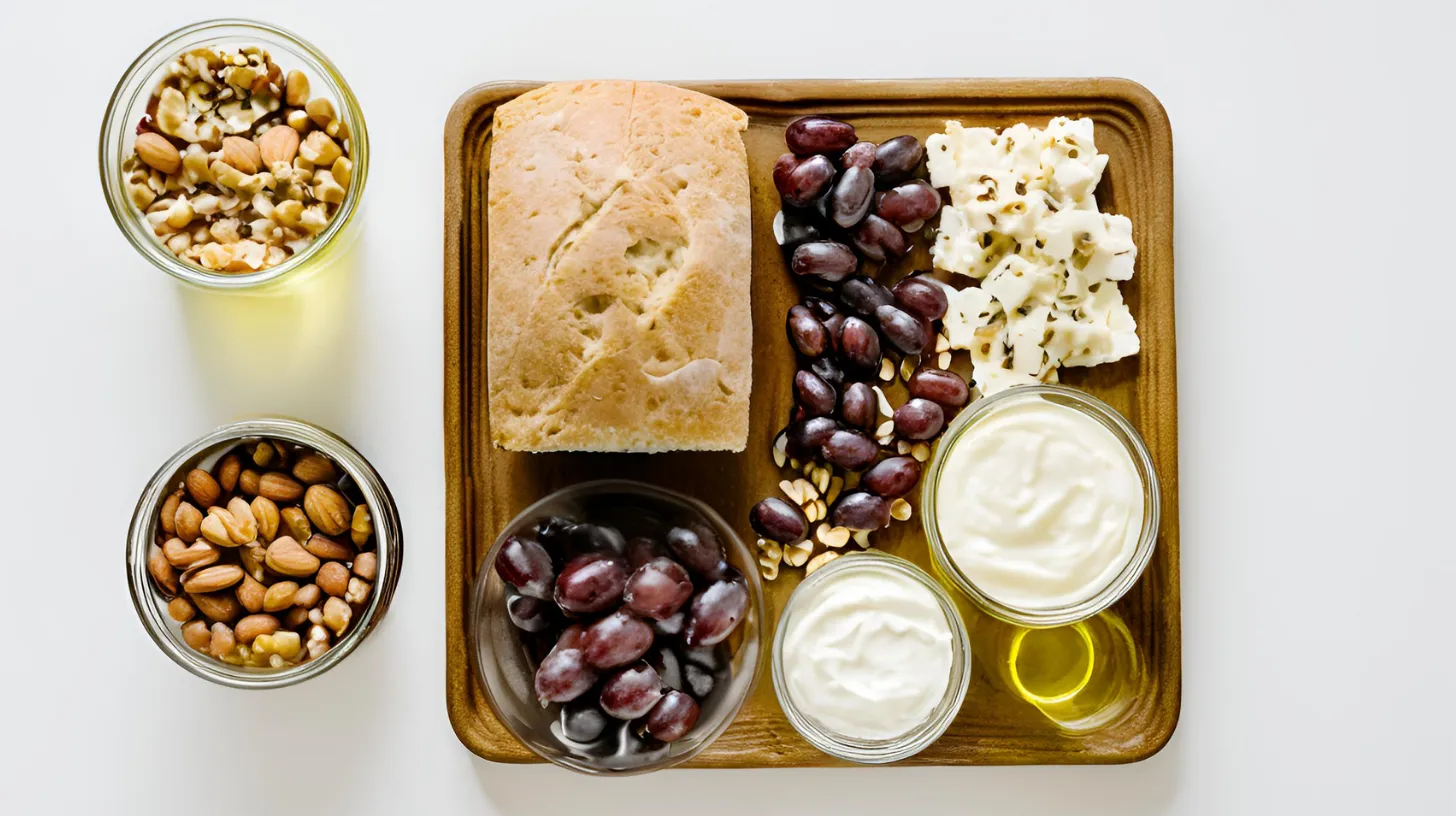
This may seem challenging, but this low cholesterol diet with no sugar can actually benefit one's health greatly. Keeping away sugary refreshments and eating lots of fiber-rich fruits and vegetables will help keep a balance not only in your level of cholesterol but also in your desires. This dual-focus diet gives an easy way to better your overall health.
Diet plan grocery list
Diet plan overview
The Low Cholesterol diet with no sugar aims at avoiding added sugar while reducing cholesterol levels for a healthy heart. Such a diet recommends taking unprocessed food in its natural state, free from any forms of added sugar, so the real taste of your food comes out. This is full of vegetables, whole grains, and lean proteins, all of them working together to bring cholesterol down and reduce cardiovascular disease.
Such a diet will increase the sensitivity of your taste buds to natural sweetnesses found in food such as fruits and some vegetables. It also allows healthier fat sources like avocados and olive oil, which further bring cholesterol levels down. Hence, what is delivered here is a heart-friendly diet that is easy in terms of eating habits yet nutritious for the body.
Foods to eat
- Lean Proteins: Skinless poultry, fish, and legumes for essential amino acids without added sugars.
- Non-Starchy Vegetables: Leafy greens, broccoli, cauliflower, and peppers for vitamins and fiber.
- Whole Grains: Brown rice, quinoa, and barley offer fiber and slow-digesting carbohydrates.
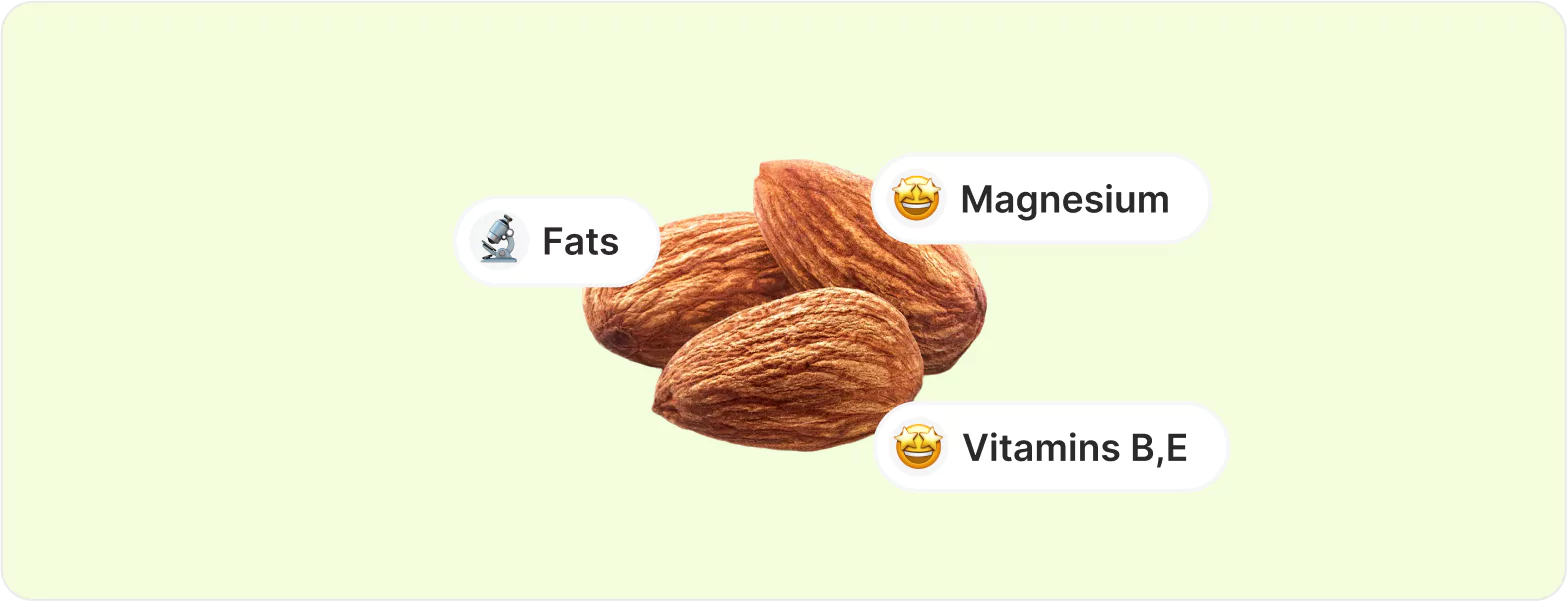
- Nuts and Seeds: Almonds, walnuts, and chia seeds for healthy fats and protein.
- Healthy Oils: Olive oil and avocado oil for monounsaturated fats that lower LDL cholesterol.
Tip
Use psyllium husk as a natural fiber supplement to support digestion while avoiding added sugars.
Foods not to eat
- Sugary Snacks and Desserts: Cakes, cookies, and candies loaded with added sugars.
- Sugar-Sweetened Beverages: Sodas, sweetened teas, and fruit juices high in empty calories.
- Processed Grains: White bread, white rice, and sugary cereals that spike blood sugar.
- Saturated Fats: Butter, cheese, and high-fat meats that can raise cholesterol levels.
- Trans Fats: Commercial baked goods and fried snacks made with hydrogenated oils.
Main benefits
The zero sugar low cholesterol diet uses plant-based sweetener alternatives like monk fruit and stevia to replace processed sugars and feed your sweet tooth, all without raising cholesterol. It increases the consumption of high-fiber food items like quinoa and chia seeds, providing the additional benefits of blood sugar control with reduced LDL cholesterol. Healthy fats like olive oil and nuts improve HDL cholesterol for a balanced lipid profile. It also focuses on citrus fruits, a good source of flavonoids, proved to have a potential role in lowering cholesterol.

How to budget on this diet plan
The challenge here will be, of course, going low-cholesterol while skipping sugar. A few savvy tricks can make a big difference here. Buy your ingredients in bulk, bypassing the pricey, packaged "sugar-free" snacks, get sweetness from nature through fruits like berries or apples, and save on pricier sugar substitutes. Opt for versatile, filling, really inexpensive pantry staples like oats, brown rice, and quinoa. Finally, batch-cook soups, stews, and chili to really stretch your dollar and keep things interesting for the week.
Meal plan suggestion
Day 1
- Breakfast: Oatmeal with blueberries and chia seeds
- Lunch: Grilled chicken breast with steamed broccoli and quinoa
- Dinner: Baked salmon with roasted Brussels sprouts and brown rice
- Snack: Apple slices with cottage cheese
Day 2
- Breakfast: Smoothie with spinach, kale, avocado, and skim milk
- Lunch: Tuna salad with bell peppers and lentils
- Dinner: Turkey breast with roasted cauliflower and carrots
- Snack: Low-fat yogurt with walnuts
Day 3
- Breakfast: Egg white omelet with spinach and bell peppers
- Lunch: Grilled cod with steamed kale and brown rice
- Dinner: Chicken breast with sautéed Brussels sprouts and quinoa
- Snack: Orange slices with almonds
Day 4
- Breakfast: Overnight oats with flaxseeds, chia seeds, and berries
- Lunch: Turkey and avocado wrap on whole wheat bread with a side of black beans
- Dinner: Salmon with roasted bell peppers and Brussels sprouts
- Snack: Grapes with low-fat yogurt
Day 5
- Breakfast: Cottage cheese with walnuts and apple slices
- Lunch: Quinoa salad with roasted cauliflower, chickpeas, and kale
- Dinner: Baked cod with steamed broccoli and brown rice
- Snack: Low-fat yogurt with flaxseeds
Day 6
- Breakfast: Egg white scramble with spinach and avocado
- Lunch: Grilled salmon with roasted Brussels sprouts and quinoa
- Dinner: Turkey breast with steamed kale and lentils
- Snack: Berries with almonds
Day 7
- Breakfast: Oatmeal with chia seeds, walnuts, and grapes
- Lunch: Tuna salad with steamed carrots and brown rice
- Dinner: Grilled chicken breast with sautéed bell peppers and cauliflower
- Snack: Orange slices with cottage cheese
Want to learn more?
Keep in mind
Other diet plans
-

Carnivore diet plan for diabetics
This diet plan on the carnivore diet for diabetic individuals is quite low on carbs while approximating almost 100 percent in protein and fats. This helps to control blood sugar levels. Avoiding sugars and most of carbs can make it possible to have diabetes well under control. It is a radical but straightforward dietary intervention which should be done with supervision and guidance from health practitioners.
-

Carnivore diet plan for healthy eating
Healthy eating in the carnivore diet plan comprises a range of nutrient-dense sourced meats, such as organs and bone broths, which contain critical vitamins and minerals. It aims to eliminate inflammatory reactions, which are characteristic of some lifestyle diseases, and cut back the diet to essential nutrients. It may seem limiting, however, it facilitates looking deeper into the quality of every piece of meat cuisine.
-

Carnivore diet plan for beginners
The following carnivore beginner’s plan is especially intended for those who are new to the carnivore way of life. It begins by eating only meat instead of animal-based foods. Just after a few weeks or so, start introducing other types of food, such as fish, poultry, and organ meat. No complicated steps involved - learn the basics of meat preparation and accommodate a new food pattern.