
Low Cholesterol diet plan for vegans
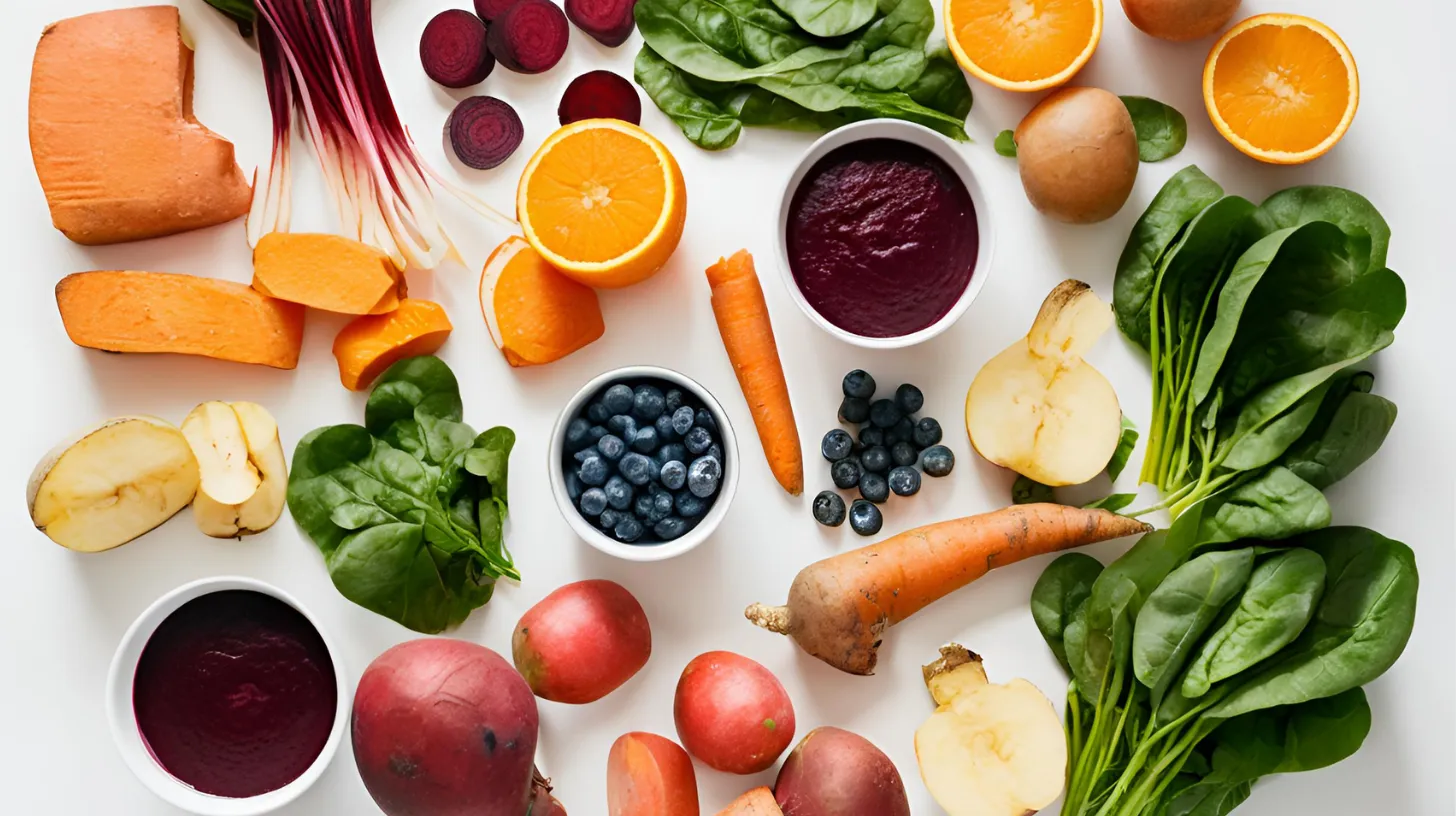
For vegans, in particular, keeping cholesterol levels low can be achieved by tuning in to your plant-based diet. This diet focuses on whole grains, nuts, and legumes, which are good for the heart and have zero animal cholesterol. It's about getting pleasure from a variety of foods that keep you healthy and your taste buds happy.
Diet plan grocery list
Diet plan overview
A vegan can follow a **Low Cholesterol diet plan** only by being very careful about the choice of plant-based food to ensure low intake of cholesterol while meeting nutrient needs. It focuses on nuts, legumes, whole grains, and as many fruits and vegetables as possible. With this diet, of course, animal products are avoided, which automatically helps in lowering cholesterol and saturated fats that are mainly taken from meat and its dairy products.
Since vegan foods are so diverse and varied, creativity in the kitchen is obligatory to create an interesting and delicious meal. It is also advised that a good intake of food rich in omega-3 fatty acids, such as flaxseeds or walnuts, contributes toward cardiac health. Such a diet will foster cardiac well-being and meet the ethical and ecological tenets of veganism.
Foods to eat
- Nuts and Seeds: Almonds, walnuts, flaxseeds, and chia seeds for healthy fats and fiber.
- Whole Grains: Brown rice, quinoa, and whole wheat pasta offer fiber to reduce cholesterol.
- Plant-Based Oils: Olive oil and avocado oil for heart-healthy monounsaturated fats.
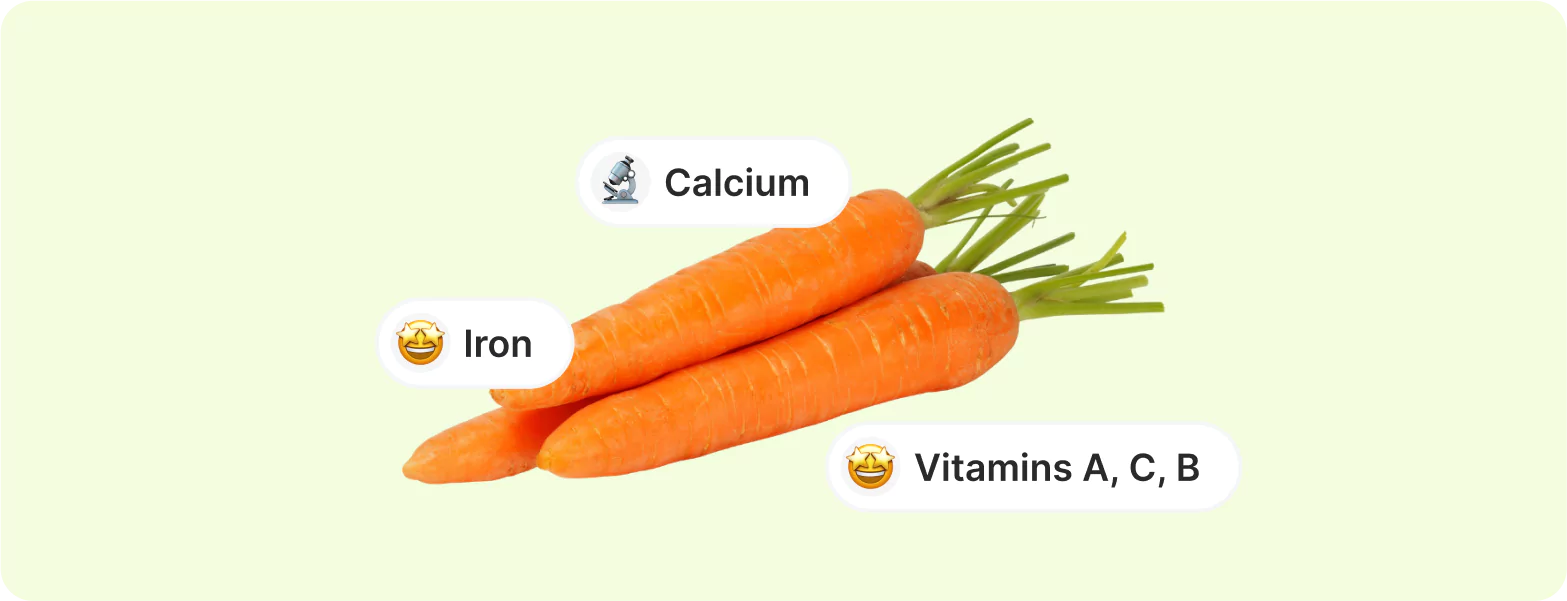
- Fruits and Vegetables: Berries, apples, kale, and carrots for antioxidants and fiber.
- Legumes: Lentils, chickpeas, and black beans are rich in protein and soluble fiber.
Tip
Swap out coconut oil for avocado oil to keep your vegan meals heart-healthy and low in cholesterol.
Foods not to eat
- Refined Grains: White flour, white rice, and sugary cereals that can spike blood sugar.
- Vegan Junk Food: Avoid highly processed meat substitutes and snacks high in sugar and fat.
- Trans Fats: Margarine and hydrogenated oils found in some packaged snacks and baked goods.
- Fried Foods: Limit fried snacks and dishes high in unhealthy fats.
- Sugar-Sweetened Beverages: Soda, fruit juice, and sweetened teas that offer empty calories.
Main benefits
The vegan low cholesterol diet plan revolves around plant-based sources of healthy fats and fiber to keep cholesterol in check. It brings forth foods high in omega-3s, flaxseed, for heart health, and fermented soy products like tempeh, which help in gut health, providing one with a delicious boost of protein. Moreover, it brings in berries and leafy greens rich in antioxidants that help in bringing down inflammation.
How to budget on this diet plan
A low cholesterol vegan diet doesn't have to break the bank if you access the power of bulk bins for grains, beans, and nuts. Lentils and chickpeas are your best friends. They're protein-rich, versatile, and dirt cheap. Explore the power of bulk bins for whole grains and inexpensive staples like lentils and chickpeas. Explore frozen veggies, too. Instead of pricey vegan cheese, do cashew-based sauces or sprinkle some nutritional yeast for that cheese flavor. Don't be afraid of DIY. Home-made hummus, granola, and oat milk can save you a pretty penny.
Meal plan suggestion
Day 1
- Breakfast: Overnight oats with almond milk, chia seeds, blueberries, and walnuts
- Lunch: Quinoa salad with spinach, cucumber, bell peppers, and avocado, dressed with olive oil and lemon
- Dinner: Lentil stew with carrots, tomatoes, garlic, onions, and kale
- Snack: Apple slices with almond butter
Day 2
- Breakfast: Soy yogurt parfait with strawberries, bananas, flaxseeds, and walnuts
- Lunch: Tofu stir-fry with brown rice, broccoli, zucchini, and bell peppers
- Dinner: Stuffed sweet potatoes with tempeh, spinach, and avocado
- Snack: Orange wedges and almonds
Day 3
- Breakfast: Quinoa porridge with almond milk, blueberries, chia seeds, and almonds
- Lunch: Chickpea and kale salad with olive oil and lemon dressing
- Dinner: Grilled tempeh with roasted Brussels sprouts, beets, and carrots
- Snack: Banana and walnut smoothie
Day 4
- Breakfast: Spinach and avocado smoothie with flaxseeds
- Lunch: Brown rice bowl with chickpeas, tomatoes, onions, and kale
- Dinner: Tofu curry with quinoa, broccoli, and zucchini
- Snack: Cucumber sticks and hummus
Day 5
- Breakfast: Oatmeal with strawberries, bananas, chia seeds, and almonds
- Lunch: Lentil and spinach soup with garlic and onions
- Dinner: Stuffed bell peppers with quinoa, kale, and tempeh
- Snack: Orange wedges and walnuts
Day 6
- Breakfast: Soy yogurt with blueberries, flaxseeds, and walnuts
- Lunch: Chickpea salad with cucumber, tomatoes, onions, and avocado
- Dinner: Grilled tofu with roasted sweet potatoes, Brussels sprouts, and carrots
- Snack: Banana and almond butter
Day 7
- Breakfast: Quinoa porridge with almond milk, chia seeds, and blueberries
- Lunch: Spinach and kale salad with tempeh, bell peppers, and avocado, dressed with olive oil and lemon
- Dinner: Lentil stew with brown rice, broccoli, and zucchini
- Snack: Apple slices with walnuts
Want to learn more?
Keep in mind
Other diet plans
-

Carnivore diet plan for diabetics
This diet plan on the carnivore diet for diabetic individuals is quite low on carbs while approximating almost 100 percent in protein and fats. This helps to control blood sugar levels. Avoiding sugars and most of carbs can make it possible to have diabetes well under control. It is a radical but straightforward dietary intervention which should be done with supervision and guidance from health practitioners.
-

Carnivore diet plan for healthy eating
Healthy eating in the carnivore diet plan comprises a range of nutrient-dense sourced meats, such as organs and bone broths, which contain critical vitamins and minerals. It aims to eliminate inflammatory reactions, which are characteristic of some lifestyle diseases, and cut back the diet to essential nutrients. It may seem limiting, however, it facilitates looking deeper into the quality of every piece of meat cuisine.
-

Carnivore diet plan for beginners
The following carnivore beginner’s plan is especially intended for those who are new to the carnivore way of life. It begins by eating only meat instead of animal-based foods. Just after a few weeks or so, start introducing other types of food, such as fish, poultry, and organ meat. No complicated steps involved - learn the basics of meat preparation and accommodate a new food pattern.