
Low Cholesterol diet plan for vegetarians
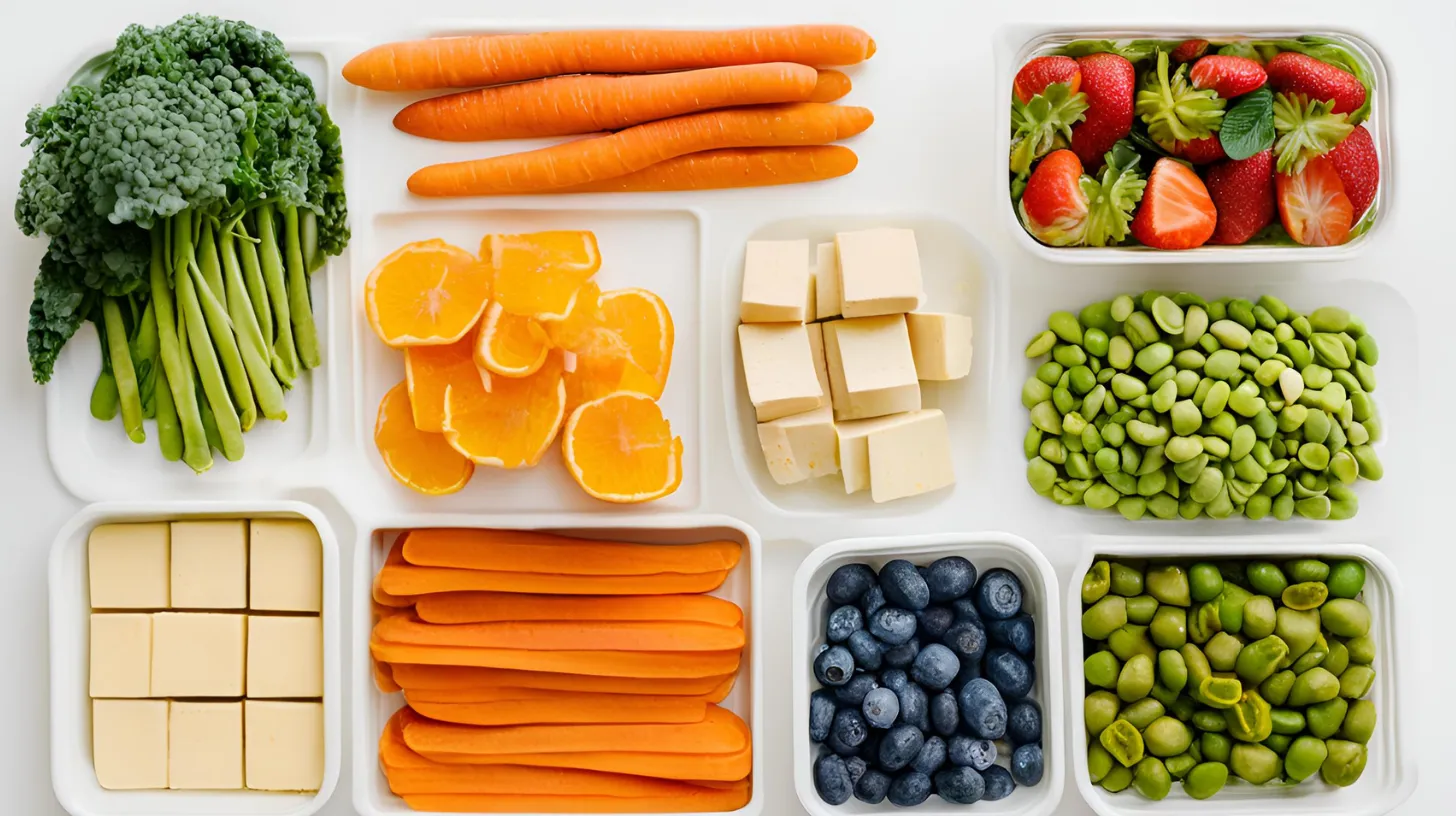
With the natural, plant-based diets, vegetarians have a slight advantage in the pursuit of bringing down one's cholesterol levels. This plan focuses on avoiding rich animal products in cholesterol and helps you enrich your diet with much more fruits, vegetables, and whole grains. That is a healthy way to look after your heart and relish healthy, deliciously different meals.
Diet plan grocery list
Diet plan overview
The vegetarian low cholesterol diet plan is specifically designed for those people who do not prefer to have meat. This diet contains huge amounts of plant-based sources of protein like legumes, tofu, and quinoa, which help in keeping cholesterol under control. Basically, it deals with whole, unprocessed foods; all of these not only help bring down the cholesterol level but also in improving general health.
This will, therefore, be enriching for vegetarians, who will be exposed to varieties of fruits, vegetables, nuts, and seeds, the diet essentials. It is also very important that an inclusion of soluble fiber with sources such as oats and apples plays a great role in the management of cholesterol.
Foods to eat
- Legumes: Black beans, lentils, and chickpeas are essential sources of plant-based protein.
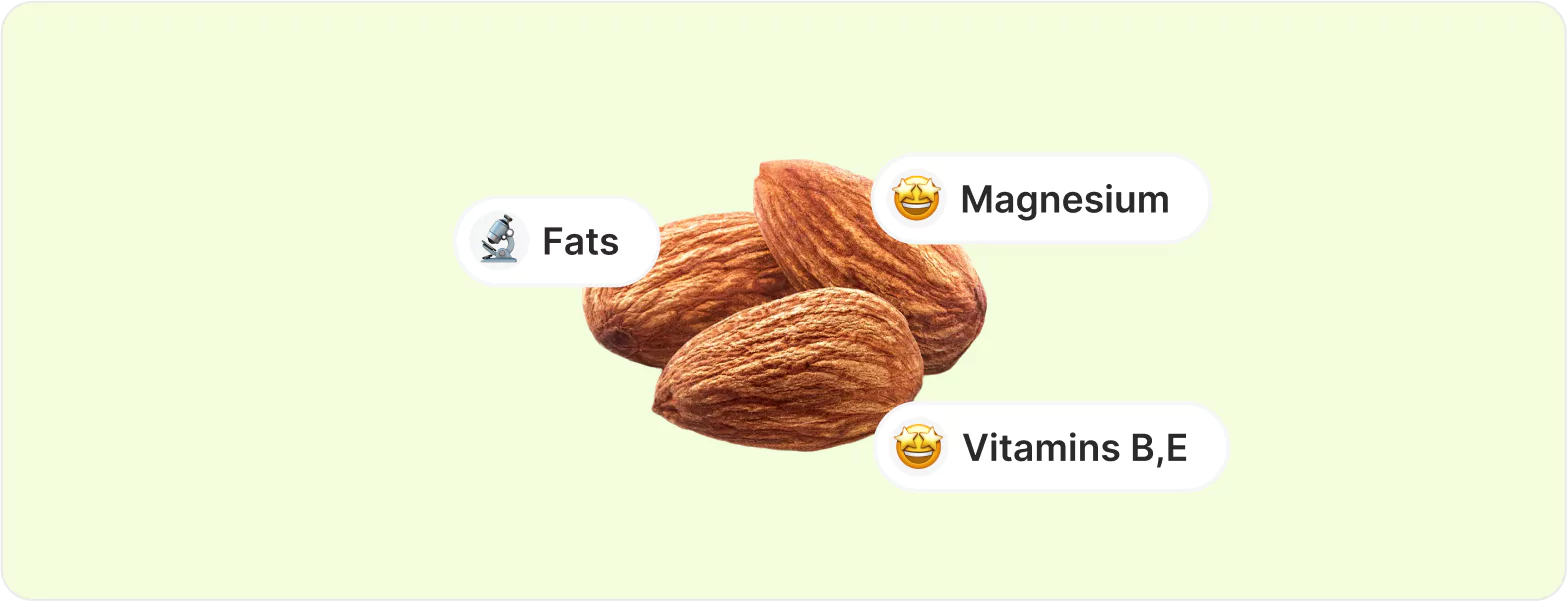
- Nuts and Seeds: Chia seeds, hemp seeds, and almonds for fiber and healthy fats.
- Whole Grains: Brown rice, quinoa, and millet provide fiber and complex carbohydrates.
- Soy Products: Tofu, tempeh, and edamame are high-protein and versatile in meals.
- Fruits and Vegetables: Colorful veggies and fruits for a range of vitamins and antioxidants.
Tip
Add mushrooms to your meals as a meaty stand-in that helps slash cholesterol levels while keeping vegetarian dishes savory and satisfying.
Foods not to eat
- Full-Fat Dairy: Avoid whole milk, cheese, and cream due to high saturated fats.
- Refined Grains: White rice, pasta, and bread can cause rapid spikes in blood sugar.
- Processed Soy Products: Soy nuggets and "mock meats" often contain excess sodium and unhealthy additives.
- Sugary Snacks: Pastries, candies, and ice cream are packed with added sugars.
- Fried Foods: Veggie tempura and fried snacks add unnecessary fats to your diet.
Main benefits
The low cholesterol diet plan for vegetarians revolves around plant-based proteins such as lentils and chickpeas, rich in soluble fiber to help flush out cholesterol. Avocados and walnuts supply monounsaturated fats that bring down the level of LDL cholesterol without adding animal products. Fortified foods like plant-based milk provide vitamins D and B12, both crucial for vegetarians on a heart-friendly diet. Moreover, antioxidant-rich berries and dark chocolate keep the diet tasty while protective against inflammation.
How to budget on this diet plan
Vegetarian meals on a low cholesterol diet can be affordable if you rely on bulk buys like lentils and chickpeas. Tofu is another inexpensive protein source that pairs well with stir-fries or salads. For veggies, frozen options often cost less than fresh, and they’re just as nutritious. Make your own nut butters for a heart-healthy spread without the gourmet price tag.
Meal plan suggestion
Day 1
- Breakfast: Oatmeal with flaxseeds, chia seeds, and blueberries
- Lunch: Quinoa salad with spinach, tomatoes, chickpeas, and olive oil
- Dinner: Grilled tempeh with steamed broccoli, brown rice, and kale
- Snack: Strawberries and walnuts
Day 2
- Breakfast: Whole wheat toast with avocado and edamame
- Lunch: Lentil soup with carrots, kale, and tomatoes
- Dinner: Stir-fried tofu with zucchini, bell peppers, and brown rice
- Snack: Cottage cheese with apple slices and almonds
Day 3
- Breakfast: Soy milk smoothie with banana, strawberries, and flaxseeds
- Lunch: Tempeh wrap with kale, tomatoes, and avocado in whole wheat bread
- Dinner: Grilled eggplant with quinoa, green peas, and broccoli
- Snack: Low-fat yogurt with blueberries and walnuts
Day 4
- Breakfast: Chia seed pudding with soy milk, blueberries, and almonds
- Lunch: Zucchini noodles with edamame, spinach, and tomatoes
- Dinner: Lentil curry with brown rice and steamed cauliflower
- Snack: Orange slices and walnuts
Day 5
- Breakfast: Oatmeal with soy milk, chia seeds, and strawberries
- Lunch: Chickpea and quinoa salad with kale, tomatoes, and avocado
- Dinner: Stir-fried tempeh with bell peppers, zucchini, and brown rice
- Snack: Cottage cheese with blueberries and almonds
Day 6
- Breakfast: Smoothie bowl with soy milk, banana, chia seeds, and walnuts
- Lunch: Tofu and broccoli stir-fry with quinoa and edamame
- Dinner: Grilled eggplant with spinach, carrots, and brown rice
- Snack: Low-fat yogurt with apple slices and flaxseeds
Day 7
- Breakfast: Whole wheat toast with avocado, almond butter, and bananas
- Lunch: Spinach and chickpea salad with tomatoes, carrots, and olive oil
- Dinner: Tempeh curry with quinoa, green peas, and cauliflower
- Snack: Strawberries and almonds
Want to learn more?
Keep in mind
Other diet plans
-

Carnivore diet plan for diabetics
This diet plan on the carnivore diet for diabetic individuals is quite low on carbs while approximating almost 100 percent in protein and fats. This helps to control blood sugar levels. Avoiding sugars and most of carbs can make it possible to have diabetes well under control. It is a radical but straightforward dietary intervention which should be done with supervision and guidance from health practitioners.
-

Carnivore diet plan for healthy eating
Healthy eating in the carnivore diet plan comprises a range of nutrient-dense sourced meats, such as organs and bone broths, which contain critical vitamins and minerals. It aims to eliminate inflammatory reactions, which are characteristic of some lifestyle diseases, and cut back the diet to essential nutrients. It may seem limiting, however, it facilitates looking deeper into the quality of every piece of meat cuisine.
-

Carnivore diet plan for beginners
The following carnivore beginner’s plan is especially intended for those who are new to the carnivore way of life. It begins by eating only meat instead of animal-based foods. Just after a few weeks or so, start introducing other types of food, such as fish, poultry, and organ meat. No complicated steps involved - learn the basics of meat preparation and accommodate a new food pattern.