
Low Cholesterol diet plan for weight loss
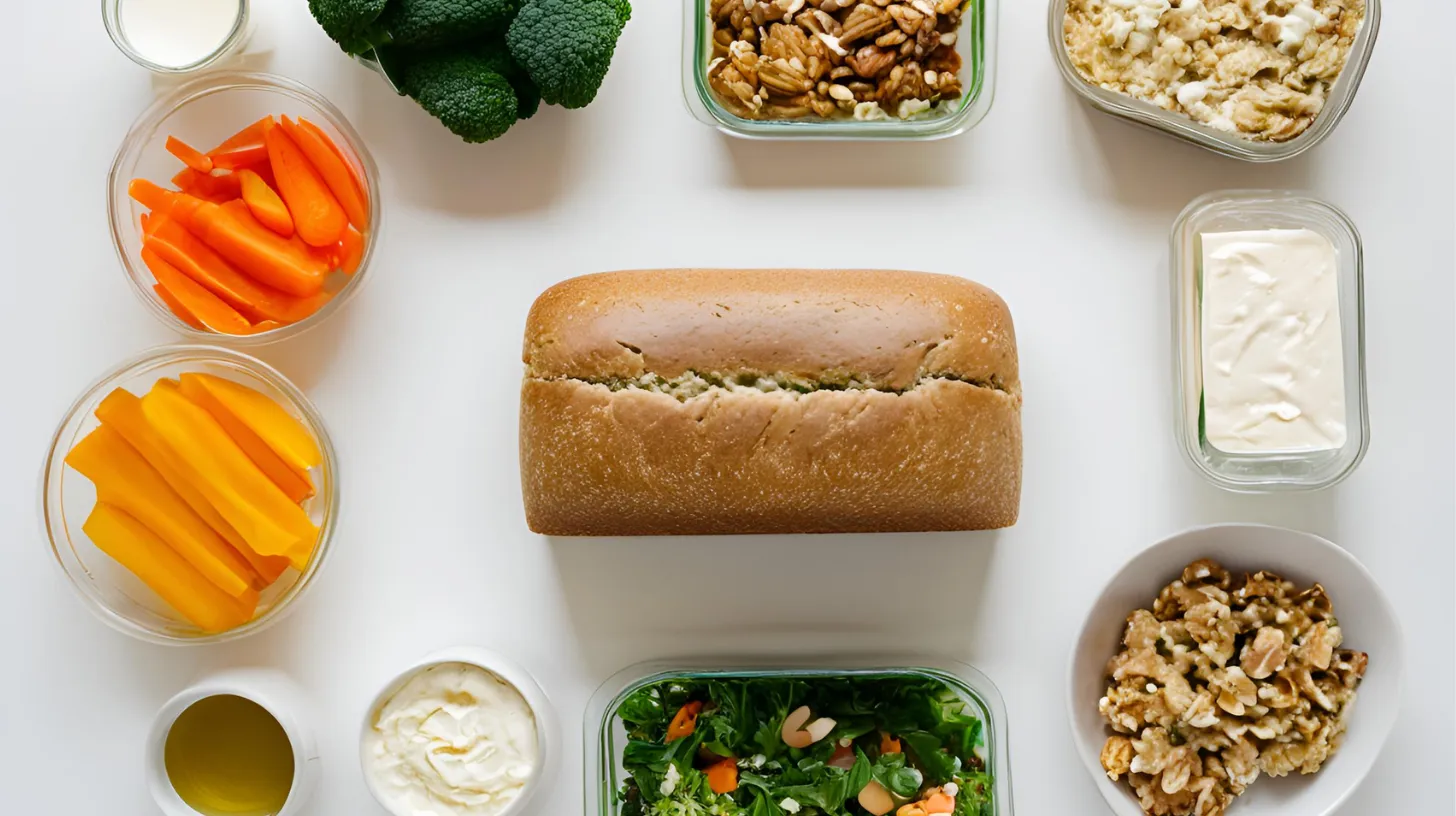
This diet can work wonders for people who want to shed some extra pounds and, at the same time, keep cholesterol at bay. Such a low-cholesterol diet will help one drive toward healthier fats and leaner proteins. It's not about losing, it's about gaining health.
Diet plan grocery list
Diet plan overview
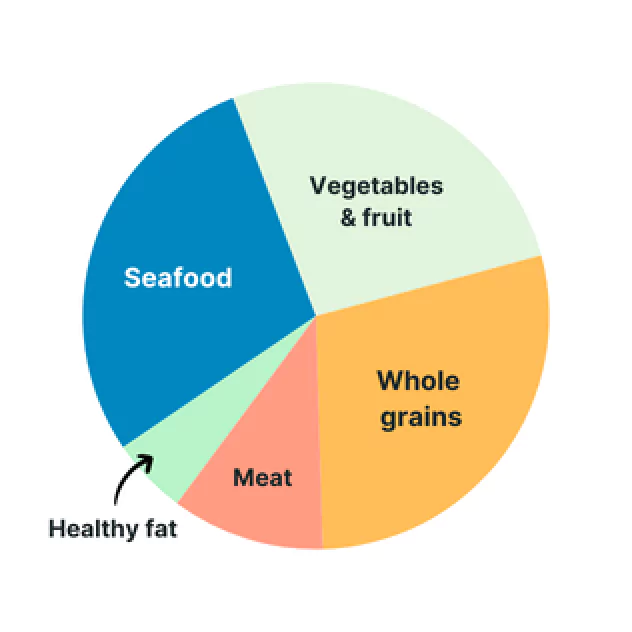
The weight loss low-cholesterol diet plan embraces weight loss and cholesterol management together. Foods emphasized in this diet would be ones that are low in calories, low in cholesterol, but at the same time, nutrient-dense and high in fiber and proteins so as to keep a person full for longer. It encourages the eating of fruits, vegetables, whole grains, and lean proteins, all contributors to the level of cholesterol and one's weight loss.
Hereafter, it proceeds toward sustainable eating habits, including portion size and avoiding sugary drinks and foods. The diet comes attached with moderate exercises, which add cardiovascular health and increased metabolism for sustainable weight reduction.
Foods to eat
- Lean Proteins: Chicken breast, turkey, and fish help build muscle while being low in fat.
- Legumes: Beans and lentils are rich in fiber and protein, promoting satiety.
- Fruits: Apples, berries, and grapefruit provide natural sweetness and fiber.
- Vegetables: Leafy greens, peppers, and cruciferous veggies are low in calories and high in nutrients.
- Whole Grains: Brown rice, quinoa, and oats provide sustained energy with fiber.
Tip
Swap sour cream for Greek yogurt in dips to slash calories while keeping it creamy.
Foods not to eat
- Refined Carbohydrates: White bread and pasta can spike blood sugar levels.
- Sugary Drinks: Soda and fruit juices add empty calories without satiety.
- Fried Foods: Fried chicken and fries are high in unhealthy fats.
- Sweets and Pastries: Cakes, cookies, and doughnuts are loaded with sugar and fat.
- Alcohol: Contains empty calories and can interfere with metabolism.
Main benefits
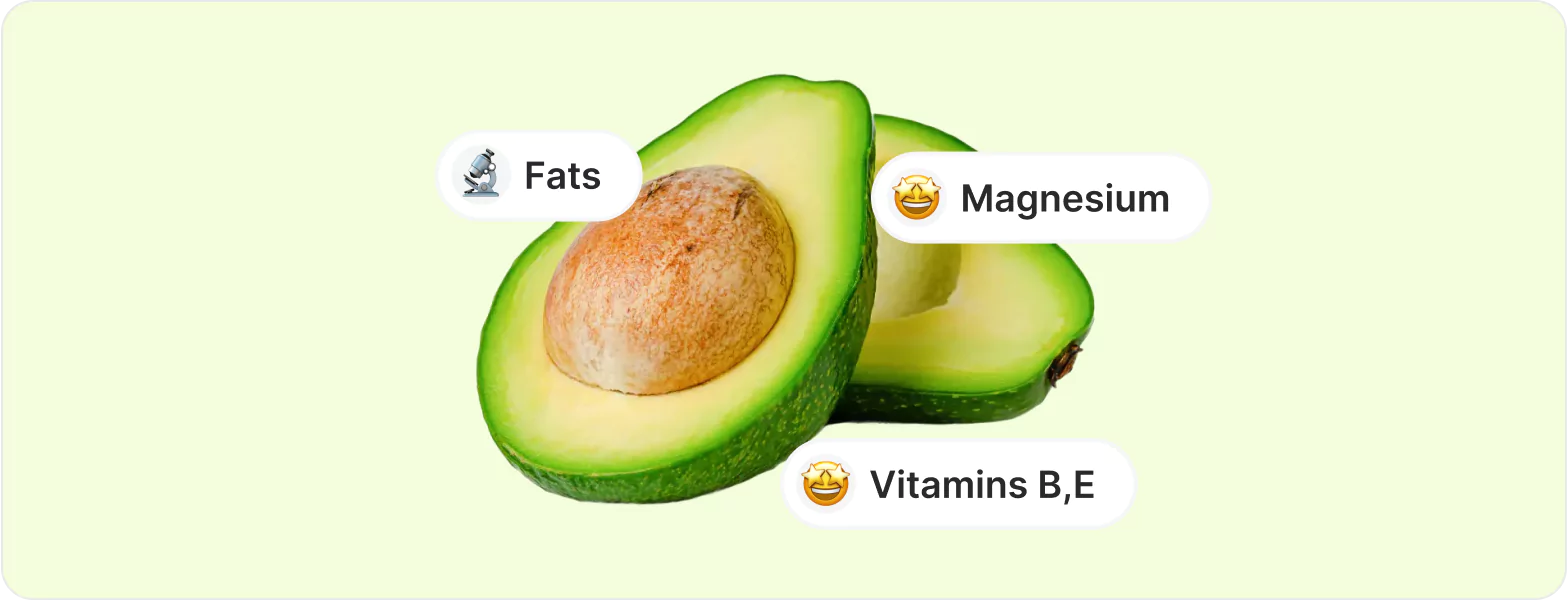
The low cholesterol diet plan for weight loss is based on the use of high-fiber foods like legumes and whole grains that suppress appetite and help in keeping cholesterol in control. Healthy fats derived from olive oil and avocados work on raising the metabolism while maintaining heart health. Protein-rich salmon and chicken give the required muscle-building nutrients without any excess fat. Due to much intake of nutrient-dense food, this diet will have you lose weight without having to compromise the flavor.
How to budget on this diet plan
To keep your cholesterol low and your wallet happy, try cooking in bulk with fiber-rich legumes like lentils and chickpeas. Whole-grain oats, quinoa, and barley offer filling, low-cost options to expensive superfoods. Swap sugary snacks for fresh fruit, which can be found on sale in season. And don't overlook local farmers' markets for affordable produce. You might find a hidden gem or two.
Meal plan suggestion
Day 1
- Breakfast: Oatmeal with berries, chia seeds, and skim milk
- Lunch: Quinoa salad with kale, tomatoes, chickpeas, and olive oil vinaigrette
- Dinner: Grilled salmon, brown rice, and steamed broccoli
- Snack: Apple slices with almond butter
Day 2
- Breakfast: Greek yogurt parfait with flaxseeds, walnuts, and bananas
- Lunch: Whole wheat bread sandwich with turkey breast, spinach, and avocado
- Dinner: Skinless chicken breast stir-fried with bell peppers, carrots, and edamame
- Snack: Orange slices and cottage cheese
Day 3
- Breakfast: Smoothie with skim milk, spinach, berries, and chia seeds
- Lunch: Tuna salad with kale, black beans, tomatoes, and olive oil dressing
- Dinner: Grilled tofu with quinoa, kale, and roasted bell peppers
- Snack: Almonds and a banana
Day 4
- Breakfast: Scrambled eggs with spinach, tomatoes, and whole wheat toast
- Lunch: Lentil stew with carrots, tomatoes, and kale
- Dinner: Baked salmon with brown rice and steamed broccoli
- Snack: Cottage cheese with berries
Day 5
- Breakfast: Overnight oats with flaxseeds, walnuts, and apples
- Lunch: Tofu and edamame stir-fry with quinoa, kale, and bell peppers
- Dinner: Grilled turkey breast with brown rice and roasted carrots
- Snack: Orange slices and almonds
Day 6
- Breakfast: Greek yogurt with chia seeds, berries, and almond slivers
- Lunch: Black bean salad with kale, tomatoes, and olive oil vinaigrette
- Dinner: Skinless chicken breast with quinoa, spinach, and roasted bell peppers
- Snack: Banana slices with almond butter
Day 7
- Breakfast: Smoothie bowl with skim milk, spinach, berries, and chia seeds
- Lunch: Lentil and chickpea stew with kale and carrots
- Dinner: Grilled salmon with brown rice and steamed broccoli
- Snack: Cottage cheese with walnuts and apple slices
Want to learn more?
Keep in mind
Other diet plans
-

Carnivore diet plan for diabetics
This diet plan on the carnivore diet for diabetic individuals is quite low on carbs while approximating almost 100 percent in protein and fats. This helps to control blood sugar levels. Avoiding sugars and most of carbs can make it possible to have diabetes well under control. It is a radical but straightforward dietary intervention which should be done with supervision and guidance from health practitioners.
-

Carnivore diet plan for healthy eating
Healthy eating in the carnivore diet plan comprises a range of nutrient-dense sourced meats, such as organs and bone broths, which contain critical vitamins and minerals. It aims to eliminate inflammatory reactions, which are characteristic of some lifestyle diseases, and cut back the diet to essential nutrients. It may seem limiting, however, it facilitates looking deeper into the quality of every piece of meat cuisine.
-

Carnivore diet plan for beginners
The following carnivore beginner’s plan is especially intended for those who are new to the carnivore way of life. It begins by eating only meat instead of animal-based foods. Just after a few weeks or so, start introducing other types of food, such as fish, poultry, and organ meat. No complicated steps involved - learn the basics of meat preparation and accommodate a new food pattern.