
Meal Plan For Elimination Diet

Dealing with food sensitivities? Our 7-day elimination diet meal plan is designed to help identify triggers. We'll guide you through a week of clean eating and show you how to create a shopping list that suits your dietary needs. Let's start this journey of discovery and health!
Meal plan grocery list
 Meats
 Dairy & eggs
 Fish & seafood
 Fresh grocery
 Dry goods
 Beverages
Meal plan overview
Dealing with food sensitivities? Our 7-day elimination diet meal plan helps identify triggers. It's a journey of clean eating designed to suit your dietary needs.
Discover what works for your body and what doesn't, with a plan that's as informative as it is nourishing.
Foods to eat
- Non-Allergenic Proteins: Turkey, chicken, lamb, fish, and tofu for a low allergy risk.
- Non-Citrus Fruits: Apples, pears, and berries for low allergenicity.
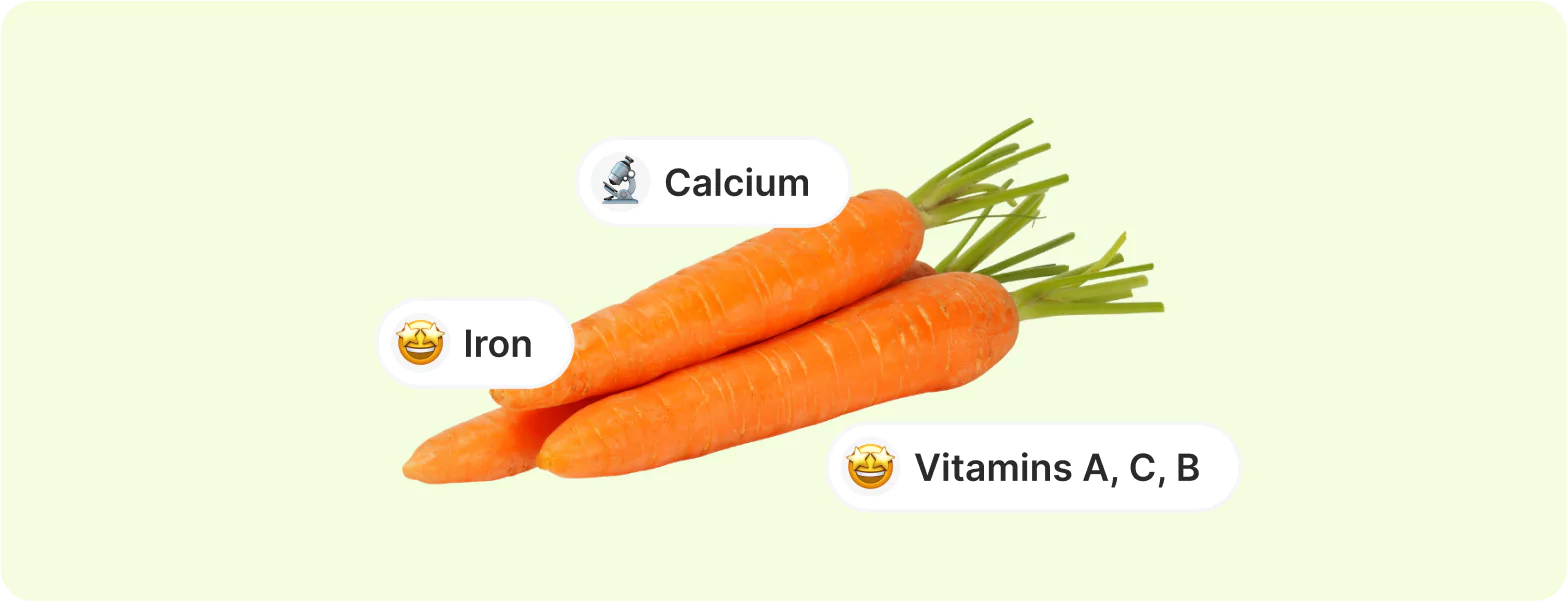
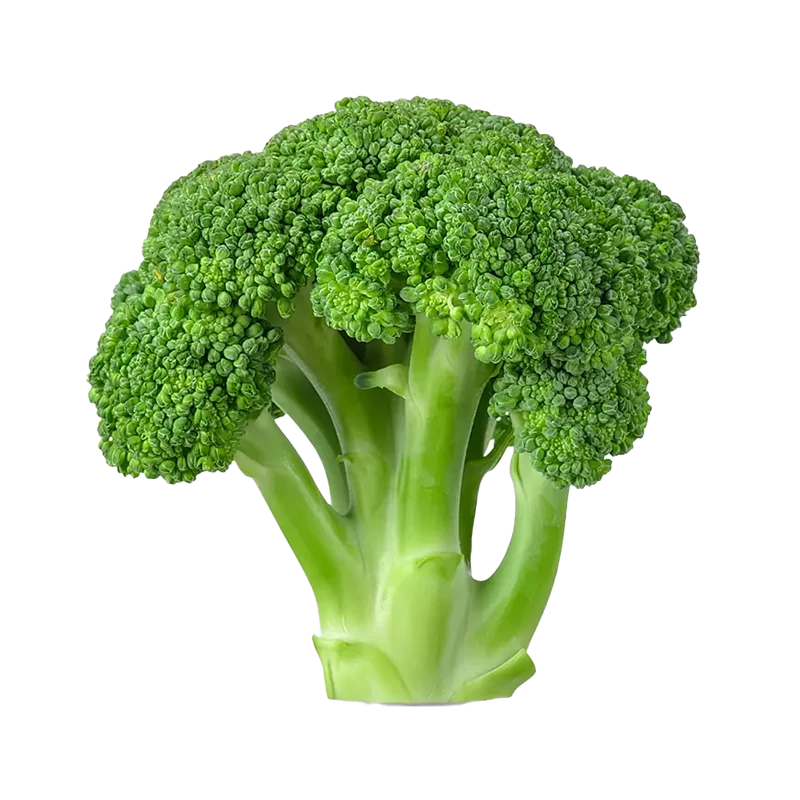
- Non-Nightshade Vegetables: Leafy greens, carrots, zucchini, and sweet potatoes for low allergy potential.
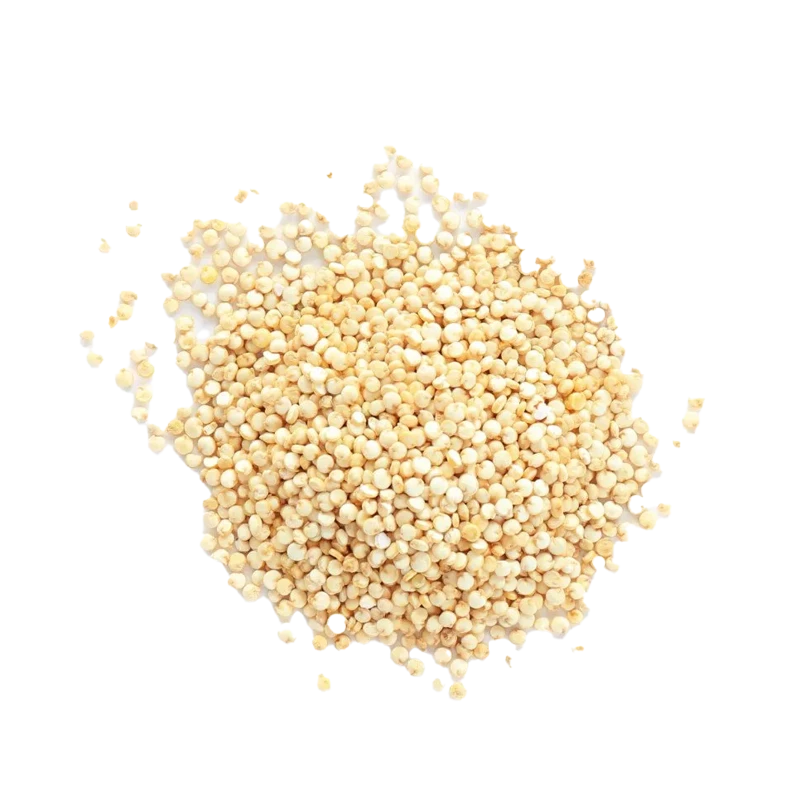
- Gluten-Free Whole Grains: Quinoa, rice, oats (if tolerated), and gluten-free options for variety.
- Healthy Fats: Avocado, olive oil, and coconut oil for essential fatty acids.
- Non-Dairy Alternatives: Almond milk, coconut milk, and other non-dairy options for those avoiding dairy.
- Herbs and Spices: Use herbs and spices for flavor without common allergens.
- Hydration: Water, herbal tea, and non-citrus infused water for adequate hydration.
- Consult a Professional: Consider working with a dietitian to plan a well-balanced elimination diet.
Tip
Keep a detailed food diary to track what you eat and any symptoms, to help identify potential food sensitivities.
Foods not to eat
- Common Allergens: Wheat, dairy, eggs, soy, nuts, and shellfish to identify potential allergens.
- Citrus Fruits: Oranges, lemons, and grapefruits due to potential allergenicity.
- Nightshade Vegetables: Tomatoes, eggplants, peppers, and potatoes for those sensitive to nightshades.
- Processed Foods: Minimize intake of processed foods with hidden allergens and additives.
- Artificial Additives: Avoid artificial colors, flavors, and preservatives during the elimination phase.
- Caffeine and Alcohol: Temporarily eliminate caffeine and alcohol to observe their impact on well-being.
- High-Sugar Foods: Minimize intake of high-sugar foods and beverages during the elimination period.
- Unplanned Cheating: Strictly adhere to the elimination plan without deviating to accurately assess results.
- Consult a Professional: Work with a healthcare professional or dietitian to ensure a nutritionally adequate elimination diet.
Read more about key products


Main benefits
The Meal Plan For Elimination Diet is a structured approach to identify and eliminate potential food triggers. This meal plan involves removing common allergens and irritants, allowing the body to reset and identify specific sensitivities. By focusing on whole, minimally processed foods, the plan supports digestion and reduces inflammation. Gradual reintroduction of eliminated foods helps individuals identify and manage adverse reactions, promoting long-term digestive health and overall well-being.
Recommended nutrient breakdown
- Protein: 20%
- Fat: 22%
- Carbs: 52%
- Fiber: 4%
- Other: 2%
How to budget on this meal plan
To budget effectively for an elimination diet, prioritize buying whole, unprocessed foods in bulk, such as rice, quinoa, and oats. Choose less expensive cuts of meat like chicken thighs or pork tenderloin and consider buying them in larger quantities to freeze for later use. Opt for seasonal fruits and vegetables to get better prices and quality. Frozen produce like berries and spinach can be a cost-effective alternative to fresh, with similar nutritional value. Homemade alternatives to dairy milk, like rice or coconut milk, can be cheaper and suitable for this diet. Planning meals around sales and seasonal availability will further help in reducing costs.
Packed with vitamins, minerals, and antioxidants:


Extra tips
Any healthy snack ideas?
Simple, allergen-free snacks for an elimination diet:
- Rice cakes with avocado
- Baked sweet potato
- Homemade fruit salad
- Steamed vegetables with olive oil
- Plain rice and boiled chicken
- Quinoa with roasted vegetables
- Fresh melon slices
What should I drink on this meal plan?
For an elimination diet, sticking to plain water is safest to avoid any potential allergens. Herbal teas are a good option, provided the ingredients are not part of the elimination. Freshly squeezed juices from allowed fruits or vegetables are fine. Rice milk is a safe, allergen-free alternative. Coconut water can be included for electrolytes and hydration.
How to get even more nutrients?
An elimination diet, which aims to identify food sensitivities, involves removing certain foods thought to trigger symptoms and gradually reintroducing them to monitor reactions. During this diet, maintain a balanced intake by focusing on safe foods that provide ample protein, fiber, and healthy fats. Utilize sources like lean meats, gluten-free grains, and hypoallergenic fruits and vegetables to ensure nutritional needs are met without causing adverse reactions.
Meal plan suggestion
Day 1
- Breakfast: Rice porridge with sliced pears
- Lunch: Grilled chicken with quinoa and steamed broccoli
- Dinner: Baked salmon with roasted sweet potatoes and green beans
- Calories 🔥: 1800 Fat 💧: 50g Carbs 🌾: 190g Protein 🥩: 110g
Day 2
- Breakfast: Smoothie with rice milk, banana, and spinach
- Lunch: Turkey breast with brown rice and steamed carrots
- Dinner: Grilled lamb chops with quinoa and roasted zucchini
- Calories 🔥: 1850 Fat 💧: 55g Carbs 🌾: 180g Protein 🥩: 115g
Day 3
- Breakfast: Oatmeal (gluten-free) with blueberries
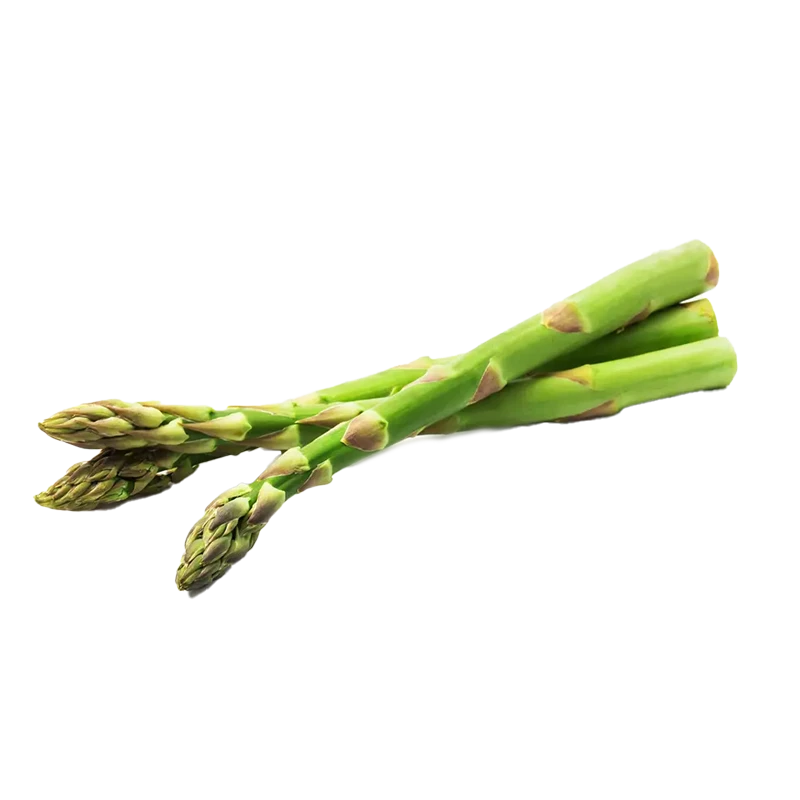
- Lunch: Baked cod with sweet potato mash and steamed asparagus
- Dinner: Roast chicken with brown rice and steamed green beans
- Calories 🔥: 1800 Fat 💧: 52g Carbs 🌾: 185g Protein 🥩: 110g
Day 4
- Breakfast: Rice cakes with avocado
- Lunch: Grilled shrimp with quinoa salad (mixed greens, cucumber, olive oil)
- Dinner: Beef stir-fry with bell peppers and brown rice
- Calories 🔥: 1850 Fat 💧: 60g Carbs 🌾: 175g Protein 🥩: 105g
Day 5
- Breakfast: Smoothie with coconut milk, banana, and chia seeds
- Lunch: Roasted turkey with quinoa and steamed Brussels sprouts
- Dinner: Grilled halibut with roasted butternut squash and steamed kale
- Calories 🔥: 1800 Fat 💧: 50g Carbs 🌾: 185g Protein 🥩: 110g
Day 6
- Breakfast: Buckwheat pancakes with maple syrup
- Lunch: Chicken salad with mixed greens, cucumber, and olive oil dressing
- Dinner: Pork tenderloin with sweet potato fries and steamed broccoli
- Calories 🔥: 1850 Fat 💧: 58g Carbs 🌾: 180g Protein 🥩: 105g
Day 7
- Breakfast: Fruit salad with melon, grapes, and strawberries
- Lunch: Baked trout with wild rice and steamed spinach
- Dinner: Roasted duck with quinoa and roasted parsnips
- Calories 🔥: 1800 Fat 💧: 55g Carbs 🌾: 190g Protein 🥩: 110g
These values are approximate and can vary slightly based on specific portion sizes and preparation methods.
Want to learn more?
Keep in mind
Other meal plans
-

7-day Meal Plan For Mediterranean Diet
Embarking on a Mediterranean journey? You're in for a treat! Discover the secrets of a 7-day Mediterranean diet meal plan and how it can invigorate your health. This article will guide you through a flavorful world of nutritious foods and show you how to turn these meals into an efficient shopping list. Let's set sail!
-

7-day Meal Plan For Weight Loss
Ready to kickstart your weight loss journey? A 7-day meal plan tailored for weight loss could be your golden ticket. In this article, we'll explore how to craft a weight loss meal plan that's both delicious and effective for shedding pounds, plus tips on transforming it into a smart shopping list. Time to get excited about your health goals!
-

7-day Meal Plan For Diabetics
Managing diabetes with diet doesn't have to be daunting. Learn how a 7-day meal plan can help control your blood sugar and improve overall health. We'll guide you through creating diabetic-friendly meals and turning them into a simple shopping list. Let's make healthy eating a breeze!