
Meal Plan For No Sugar Diet
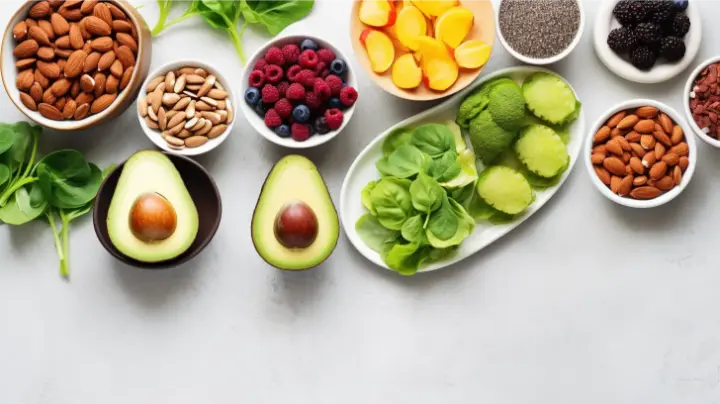
Considering a no-sugar diet? Explore our guide featuring a meal plan for a sugar-free lifestyle. This plan emphasizes whole, unprocessed foods, allowing you to enjoy flavorful meals without added sugars. Discover a practical approach to cutting out sugar while still savoring delicious and nourishing dishes.
Meal plan grocery list
 Dry goods
 Snacks & sweets
 Meats
 Fish & seafood
 Dairy & eggs
 Fresh grocery
 Plant based
 Spices & sauces
 Ready meals
 Bakery
Meal plan overview
Exploring a no-sugar diet? Our meal plan prioritizes whole, unprocessed foods for delicious, sugar-free meals. Start your day with a naturally sweet breakfast and enjoy satisfying lunches and dinners, promoting stable energy levels throughout.
This approach not only cuts out empty calories but also cultivates a taste for the natural sweetness of foods, making a no-sugar lifestyle both enjoyable and sustainable.
Foods to eat
- Fresh Fruits: Choose whole, fresh fruits such as berries, apples, and citrus fruits for natural sweetness and fiber.
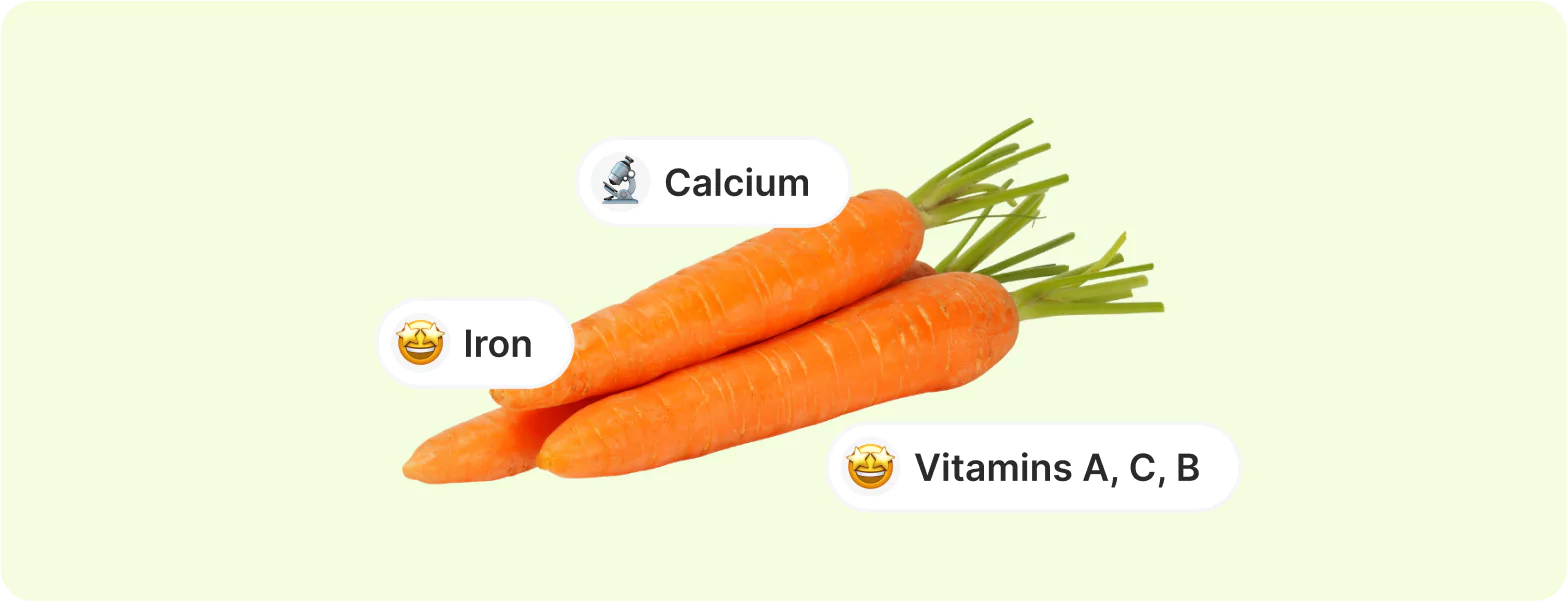
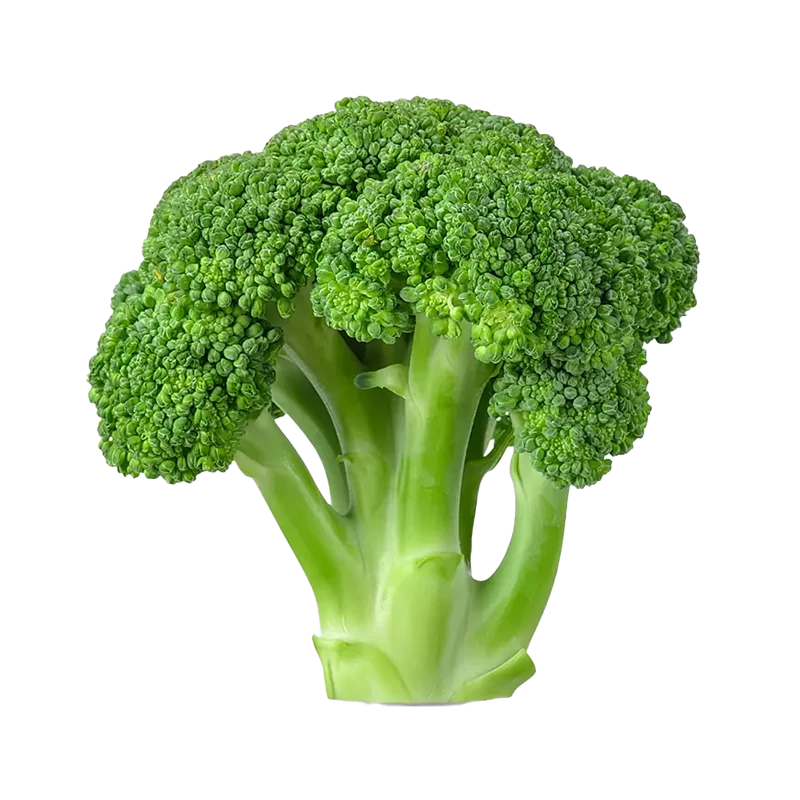
- Vegetables: Enjoy a variety of colorful vegetables like leafy greens, broccoli, carrots, and bell peppers.
- Lean Proteins: Include lean protein sources like chicken, turkey, fish, tofu, and legumes.
- Whole Grains: Opt for whole grains such as quinoa, brown rice, oats, and whole wheat for complex carbohydrates and fiber.
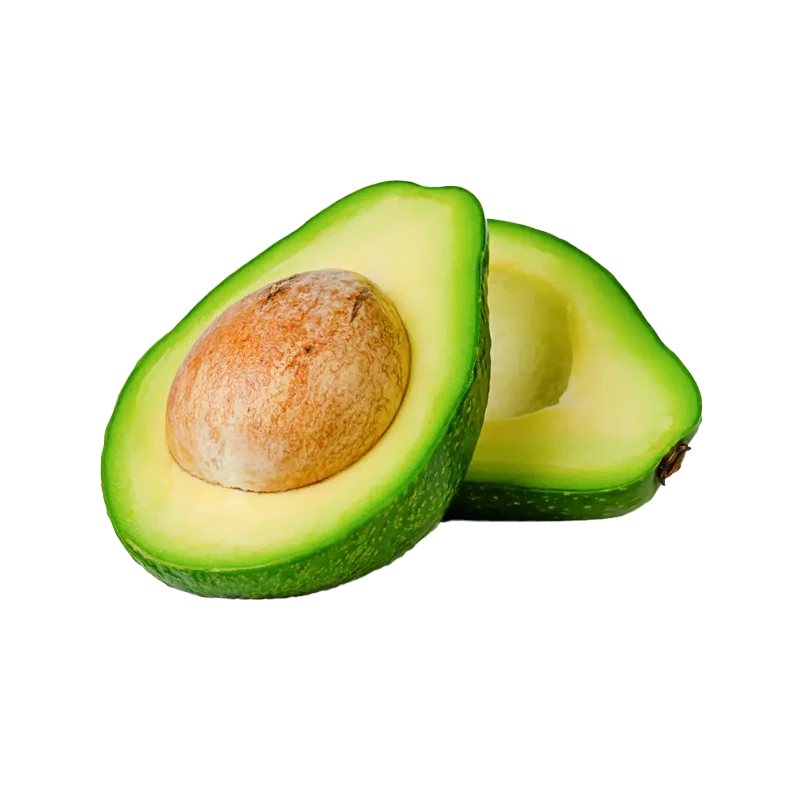
- Healthy Fats: Incorporate sources of healthy fats like avocados, nuts, seeds, and olive oil.
- Dairy Alternatives: Choose unsweetened dairy alternatives like almond milk, coconut milk, or soy milk.
- Herbs and Spices: Use herbs and spices to flavor your meals without the need for added sugars.
- Plain Greek Yogurt: If dairy is consumed, choose plain Greek yogurt without added sugars for probiotics and protein.
- Water: Stay hydrated with water throughout the day; consider infused water with fruits or herbs for flavor.
Tip
Avoid processed foods and focus on whole foods, using natural sweeteners like stevia or monk fruit as alternatives when needed.
Foods not to eat
- Added Sugars: Eliminate foods and beverages with added sugars, such as sweets, candies, sodas, and sugary snacks.
- Processed Foods: Avoid highly processed foods, as they often contain hidden sugars; read labels carefully.
- Sweetened Beverages: Steer clear of sweetened drinks, including fruit juices, energy drinks, and sweetened teas.
- High-Sugar Fruits: Limit consumption of high-sugar fruits like bananas, grapes, and mangoes.
- Flavored Yogurts: Avoid flavored yogurts with added sugars; choose plain, unsweetened options instead.
- Baked Goods: Eliminate pastries, cakes, cookies, and other baked goods that typically contain high levels of added sugars.
- Sauces and Condiments with Added Sugars: Read labels on sauces and condiments, opting for versions without added sugars.
- Sugar-Sweetened Cereals: Choose whole-grain, unsweetened cereals over those with added sugars.
- Sweetened Alcoholic Beverages: Avoid cocktails and alcoholic beverages with added sugars; opt for spirits or dry wines.
Read more about key products


Main benefits
The Meal Plan For No Sugar Diet is designed to eliminate added sugars while providing balanced nutrition. This plan focuses on whole foods, including lean proteins, healthy fats, and fiber-rich vegetables, to maintain stable energy levels and support overall health. By avoiding processed foods and refined sugars, it helps regulate blood sugar levels and reduce cravings. With nutrient-dense meals, this plan promotes sustainable eating habits for a healthier lifestyle.
Recommended nutrient breakdown
- Protein: 30%
- Fat: 35%
- Carbs: 30%
- Fiber: 3%
- Other: 2%
How to budget on this meal plan
To economize the no sugar diet meal plan, focus on whole, unprocessed foods, which are often cheaper and sugar-free. Buy eggs, chicken, and turkey in bulk for protein. Choose seasonal vegetables and fruits like spinach, tomatoes, and berries for freshness and cost-effectiveness. Utilize versatile, affordable staples like quinoa, black beans, and brown rice. Prepare homemade dressings and sauces to avoid hidden sugars and save money. Limit pricier items like salmon and shrimp to occasional meals, and consider plant-based proteins like beans and lentils as alternatives.
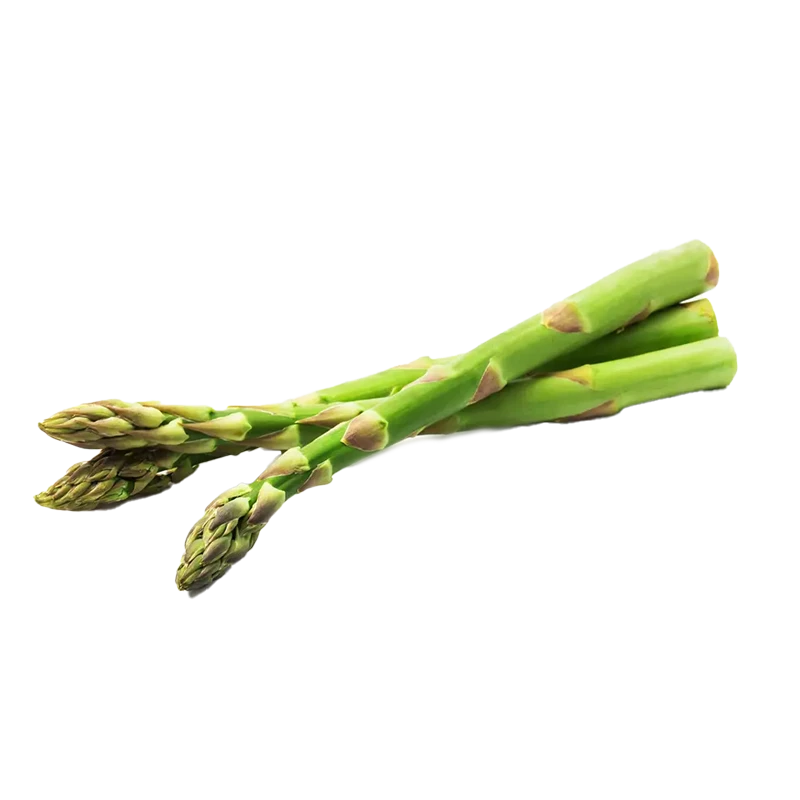
Packed with vitamins, minerals, and antioxidants:

Extra tips
Any healthy snack ideas?
Snacks for a No Sugar Diet to maintain stable blood sugar levels:
- Avocado slices
- Nuts and seeds mix
- Raw veggies with hummus
- Cheese slices or cubes
- Boiled eggs
- Unsweetened Greek yogurt
- Natural peanut butter on celery
What should I drink on this meal plan?
On a no sugar diet, water is the best drink for hydration without added sugars. Herbal teas, without sweeteners, provide hydration and relaxation. Black coffee, enjoyed without sugar, is a calorie-free way to boost energy. Unsweetened almond milk is a good dairy alternative. Lastly, vegetable juices, without added sugars, offer nutrients without the sugar spike.
How to get even more nutrients?
On a no sugar diet, the aim is to eliminate added sugars while nourishing your body with wholesome foods. Prioritize foods that naturally contain beneficial nutrients without added sugars, such as lean proteins, whole fruits, vegetables, and whole grains. These provide essential fiber, vitamins, and minerals. Healthy fats from avocados, nuts, and seeds also play a significant role in feeling satiated and providing energy, helping to curb any cravings for sugary snacks.
Meal plan suggestion
Day 1
- Breakfast: Scrambled eggs with spinach and cherry tomatoes, served with a side of avocado
- Lunch: Grilled chicken salad with mixed greens, cucumber, bell peppers, and a vinaigrette dressing
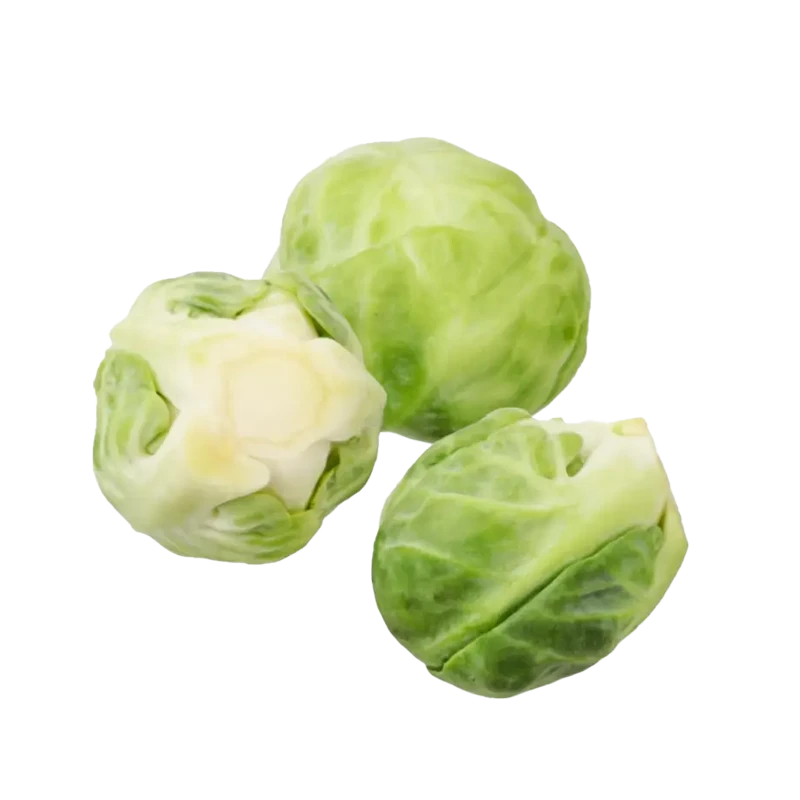
- Dinner: Baked salmon with roasted Brussels sprouts and quinoa
- Calories 🔥: 1800 Fat 💧: 80g Carbs 🌾: 120g Protein 🥩: 130g
Day 2
- Breakfast: Greek yogurt with berries, chia seeds, and a sprinkle of unsweetened coconut flakes
- Lunch: Turkey and vegetable lettuce wraps with a side of raw broccoli and hummus
- Dinner: Grilled shrimp with cauliflower rice and steamed asparagus
- Calories 🔥: 1900 Fat 💧: 85g Carbs 🌾: 130g Protein 🥩: 125g
Day 3
- Breakfast: Smoothie with unsweetened almond milk, kale, banana, and a scoop of protein powder
- Lunch: Quinoa and black bean bowl with diced tomatoes, avocado, and lime dressing
- Dinner: Baked chicken thighs with roasted sweet potatoes and green beans
- Calories 🔥: 2000 Fat 💧: 75g Carbs 🌾: 140g Protein 🥩: 130g
Day 4
- Breakfast: Omelette with mushrooms, bell peppers, and feta cheese
- Lunch: Cauliflower crust pizza with tomato sauce, mozzarella, and assorted vegetables
- Dinner: Grilled cod with sautéed spinach and a side of mashed cauliflower
- Calories 🔥: 1850 Fat 💧: 82g Carbs 🌾: 125g Protein 🥩: 128g
Day 5
- Breakfast: Chia seed pudding made with unsweetened almond milk, topped with sliced strawberries
- Lunch: Chicken and vegetable stir-fry with broccoli, snow peas, and sesame oil
- Dinner: Baked turkey meatballs with zucchini noodles and marinara sauce
- Calories 🔥: 1800 Fat 💧: 78g Carbs 🌾: 130g Protein 🥩: 120g
Day 6
- Breakfast: Avocado and smoked salmon on whole grain crackers
- Lunch: Tuna salad lettuce wraps with celery sticks on the side
- Dinner: Grilled chicken skewers with bell peppers and onions, served with a side of roasted cauliflower
- Calories 🔥: 1900 Fat 💧: 85g Carbs 🌾: 120g Protein 🥩: 130g
Day 7
- Breakfast: Whole grain toast with mashed avocado and poached eggs
- Lunch: Egg salad lettuce wraps with cherry tomatoes and cucumber slices
- Dinner: Grilled shrimp with a side of roasted Brussels sprouts and quinoa
- Calories 🔥: 1850 Fat 💧: 80g Carbs 🌾: 135g Protein 🥩: 125g
These values are approximate and can vary slightly based on specific portion sizes and preparation methods.
Want to learn more?
- Teaching subjects with type 2 diabetes how to incorporate sugar choices into their daily meal plan promotes dietary compliance and does not deteriorate metabolic profile
- A simple meal plan emphasizing healthy food choices is as effective as an exchange-based meal plan for urban African Americans with type 2 diabetes
Keep in mind
Other meal plans
-

7-day Meal Plan For Mediterranean Diet
Embarking on a Mediterranean journey? You're in for a treat! Discover the secrets of a 7-day Mediterranean diet meal plan and how it can invigorate your health. This article will guide you through a flavorful world of nutritious foods and show you how to turn these meals into an efficient shopping list. Let's set sail!
-

7-day Meal Plan For Weight Loss
Ready to kickstart your weight loss journey? A 7-day meal plan tailored for weight loss could be your golden ticket. In this article, we'll explore how to craft a weight loss meal plan that's both delicious and effective for shedding pounds, plus tips on transforming it into a smart shopping list. Time to get excited about your health goals!
-

7-day Meal Plan For Diabetics
Managing diabetes with diet doesn't have to be daunting. Learn how a 7-day meal plan can help control your blood sugar and improve overall health. We'll guide you through creating diabetic-friendly meals and turning them into a simple shopping list. Let's make healthy eating a breeze!