
Meal Plan For Runners
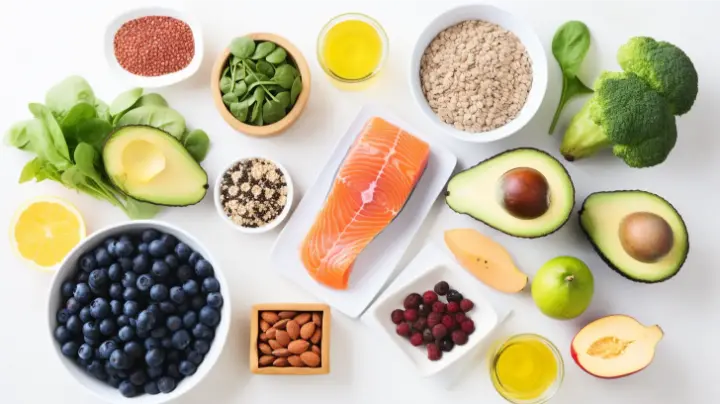
Are you a runner looking for the right fuel? Our 7-day meal plan for runners is designed to boost your energy and performance. We'll guide you through nutritious meals and show you how to turn them into a runner-friendly shopping list. Ready, set, nourish!
Meal plan grocery list
 Dry goods
 Snacks & sweets
 Meats
 Dairy & eggs
 Fish & seafood
 Fresh grocery
 Bakery
 Plant based
 Spices & sauces
Meal plan overview
Are you a runner looking for the right fuel? Our 7-day meal plan for runners is designed to boost energy and performance. It's tailored for your running needs, providing the right balance of nutrients.
From carb-loading to protein-rich meals, this plan supports your training and recovery, keeping you on track for your running goals.
Foods to eat
- Carbohydrates: Whole grain breads, pasta, and brown rice for energy.
- Lean Proteins: Chicken, turkey, fish, and tofu for muscle repair and growth.
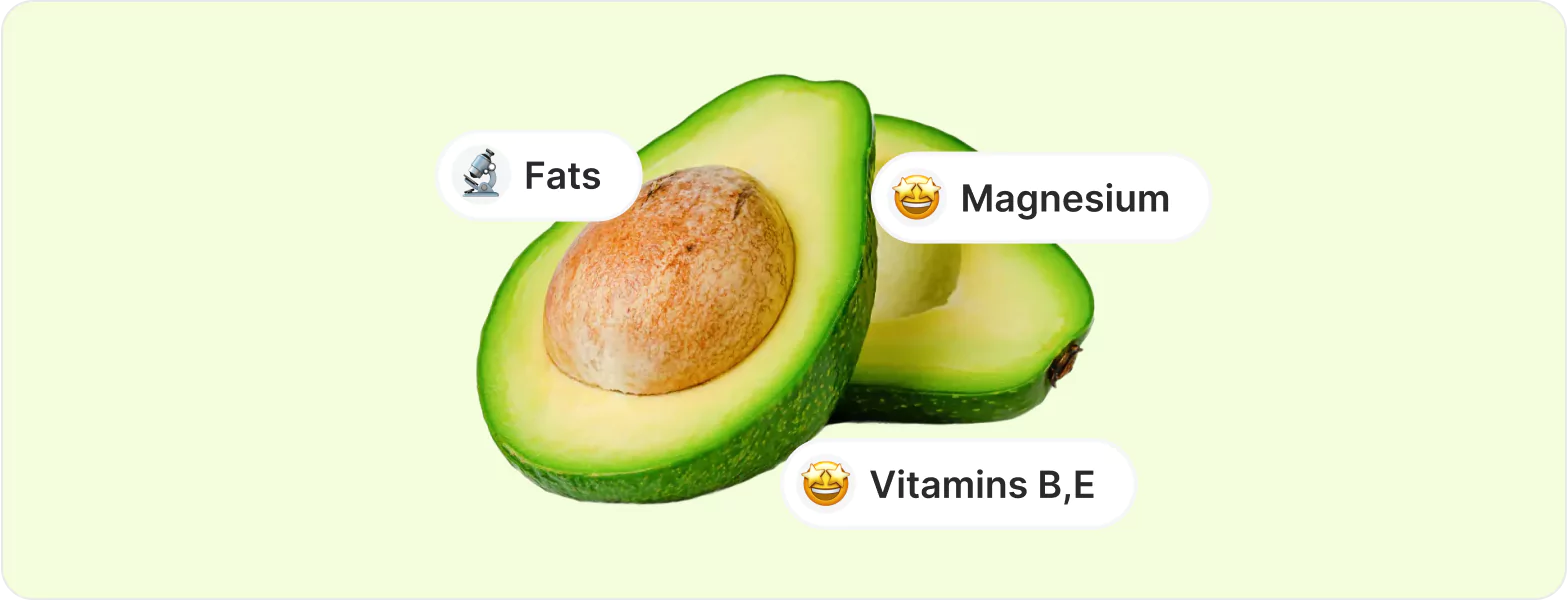
- Healthy Fats: Avocado, nuts, and olive oil for long-lasting energy.
- Fruits and Vegetables: A wide variety for vitamins, minerals, and hydration.
- Dairy or Alternatives: Milk, yogurt, or plant-based alternatives for calcium and protein.
- Hydrating Fluids: Water, sports drinks, and herbal teas to stay hydrated.
- Energy-Boosting Snacks: Bananas, energy bars, or oatmeal for quick fuel.
Tip
Prioritize complex carbohydrates like whole grains and starchy vegetables for sustained energy during long runs.
Foods not to eat
- High-Fat Foods: Fried foods and other greasy options that can slow digestion.
- Heavy Proteins: Red meats or other hard-to-digest proteins before running.
- Refined Sugars: Sweets and sugary snacks that can cause energy spikes and crashes.
- Excessive Fiber: High-fiber foods right before a run can cause gastrointestinal distress.
- Alcohol and Caffeine: Can lead to dehydration and affect performance.
- Processed Foods: Often high in sodium and preservatives, not ideal for optimal health and performance.
- Dairy: For those sensitive, dairy can cause gastrointestinal issues before a run.
Read more about key products


Main benefits
The Meal Plan For Runners is designed to fuel the nutritional needs of active individuals. This plan emphasizes a mix of complex carbohydrates, lean proteins, and healthy fats to support energy levels and muscle recovery. Adequate hydration and nutrient-dense foods contribute to optimal performance and overall well-being for runners during training and competitions.
Recommended nutrient breakdown
- Protein: 15%
- Fat: 25%
- Carbs: 50%
- Fiber: 5%
- Other: 5%
How to budget on this meal plan
To optimize the budget for this runner's meal plan, consider buying bulk items like oats, quinoa, brown rice, and beans. Choose seasonal fruits and vegetables for freshness and cost-effectiveness. Opt for less expensive protein sources like tofu, lentils, and canned tuna. Preparing homemade snacks and meals, like granola and veggie burgers, can also reduce costs. Prioritize whole foods over processed items for both health and savings.
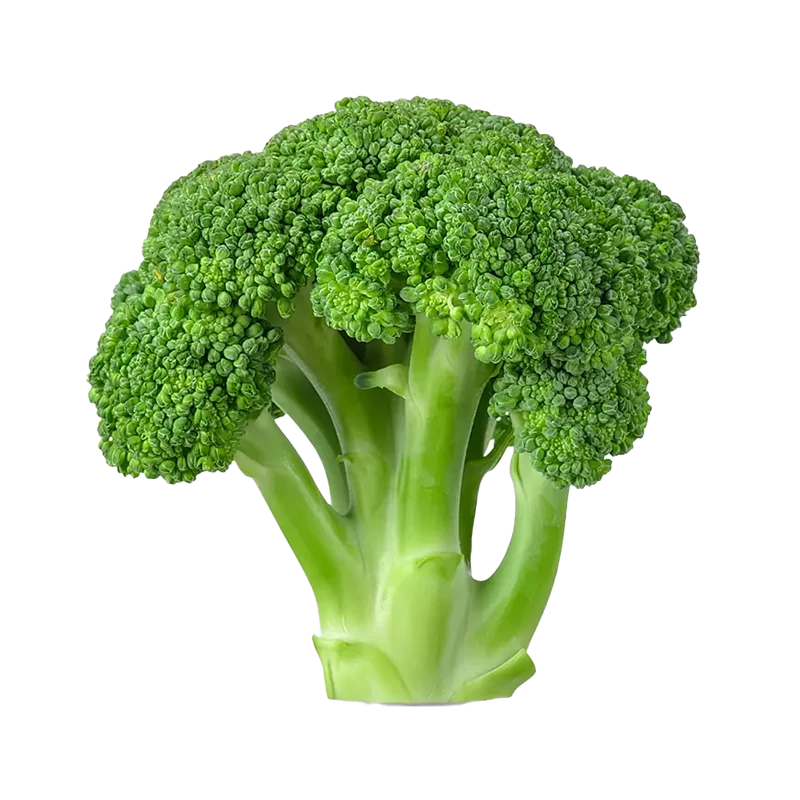
Packed with vitamins, minerals, and antioxidants:

Extra tips
Any healthy snack ideas?
Energizing snacks ideal for runners:
- Banana with peanut butter
- Oatmeal with berries and nuts
- Energy bars with low sugar content
- Greek yogurt with granola
- Almonds and dark chocolate
- Whole grain toast with avocado
- Cottage cheese with pineapple
What should I drink on this meal plan?
For runners, hydration and energy replenishment are critical. Water is the most essential, especially pre and post-run. Electrolyte-replenishing sports drinks help maintain balance during long runs. Fresh fruit juices, rich in vitamins, offer a quick energy boost. Post-run, a protein shake aids muscle recovery. Green tea, with its antioxidants, supports overall health and recovery.
How to get even more nutrients?
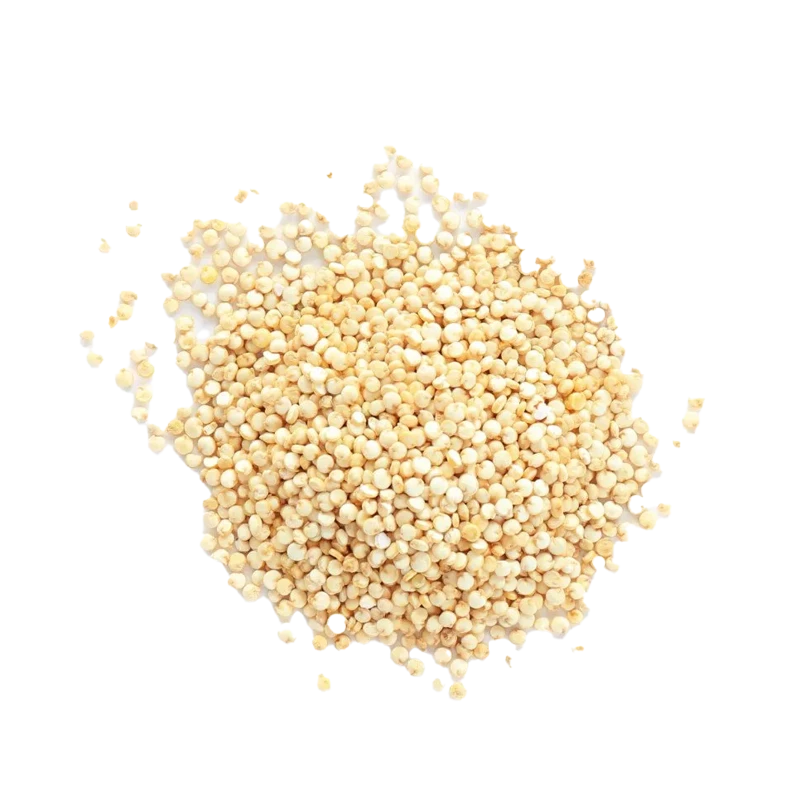
Runners need a diet that supports their energy needs and recovery. Carbohydrates are important for fuel, so include whole grains and fruits in meals. Proteins are crucial for muscle repair, so incorporate lean meats, fish, or plant-based proteins like beans and lentils. Don't forget about healthy fats, such as those found in nuts and seeds, which are vital for long-term energy and joint health.
Meal plan suggestion
Day 1
- Breakfast: Oatmeal with banana and almond butter
- Lunch: Quinoa salad with grilled chicken, mixed greens, and avocado
- Dinner: Grilled salmon with sweet potato and steamed broccoli
- Calories 🔥: 1850 Fat 💧: 70g Carbs 🌾: 200g Protein 🥩: 110g
Day 2
- Breakfast: Greek yogurt with granola and mixed berries
- Lunch: Turkey and avocado wrap with whole grain tortilla and a side salad
- Dinner: Stir-fried tofu with mixed vegetables and brown rice
- Calories 🔥: 1800 Fat 💧: 65g Carbs 🌾: 190g Protein 🥩: 105g
Day 3
- Breakfast: Smoothie with spinach, banana, peanut butter, and milk
- Lunch: Lentil soup with a whole grain roll and a side of mixed greens
- Dinner: Baked chicken breast with quinoa and roasted vegetables
- Calories 🔥: 1850 Fat 💧: 70g Carbs 🌾: 195g Protein 🥩: 110g
Day 4
- Breakfast: Whole grain toast with avocado and poached eggs
- Lunch: Grilled fish taco with cabbage slaw and a side of black beans
- Dinner: Beef stir-fry with bell peppers, broccoli, and brown rice
- Calories 🔥: 1850 Fat 💧: 72g Carbs 🌾: 190g Protein 🥩: 110g
Day 5
- Breakfast: Cottage cheese with pineapple and a handful of walnuts
- Lunch: Chicken Caesar salad with whole grain croutons
- Dinner: Pasta with marinara sauce, grilled vegetables, and lean ground turkey
- Calories 🔥: 1850 Fat 💧: 70g Carbs 🌾: 200g Protein 🥩: 105g
Day 6
- Breakfast: Pancakes with fresh berries and maple syrup
- Lunch: Tuna salad sandwich on whole grain bread with a side of carrot sticks
- Dinner: Grilled shrimp with a quinoa and spinach salad
- Calories 🔥: 1800 Fat 💧: 68g Carbs 🌾: 190g Protein 🥩: 105g
Day 7
- Breakfast: Scrambled eggs with spinach, mushrooms, and whole grain toast
- Lunch: Veggie burger on a whole grain bun with a side of sweet potato fries
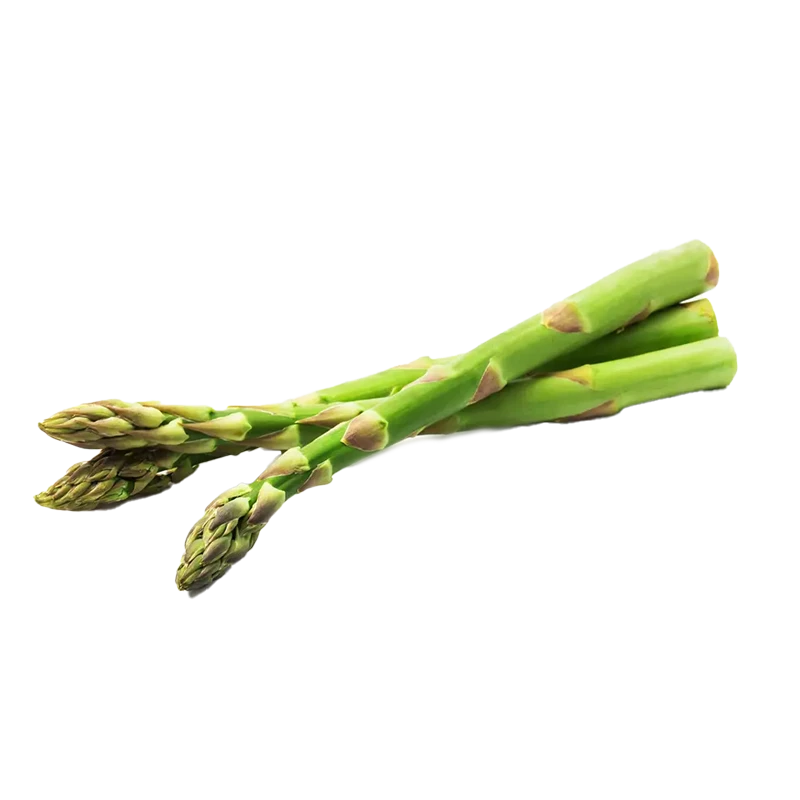
- Dinner: Roast chicken with brown rice and steamed asparagus
- Calories 🔥: 1850 Fat 💧: 70g Carbs 🌾: 195g Protein 🥩: 110g
Remember to adjust portion sizes and ingredients according to your training needs, dietary preferences, and specific nutritional requirements.
Want to learn more?
Keep in mind
Other meal plans
-

7-day Meal Plan For Mediterranean Diet
Embarking on a Mediterranean journey? You're in for a treat! Discover the secrets of a 7-day Mediterranean diet meal plan and how it can invigorate your health. This article will guide you through a flavorful world of nutritious foods and show you how to turn these meals into an efficient shopping list. Let's set sail!
-

7-day Meal Plan For Weight Loss
Ready to kickstart your weight loss journey? A 7-day meal plan tailored for weight loss could be your golden ticket. In this article, we'll explore how to craft a weight loss meal plan that's both delicious and effective for shedding pounds, plus tips on transforming it into a smart shopping list. Time to get excited about your health goals!
-

7-day Meal Plan For Diabetics
Managing diabetes with diet doesn't have to be daunting. Learn how a 7-day meal plan can help control your blood sugar and improve overall health. We'll guide you through creating diabetic-friendly meals and turning them into a simple shopping list. Let's make healthy eating a breeze!