
Mediterranean diet plan for one person
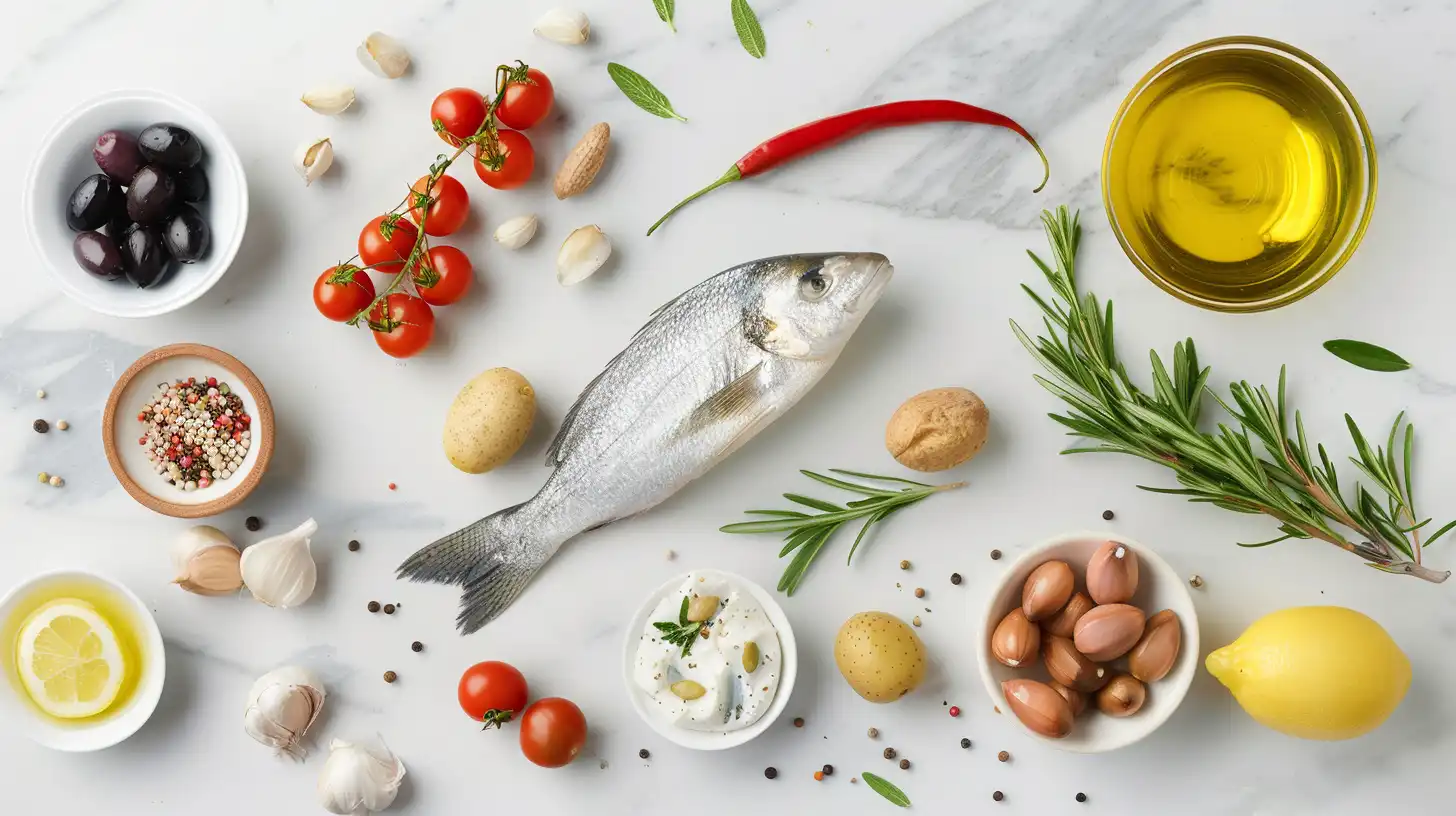
Tailoring the Mediterranean diet for one? It's all about scaling down those heart-healthy recipes to single servings. You'll enjoy a diverse menu of fish, legumes, and fresh produce that's not only good for your heart but also perfect for solo cooking adventures.
Diet plan grocery list
Diet plan overview
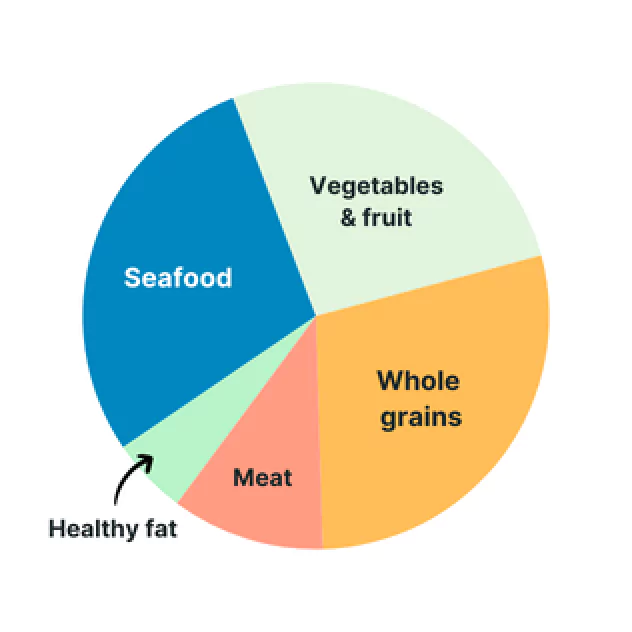
Tailoring the Mediterranean diet plan for one person means focusing on fresh vegetables, fruits, whole grains, and healthy fats like olive oil. It’s perfect for anyone looking to enjoy a variety of foods that are both heart-healthy and delicious. Single-serve recipes ensure that you can prepare quick and easy meals without worrying about leftovers.
This diet is ideal for maintaining portion control while enjoying the diverse flavors of Mediterranean cuisine. Whether you’re a fan of seafood or prefer vegetarian options, there's plenty to choose from that suits a solo diner.

Foods to eat
- Whole Grains: Brown rice, whole wheat bread, and quinoa.
- Vegetables: A variety of fresh, seasonal vegetables such as tomatoes, bell peppers, and leafy greens.
- Fruits: Fresh fruits like apples, oranges, and berries for snacks and desserts.
- Proteins: Fish, poultry, and legumes like beans and lentils.
- Healthy Fats: Olive oil as the main cooking fat; avocados and nuts for additional fat sources.
Tip
Tailor your Mediterranean diet by preparing simple, single-serving meals rich in olive oil, fresh produce, and whole grains to optimize heart health.
Foods not to eat
- Red Meat: Limit red meat intake to a few times a month.
- Refined Grains: White bread, pasta made from refined flour, and other heavily processed grains.
- Sugar-Sweetened Beverages: Sodas and other drinks high in sugars.
- Highly Processed Foods: Fast food and processed snacks that are high in additives.
- Industrial Oils: Avoid cooking with oils that are heavily processed such as canola or soybean oil.
Main benefits
The Mediterranean diet plan for one person is flexible and easy to adapt, focusing on fresh vegetables, fruits, and seafood, which are perfect for single-portion meals. It encourages the use of olive oil and nuts, providing heart-healthy fats. This diet also promotes longevity and has been linked to reduced risks of heart disease and cancer.
How to budget on this diet plan
For a Mediterranean diet plan for one person, it’s wise to purchase vegetables and fruits in season to save money and enjoy peak flavor. Buying whole grains and legumes in bulk can also reduce costs significantly. Consider using herbs and spices to enhance flavors instead of opting for pricier ingredients.
Meal plan suggestion
Day 1
- Breakfast: Greek yogurt topped with mixed berries and almonds
- Lunch: Quinoa salad with spinach, cherry tomatoes, cucumbers, feta cheese, and a drizzle of olive oil
- Dinner: Baked salmon with roasted vegetables (bell peppers, onions, zucchini, and eggplant) seasoned with garlic and herbs
- Snack: Sliced apples with a handful of walnuts
Day 2
- Breakfast: Oatmeal topped with sliced figs and a sprinkle of cinnamon
- Lunch: Chickpea salad with kale, carrots, bell peppers, and a lemon-tahini dressing
- Dinner: Lentil soup with whole grain bread on the side
- Snack: Greek yogurt with honey and chopped walnuts
Day 3
- Breakfast: Scrambled eggs with sautéed spinach, onions, and garlic, served with whole grain toast
- Lunch: Mediterranean tuna salad stuffed in half a bell pepper, served with cucumber slices
- Dinner: Grilled chicken breast with quinoa pilaf and steamed broccoli
- Snack: Orange slices with a handful of almonds
Day 4
- Breakfast: Whole grain toast topped with mashed avocado and sliced tomatoes, drizzled with olive oil
- Lunch: Greek salad with lettuce, cucumbers, cherry tomatoes, red onions, feta cheese, and olives, dressed with olive oil and red wine vinegar
- Dinner: Zucchini noodles with marinara sauce and grilled salmon
- Snack: Feta cheese with sliced dates
Day 5
- Breakfast: Yogurt parfait with Greek yogurt, granola, and mixed berries
- Lunch: Stuffed bell peppers with brown rice, black beans, corn, and salsa
- Dinner: Baked chicken breast with roasted carrots and quinoa
- Snack: Carrot sticks with hummus
Day 6
- Breakfast: Omelette with spinach, onions, and feta cheese, served with whole grain toast
- Lunch: Mediterranean lentil salad with kale, cucumbers, bell peppers, and a lemon-tahini dressing
- Dinner: Grilled tuna steak with sautéed kale and quinoa pilaf
- Snack: Sliced cucumber with Greek yogurt dip
Day 7
- Breakfast: Overnight oats with almond milk, chopped walnuts, and diced apples
- Lunch: Quinoa and kale salad with roasted chickpeas, cherry tomatoes, and feta cheese, dressed with olive oil and lemon juice
- Dinner: Baked eggplant stuffed with lentils, tomatoes, onions, and garlic, topped with crumbled feta cheese
- Snack: Mixed grapes with a handful of almonds
Want to learn more?
Keep in mind
Other diet plans
-

Carnivore diet plan for diabetics
This diet plan on the carnivore diet for diabetic individuals is quite low on carbs while approximating almost 100 percent in protein and fats. This helps to control blood sugar levels. Avoiding sugars and most of carbs can make it possible to have diabetes well under control. It is a radical but straightforward dietary intervention which should be done with supervision and guidance from health practitioners.
-

Carnivore diet plan for healthy eating
Healthy eating in the carnivore diet plan comprises a range of nutrient-dense sourced meats, such as organs and bone broths, which contain critical vitamins and minerals. It aims to eliminate inflammatory reactions, which are characteristic of some lifestyle diseases, and cut back the diet to essential nutrients. It may seem limiting, however, it facilitates looking deeper into the quality of every piece of meat cuisine.
-

Carnivore diet plan for beginners
The following carnivore beginner’s plan is especially intended for those who are new to the carnivore way of life. It begins by eating only meat instead of animal-based foods. Just after a few weeks or so, start introducing other types of food, such as fish, poultry, and organ meat. No complicated steps involved - learn the basics of meat preparation and accommodate a new food pattern.