
Mexican diet plan for adhd
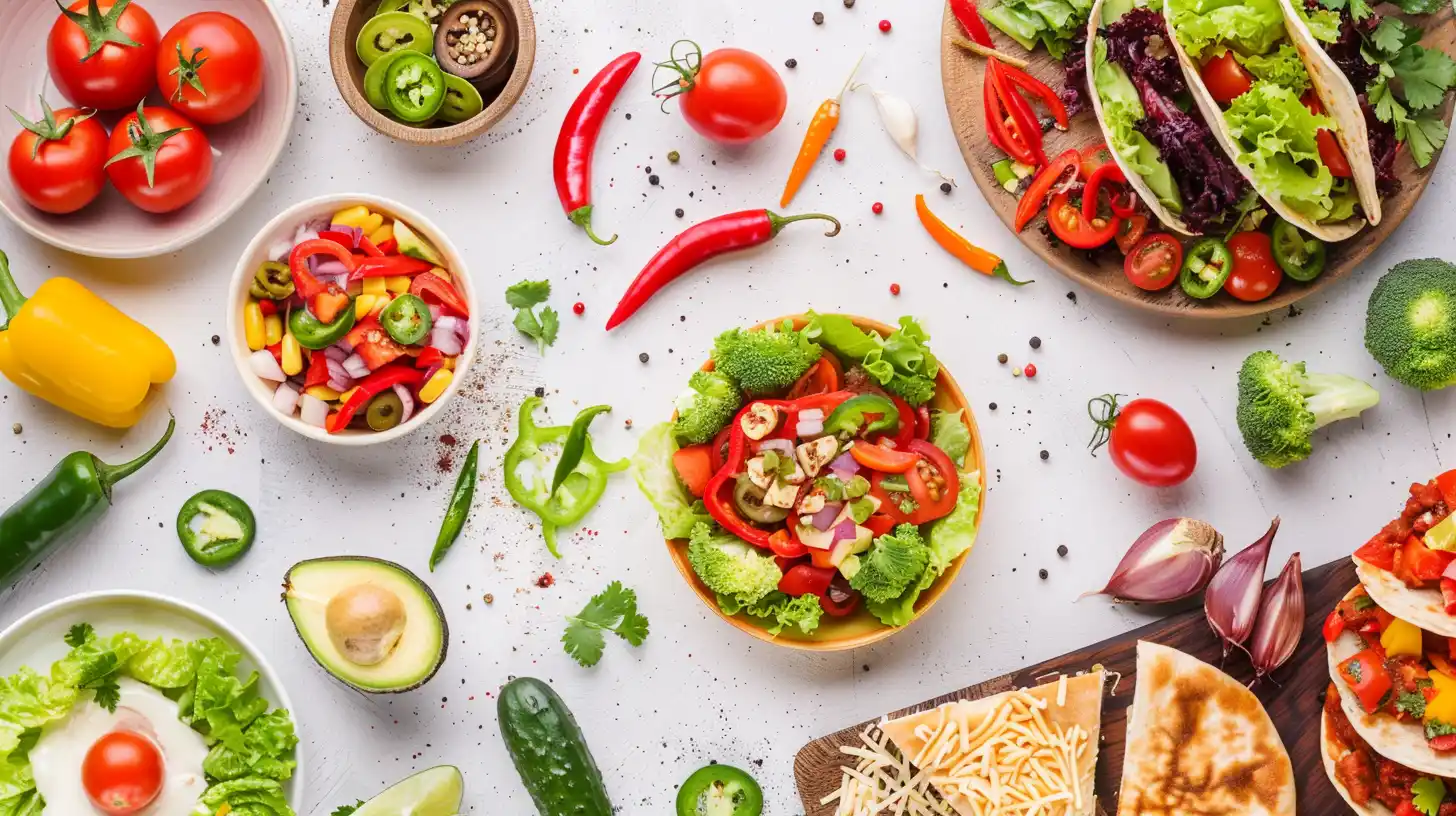
Boost focus and minimize hyperactivity with a Mexican diet rich in omega-3 fatty acids, zinc, and protein. This plan avoids additives and high-sugar foods, focusing on natural, nutrient-rich ingredients.
Diet plan grocery list
Diet plan overview
The mexican diet plan for adhd offers a structured dietary approach that aims to minimize ADHD symptoms through nutrition. Key components include high-fiber vegetables and fruits, protein-rich foods, and omega-3 fatty acids, all found in Mexican dishes like fish tacos, bean salads, and avocado salsas. These foods help stabilize energy levels and improve focus throughout the day.
Avoiding processed sugars and additives is also crucial, as these can exacerbate ADHD symptoms. This diet plan provides natural, wholesome alternatives that keep meals interesting and healthful, ensuring that individuals with ADHD can enjoy diverse flavors while adhering to a beneficial dietary regimen.
Foods to eat
- Protein-Rich Foods: Fish tacos and turkey burritos, which help improve concentration and manage ADHD symptoms.
- Complex Carbohydrates: Whole wheat tortillas and brown rice, providing steady energy and aiding in focus.
- Omega-3 Fatty Acids: Walnuts and flaxseeds, known for enhancing cognitive function.
- Rich in Iron: Spinach enchiladas and lean beef fajitas, important for improving attention and reducing fatigue.
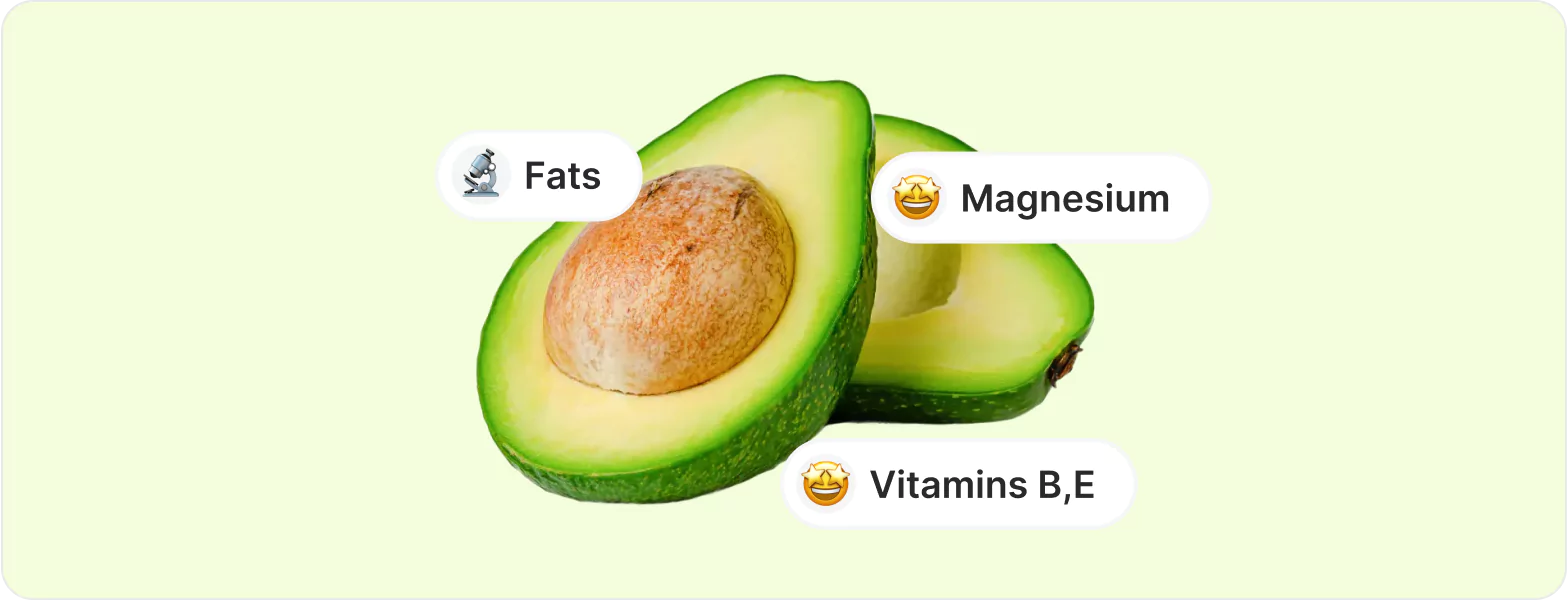
- Fruits and Vegetables: Fresh salsa and guacamole, providing essential vitamins and minerals for overall health.
Tip
For ADHD, focus on incorporating protein-rich breakfasts with eggs and black beans to enhance concentration throughout the day.
Foods not to eat
- High Sugar Foods: Sugary desserts and sweetened beverages, which can lead to hyperactivity and attention issues.
- Artificial Colorants: Brightly colored candies and packaged snacks, often linked to increased ADHD symptoms.
- Simple Carbohydrates: White flour tortillas and chips, which can cause fluctuations in energy and focus.
- Processed Meats: Commercially prepared chorizo and bacon, often high in additives that can affect behavior.
- Trans Fats: Processed snack foods and pastries, which can negatively impact brain health.
Main benefits
The mexican diet plan for adhd focuses on delivering high-energy, nutrient-rich meals that are perfect for keeping an active mind focused. With an emphasis on complex carbohydrates and omega-3 fatty acids from fish tacos and avocado salads, this diet aids in neurological health and concentration. Spices like cumin and coriander not only enhance flavor but also provide essential minerals that support cognitive function. It’s a delicious way to fuel the brain and soothe the senses.

How to budget on this diet plan
Focus on whole foods which are generally cheaper and better for maintaining stable energy levels. Prepare snacks at home, such as cut vegetables or homemade guacamole, to avoid the high cost of pre-packaged options. Use lean cuts of meat and bulk out meals with vegetables to save money while keeping nutrition balanced. Plan meals ahead to avoid impulse buys and stick to your budget. Choose water or homemade flavored waters over soda and sugary drinks to save money and reduce sugar intake.
Meal plan suggestion
Day 1
- Breakfast: Greek yogurt with strawberries, chia seeds, and a drizzle of honey
- Lunch: Chicken breast salad with spinach, tomatoes, avocado, and a lime-cilantro dressing
- Dinner: Grilled salmon with quinoa and roasted broccoli
- Snack: Sliced mangoes and almonds
Day 2
- Breakfast: Scrambled eggs with spinach, onions, and bell peppers
- Lunch: Black bean and corn tortilla tacos with avocado and cilantro
- Dinner: Beef sirloin with sweet potatoes and steamed zucchini
- Snack: Blueberries and pumpkin seeds
Day 3
- Breakfast: Oatmeal with blueberries, almonds, and a sprinkle of chia seeds
- Lunch: Turkey breast wrap in a corn tortilla with spinach, avocado, and lime
- Dinner: Red snapper with brown rice and sautéed bell peppers and onions
- Snack: Sliced papayas with a squeeze of lime
Day 4
- Breakfast: Smoothie with Greek yogurt, mangoes, and spinach
- Lunch: Quinoa salad with black beans, tomatoes, avocado, and cilantro
- Dinner: Chicken breast with roasted sweet potatoes and broccoli
- Snack: Goat cheese with sliced strawberries
Day 5
- Breakfast: Chia seed pudding with blueberries and a sprinkle of almonds
- Lunch: Beef sirloin fajitas with bell peppers, onions, and a side of brown rice
- Dinner: Grilled salmon with quinoa and steamed zucchini
- Snack: Sliced avocado with a sprinkle of pumpkin seeds
Day 6
- Breakfast: Greek yogurt with sliced strawberries, chia seeds, and honey
- Lunch: Spinach and chicken breast salad with avocado, tomatoes, and lime-cilantro dressing
- Dinner: Turkey breast with roasted sweet potatoes and broccoli
- Snack: Sliced mangoes with a sprinkle of pumpkin seeds
Day 7
- Breakfast: Scrambled eggs with spinach, tomatoes, and onions
- Lunch: Black bean and quinoa bowl with avocado, tomatoes, and cilantro
- Dinner: Red snapper with brown rice and steamed zucchini
- Snack: Blueberries and almonds
Want to learn more?
Keep in mind
Other diet plans
-

Carnivore diet plan for diabetics
This diet plan on the carnivore diet for diabetic individuals is quite low on carbs while approximating almost 100 percent in protein and fats. This helps to control blood sugar levels. Avoiding sugars and most of carbs can make it possible to have diabetes well under control. It is a radical but straightforward dietary intervention which should be done with supervision and guidance from health practitioners.
-

Carnivore diet plan for healthy eating
Healthy eating in the carnivore diet plan comprises a range of nutrient-dense sourced meats, such as organs and bone broths, which contain critical vitamins and minerals. It aims to eliminate inflammatory reactions, which are characteristic of some lifestyle diseases, and cut back the diet to essential nutrients. It may seem limiting, however, it facilitates looking deeper into the quality of every piece of meat cuisine.
-

Carnivore diet plan for beginners
The following carnivore beginner’s plan is especially intended for those who are new to the carnivore way of life. It begins by eating only meat instead of animal-based foods. Just after a few weeks or so, start introducing other types of food, such as fish, poultry, and organ meat. No complicated steps involved - learn the basics of meat preparation and accommodate a new food pattern.