
Mexican diet plan for anemia
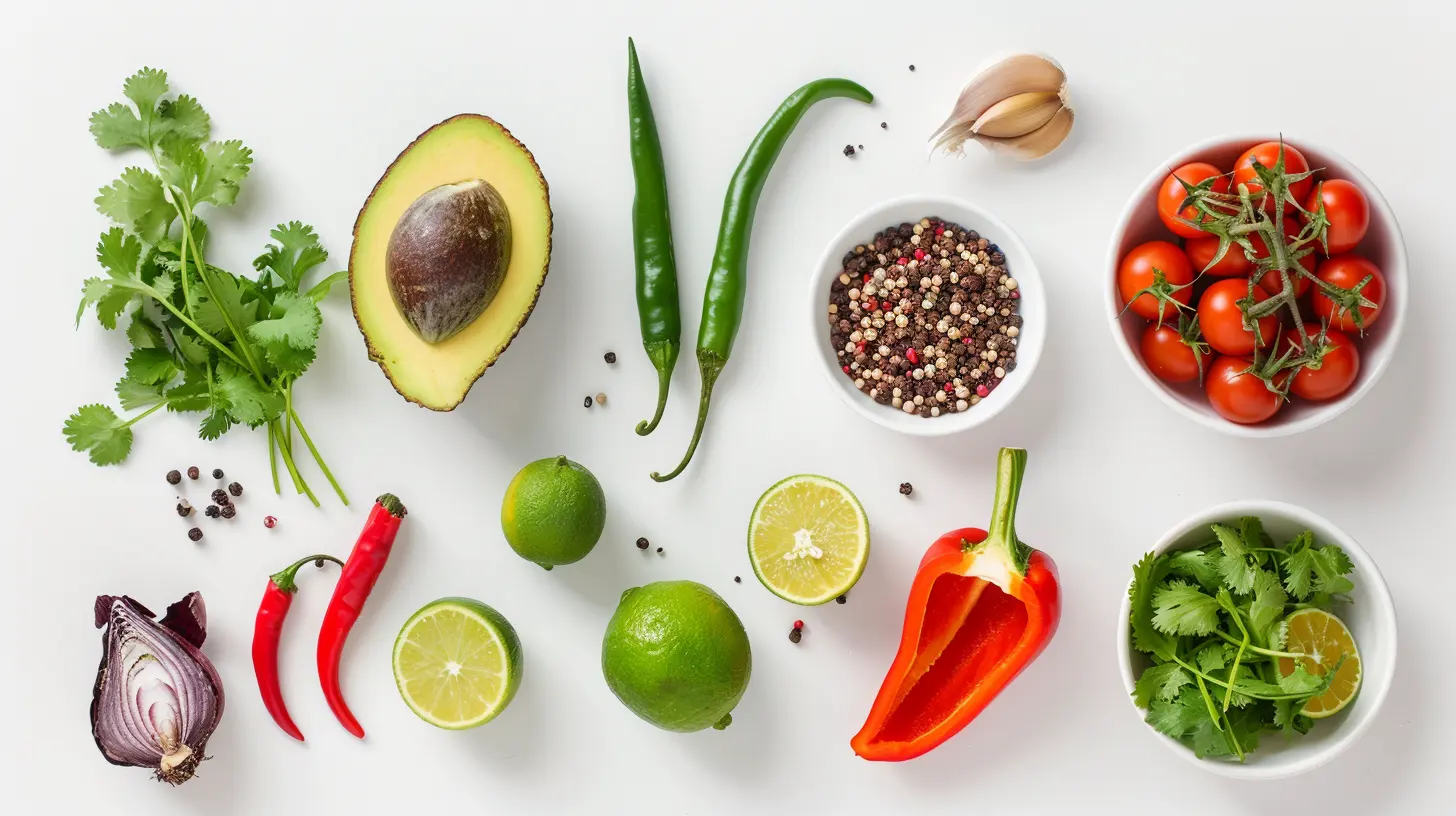
Boost your iron levels deliciously with the Mexican diet plan for anemia. This diet emphasizes iron-rich foods like spinach and legumes, combined with vitamin C-rich tomatoes and citrus to enhance iron absorption. It's a practical way to address nutritional needs without sacrificing taste.
Diet plan grocery list
Diet plan overview
If you're battling anemia, the mexican diet plan for anemia is designed to boost your iron levels without sacrificing taste. This diet plan includes iron-rich foods such as red meat and beans, paired with vitamin C-rich tomatoes and citrus fruits to enhance iron absorption. Traditional staples like spinach enchiladas or chard tacos also make regular appearances.
Moreover, this diet focuses on sustaining energy levels with balanced meals throughout the day, which is crucial for those affected by anemia. The inclusion of whole grains and seeds ensures a steady supply of essential nutrients, helping to combat fatigue and other anemic symptoms.
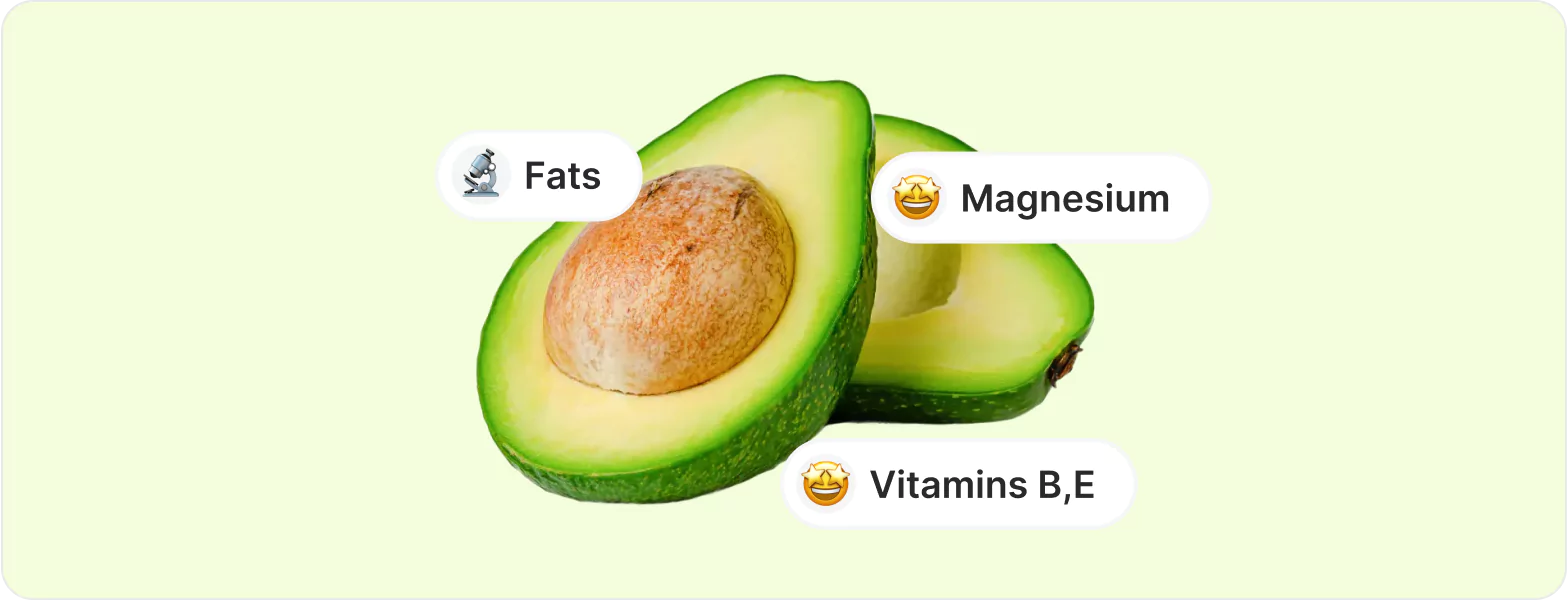
Foods to eat
- Iron-Rich Foods: Red meat, chicken liver, and seafood like oysters to boost iron levels.
- Beans and Legumes: Kidney beans and chickpeas, which are good plant sources of iron.
- Vitamin C Sources: Oranges, strawberries, and tomatoes to enhance iron absorption.
- Leafy Greens: Spinach and swiss chard, high in iron and essential nutrients.
- Whole Grains: Fortified cereals and whole wheat products that are iron-enriched.
Tip
Amp up iron absorption with a squeeze of lime on your bean dishes; the vitamin C helps tackle anemia head-on.
Foods not to eat
- Coffee and Tea: These can inhibit iron absorption if consumed with meals.
- Dairy Products: High-calcium foods like milk and cheese might interfere with iron uptake.
- Whole Soy Products: Tofu and edamame can block iron absorption.
- Refined Sugar: Limits the intake of nutritious foods that could be rich in iron.
- Excessive Fiber: Very high fiber foods that can impede iron absorption.
Main benefits
The mexican diet plan for anemia features a variety of iron-rich foods like spinach enchiladas and beef tacos, perfectly paired to combat anemia while keeping meals exciting. Vitamin C-packed citrus fruits commonly used in Mexican cooking enhance iron absorption, optimizing the health benefits. Black beans and other legumes provide additional iron and essential nutrients, supporting blood health. Plus, the use of traditional herbs and spices in this diet not only enhances flavor but can also have anti-inflammatory benefits, contributing to overall well-being.

How to budget on this diet plan
If you're following the Mexican diet to combat anemia, focus on iron-rich foods like spinach and legumes, which are generally low-cost. Cooking with a cast-iron skillet can actually add iron to your food, so it's a thrifty tool to use. Bulk buy your grains and beans, as they're central to this diet and cheaper in larger quantities. Include dried fruits like apricots for snacks instead of more expensive nuts. Eggs are a great, budget-friendly source of iron and protein, perfect for breakfast.
Meal plan suggestion
Day 1
- Breakfast: Fortified cereal with milk and sliced kiwi
- Lunch: Spinach and red bell pepper salad with grilled chicken breast
- Dinner: Beef liver with quinoa and steamed broccoli
- Snack: Papaya and almond smoothie
Day 2
- Breakfast: Oatmeal with prunes and chia seeds
- Lunch: Tuna salad with avocado, tomatoes, and whole wheat bread
- Dinner: Pork loin with brown rice and sautéed kale
- Snack: Pomegranate seeds and yogurt
Day 3
- Breakfast: Scrambled eggs with red bell peppers and spinach
- Lunch: Black bean and quinoa bowl with tomatoes and carrots
- Dinner: Baked salmon with beetroot and steamed broccoli
- Snack: Mango slices and pumpkin seeds
Day 4
- Breakfast: Smoothie with orange juice, kale, and papaya
- Lunch: Lentil soup with carrots and whole wheat bread
- Dinner: Grilled chicken breast with brown rice and pomegranate salad
- Snack: Cheese slices with almonds
Day 5
- Breakfast: Fortified cereal with milk and sliced mango
- Lunch: Tuna and avocado wrap with whole wheat bread
- Dinner: Pork loin with quinoa and steamed spinach
- Snack: Yogurt with chia seeds and prunes
Day 6
- Breakfast: Oatmeal with kiwi and pumpkin seeds
- Lunch: Black bean and red bell pepper salad with grilled chicken breast
- Dinner: Beef liver with brown rice and sautéed kale
- Snack: Orange juice and almonds
Day 7
- Breakfast: Scrambled eggs with tomatoes and spinach
- Lunch: Lentil and beetroot salad with whole wheat bread
- Dinner: Baked salmon with quinoa and broccoli
- Snack: Papaya slices and cheese
Want to learn more?
Keep in mind
Other diet plans
-

Carnivore diet plan for diabetics
This diet plan on the carnivore diet for diabetic individuals is quite low on carbs while approximating almost 100 percent in protein and fats. This helps to control blood sugar levels. Avoiding sugars and most of carbs can make it possible to have diabetes well under control. It is a radical but straightforward dietary intervention which should be done with supervision and guidance from health practitioners.
-

Carnivore diet plan for healthy eating
Healthy eating in the carnivore diet plan comprises a range of nutrient-dense sourced meats, such as organs and bone broths, which contain critical vitamins and minerals. It aims to eliminate inflammatory reactions, which are characteristic of some lifestyle diseases, and cut back the diet to essential nutrients. It may seem limiting, however, it facilitates looking deeper into the quality of every piece of meat cuisine.
-

Carnivore diet plan for beginners
The following carnivore beginner’s plan is especially intended for those who are new to the carnivore way of life. It begins by eating only meat instead of animal-based foods. Just after a few weeks or so, start introducing other types of food, such as fish, poultry, and organ meat. No complicated steps involved - learn the basics of meat preparation and accommodate a new food pattern.