
Mexican diet plan for beginners
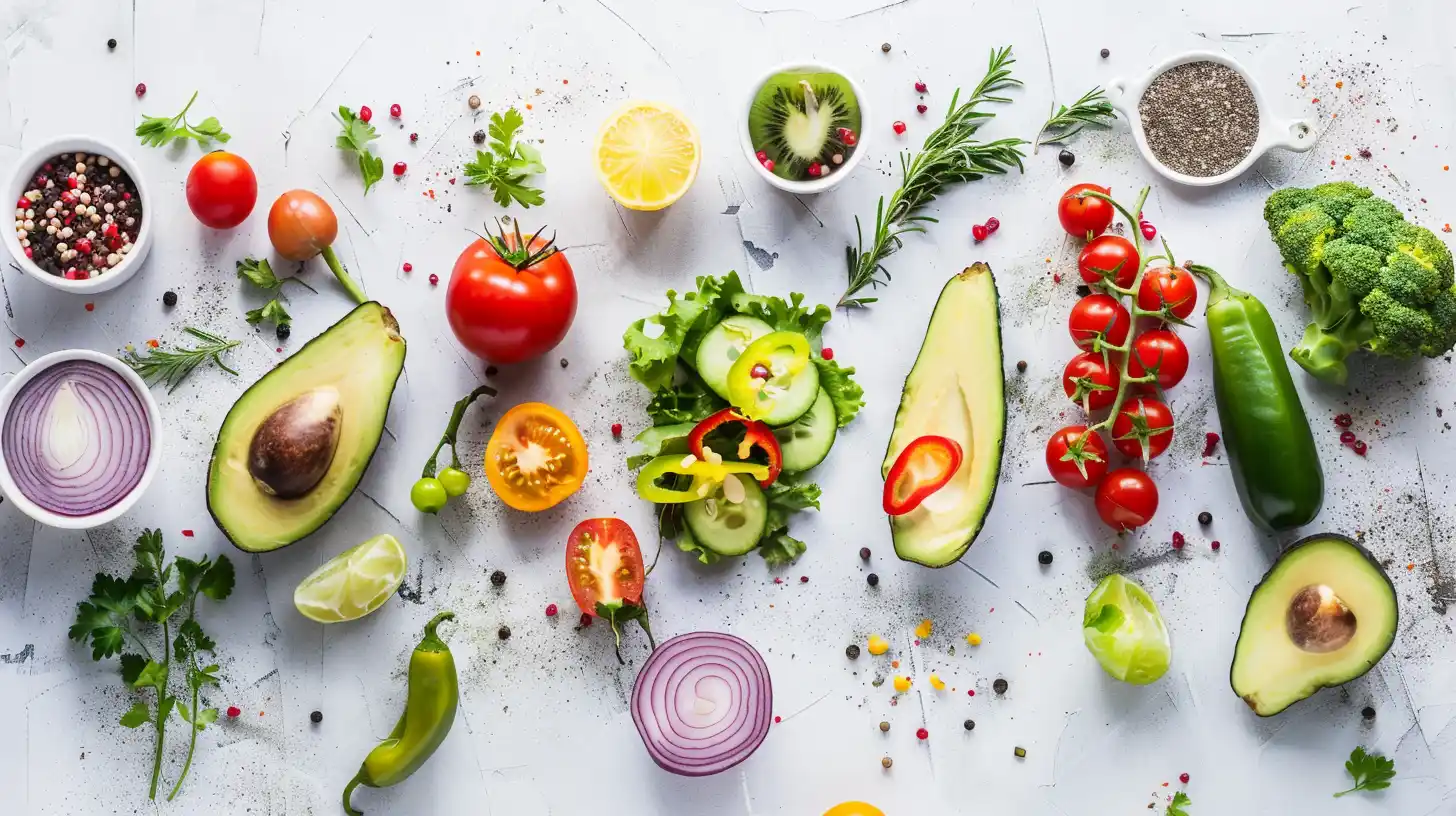
New to Mexican cuisine? This beginner-friendly Mexican diet plan introduces you to the vibrant flavors and wholesome ingredients typical of Mexican cooking, in a simple and approachable way.
Diet plan grocery list
Diet plan overview
If you're new to Mexican cuisine, the mexican diet plan for beginners is a fantastic way to dive in. This plan introduces you to the staples of Mexican cooking, like beans, rice, and corn, and shows you how to use them in a variety of healthy dishes. You'll learn how to balance flavors and nutrition in meals that are vibrant and satisfying.
This diet isn't just about enjoying Mexican food; it's about integrating it into a healthy lifestyle. Each meal is designed to be nutritionally complete, ensuring you get a good mix of macronutrients and micronutrients.
Foods to eat
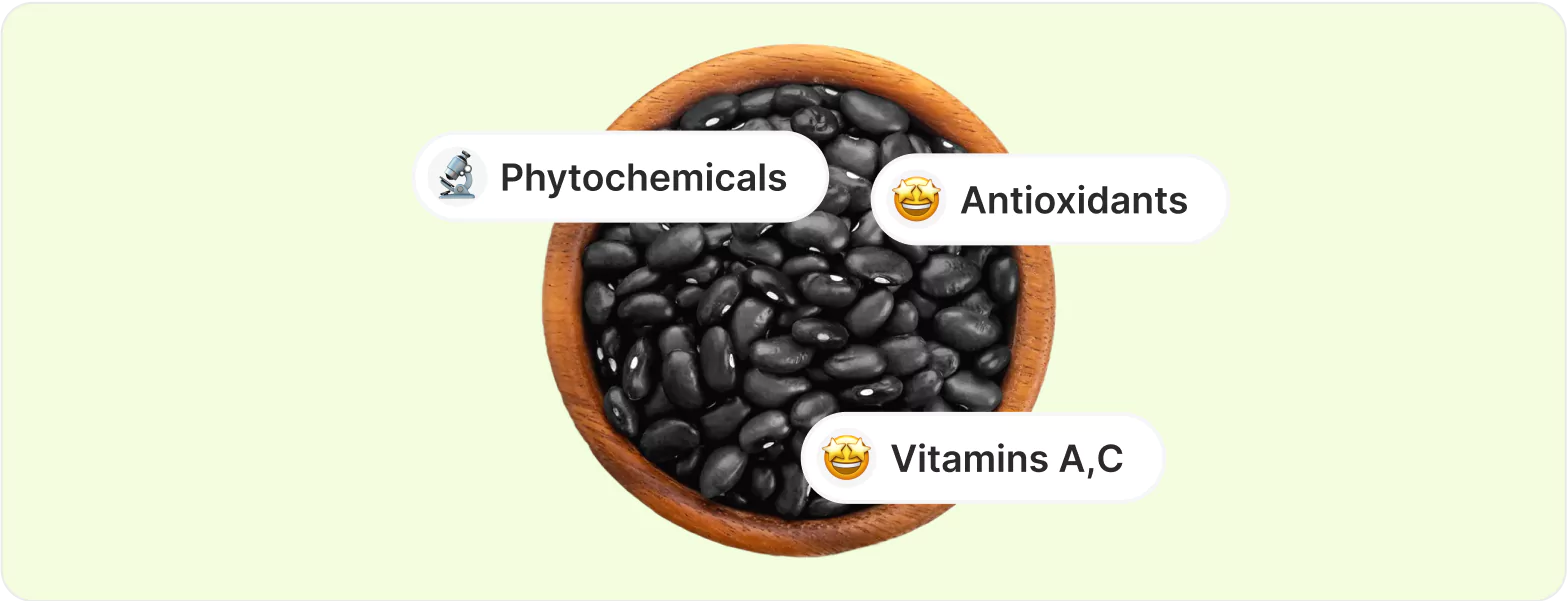
- Beans and Legumes: Rich in fiber and protein, including black beans, pinto beans, and lentils.
- Fresh Vegetables: Focus on colorful varieties like bell peppers, tomatoes, and zucchinis.
- Whole Grains: Quinoa, brown rice, and whole corn tortillas are great carbohydrate sources.
- Lean Proteins: Chicken, turkey, and fish to keep meals balanced and nutritious.
- Healthy Fats: Avocados and nuts provide essential fatty acids and add richness to dishes.
Tip
Experiment with cactus (nopales); it's a staple in Mexican cuisine and a low-calorie addition to dishes that packs a nutritious punch.
Foods not to eat
- Refined Sugars: Avoid sodas, sweets, and anything with added sugars.
- Fried Foods: Minimize intake of deep-fried dishes like churros or crispy tacos.
- Heavy Dairy: Limit full-fat cheeses and creams to reduce saturated fat intake.
- Processed Meats: Steer clear of sausages and bacon that are high in sodium and preservatives.
- Excessive Salt: Cut back on added salt in cooking and at the table.
Main benefits
Embracing the mexican diet plan for beginners brings a kaleidoscope of flavors that make eating healthy a joyful experience. This diet introduces newcomers to a balance of fresh vegetables, beans, and lean meats that are staples in Mexican cuisine, supporting overall well-being and energy levels. It’s particularly effective in easing the transition to healthier eating habits through familiar, yet nutritionally rich, meals. Plus, the incorporation of spices and herbs enhances metabolic rate, which can aid in managing weight without sacrificing taste.

How to budget on this diet plan
Start with basic ingredients that are versatile and inexpensive like beans, rice, and corn tortillas. Mexican cuisine uses a lot of the same spices, so buy them in bulk and mix your own blends. Street food recipes are usually cheap to make and packed with flavor. Plan your meals around sales and seasonal produce to keep costs down. Make larger batches of stews and chili, as they often taste better the next day and will stretch further.
Meal plan suggestion
Day 1
- Breakfast: Scrambled eggs with diced Roma tomatoes and cilantro
- Lunch: Grilled chicken breast with brown rice and sautéed zucchini
- Dinner: Pork loin tacos with corn tortillas, red onion, and avocado
- Snack: Fresh mango slices
Day 2
- Breakfast: Smoothie with papaya, coconut milk, and vanilla extract
- Lunch: Pinto beans with quinoa and roasted sweet potato
- Dinner: Baked tilapia with chayote and lime
- Snack: Queso fresco with sliced avocado
Day 3
- Breakfast: Omelet with spinach, red onion, and Serrano peppers
- Lunch: Shrimp salad with Roma tomatoes, cilantro, and lime
- Dinner: Chicken and black bean burrito with corn tortillas
- Snack: Plantain chips with cinnamon
Day 4
- Breakfast: Avocado toast on corn tortillas with a side of papaya
- Lunch: Pork loin with brown rice and sautéed chayote
- Dinner: Tilapia tacos with tomatillo salsa, cilantro, and lime
- Snack: Mango with a dash of chili powder
Day 5
- Breakfast: Scrambled eggs with black beans and spinach
- Lunch: Quinoa salad with avocado, Roma tomatoes, and lime
- Dinner: Grilled shrimp with sweet potato and red onion
- Snack: Fresh papaya slices with lime
Day 6
- Breakfast: Smoothie with mango, whole milk, and vanilla extract
- Lunch: Chicken breast with quinoa and sautéed zucchini
- Dinner: Pork loin with pinto beans and avocado
- Snack: Plantain chips with cinnamon
Day 7
- Breakfast: Omelet with red onion, jalapeño peppers, and cilantro
- Lunch: Black bean and sweet potato tacos with corn tortillas
- Dinner: Shrimp with brown rice, tomatillos, and lime
- Snack: Queso fresco with sliced mango
Want to learn more?
Keep in mind
Other diet plans
-

Carnivore diet plan for diabetics
This diet plan on the carnivore diet for diabetic individuals is quite low on carbs while approximating almost 100 percent in protein and fats. This helps to control blood sugar levels. Avoiding sugars and most of carbs can make it possible to have diabetes well under control. It is a radical but straightforward dietary intervention which should be done with supervision and guidance from health practitioners.
-

Carnivore diet plan for healthy eating
Healthy eating in the carnivore diet plan comprises a range of nutrient-dense sourced meats, such as organs and bone broths, which contain critical vitamins and minerals. It aims to eliminate inflammatory reactions, which are characteristic of some lifestyle diseases, and cut back the diet to essential nutrients. It may seem limiting, however, it facilitates looking deeper into the quality of every piece of meat cuisine.
-

Carnivore diet plan for beginners
The following carnivore beginner’s plan is especially intended for those who are new to the carnivore way of life. It begins by eating only meat instead of animal-based foods. Just after a few weeks or so, start introducing other types of food, such as fish, poultry, and organ meat. No complicated steps involved - learn the basics of meat preparation and accommodate a new food pattern.