
Mexican diet plan for elimination diet
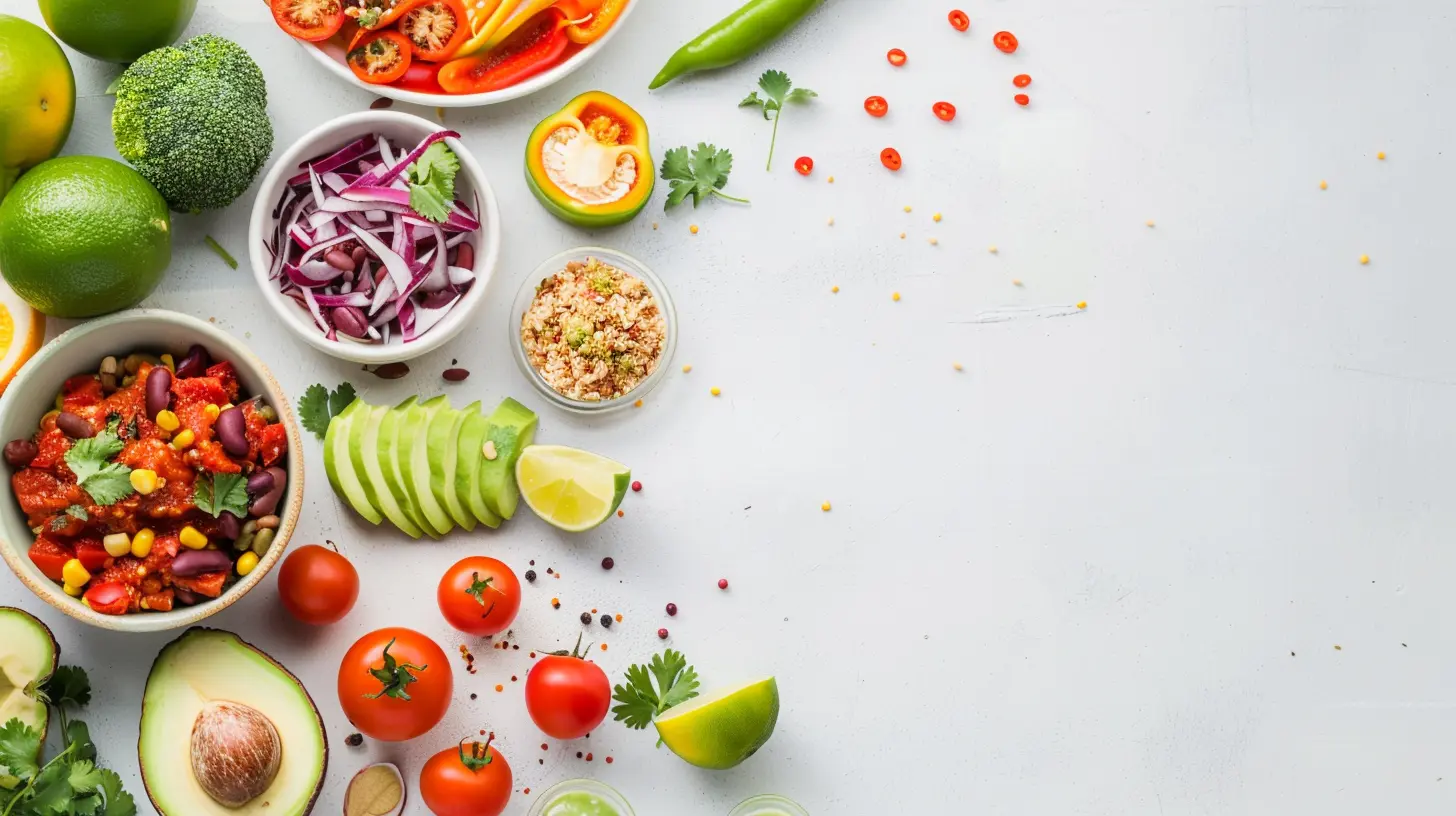
This plan focuses on identifying foods that might not agree with you. Using Mexican cuisine staples like corn, beans, and squash, it simplifies meals to help pinpoint allergies or intolerances. It’s a flavorful approach to a usually restrictive diet.
Diet plan grocery list
Diet plan overview
An elimination diet doesn't have to be bland, and incorporating Mexican cuisine can make it both enjoyable and effective. The mexican diet plan for elimination diet focuses on removing common allergens and irritants like dairy, gluten, and soy, replacing them with rich, flavorful alternatives such as fresh corn tortillas, cilantro-lime rice, and grilled nopales. These ingredients not only comply with dietary restrictions but also ensure meals are hearty and satisfying.
By introducing a variety of spices and herbs inherent to Mexican cooking, such as oregano, cumin, and chili, the diet maintains its appeal without compromising on flavor. This approach helps identify food sensitivities more pleasantly and effectively, with meals that look forward to rather than endure.

Foods to eat
- Plain Grilled Chicken: Simple and unseasoned, perfect for keeping allergens at bay.
- Rice: Easy to digest and typically well-tolerated by most individuals on an elimination diet.
- Steamed Vegetables: Such as zucchini and carrots, without any added sauces or seasonings.
- Fresh Fruits: Like apples and pears, are simple and less likely to cause dietary reactions.
- Homemade Bone Broth: Nutritious and free from the additives found in commercial varieties.
Tip
For an elimination diet, incorporate nopales (cactus paddles); they're hypoallergenic and packed with fiber and antioxidants.
Foods not to eat
- Spicy Foods: Avoid chili peppers and hot spices which can irritate the digestive system.
- Dairy Products: Common allergens and should be excluded initially.
- Gluten-Containing Grains: Such as wheat, barley, and rye are to be avoided.
- Nuts and Seeds: These can be allergenic and should be avoided in the initial phases.
- Processed Foods: Often contain hidden ingredients that could trigger symptoms.
Main benefits
Tailored to reduce inflammation and identify food sensitivities, the mexican diet plan for elimination diet offers a flavorful twist on traditional elimination protocols. By incorporating Mexican cuisine, this plan utilizes spices and herbs known for their anti-inflammatory properties, making the discovery process not only bearable but enjoyable. Plus, it encourages a whole-food approach, ensuring each meal is balanced and vibrant, enhancing overall nutritional intake during the elimination phase. It's a culinary journey that enlightens your diet and your palate.
How to budget on this diet plan
When doing an elimination diet, focus on basic, whole ingredients like fresh vegetables and rice, which are cheaper than processed foods. Shop at local markets for the best deals on produce. Cooking in bulk can save both time and money, and you can freeze extras for later. Stick to homemade salsas and seasonings to avoid hidden additives and keep costs down. Use beans as a protein source, they're affordable and versatile.
Meal plan suggestion
Day 1
- Breakfast: Oats with blueberries, bananas, and honey
- Lunch: Grilled chicken breast with quinoa, spinach, and tomatoes
- Dinner: Baked salmon with sweet potato and zucchini
- Snack: Mango slices with plain yogurt
Day 2
- Breakfast: Scrambled eggs with bell peppers and onions
- Lunch: Lean beef salad with avocado, tomatoes, and cilantro
- Dinner: Chicken and black bean tacos with corn tortillas and lime
- Snack: Pineapple slices with cinnamon
Day 3
- Breakfast: Quinoa porridge with almonds, honey, and cinnamon
- Lunch: Grilled salmon with brown rice and spinach
- Dinner: Beef stir-fry with zucchini, bell peppers, and garlic
- Snack: Papaya slices with plain yogurt
Day 4
- Breakfast: Smoothie with mango, pineapple, banana, and plain yogurt
- Lunch: Chicken and avocado salad with lime and cilantro
- Dinner: Grilled lean beef with sweet potato and carrots
- Snack: Blueberries with goat cheese
Day 5
- Breakfast: Oats with mango, almonds, and honey
- Lunch: Salmon and black bean salad with tomatoes and cilantro
- Dinner: Chicken and vegetable stir-fry with zucchini and bell peppers
- Snack: Banana with pumpkin seeds
Day 6
- Breakfast: Scrambled eggs with spinach and tomatoes
- Lunch: Grilled lean beef with quinoa and avocado
- Dinner: Baked salmon with brown rice and carrots
- Snack: Pineapple slices with coconut oil
Day 7
- Breakfast: Quinoa porridge with banana, blueberries, and honey
- Lunch: Chicken and black bean tacos with corn tortillas, onions, and lime
- Dinner: Grilled lean beef with sweet potato and zucchini
- Snack: Papaya slices with almonds
Want to learn more?
Keep in mind
Other diet plans
-

Carnivore diet plan for diabetics
This diet plan on the carnivore diet for diabetic individuals is quite low on carbs while approximating almost 100 percent in protein and fats. This helps to control blood sugar levels. Avoiding sugars and most of carbs can make it possible to have diabetes well under control. It is a radical but straightforward dietary intervention which should be done with supervision and guidance from health practitioners.
-

Carnivore diet plan for healthy eating
Healthy eating in the carnivore diet plan comprises a range of nutrient-dense sourced meats, such as organs and bone broths, which contain critical vitamins and minerals. It aims to eliminate inflammatory reactions, which are characteristic of some lifestyle diseases, and cut back the diet to essential nutrients. It may seem limiting, however, it facilitates looking deeper into the quality of every piece of meat cuisine.
-

Carnivore diet plan for beginners
The following carnivore beginner’s plan is especially intended for those who are new to the carnivore way of life. It begins by eating only meat instead of animal-based foods. Just after a few weeks or so, start introducing other types of food, such as fish, poultry, and organ meat. No complicated steps involved - learn the basics of meat preparation and accommodate a new food pattern.