
Mexican diet plan for gaining weight
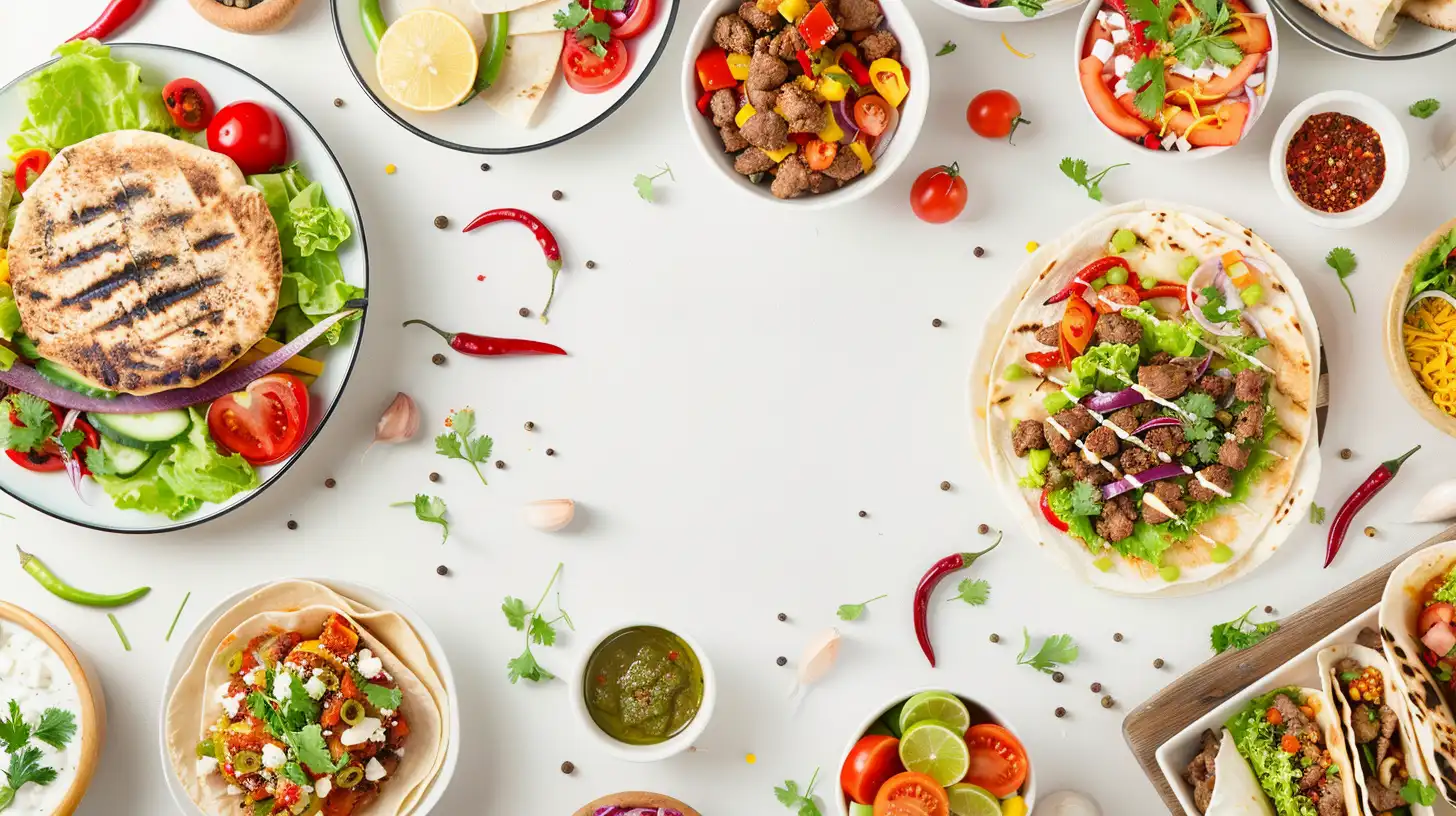
If you're looking to add some pounds, this Mexican diet plan for gaining weight offers calorie-rich yet balanced meals. Enjoy hearty portions and nutrient-dense foods that help you reach your weight goals tastefully.
Diet plan grocery list
Diet plan overview
Need to add some pounds in a healthy way? The mexican diet plan for gaining weight focuses on nutrient-dense, calorie-rich Mexican foods to help you increase your caloric intake without resorting to unhealthy junk food. You'll enjoy hearty dishes like quesadillas, burritos, and rice bowls that are not only filling but also packed with good fats, proteins, and carbohydrates.
This diet plan is designed to be balanced and satisfying, with a focus on meals that provide a sustained energy boost. It's perfect for those who need a bit more bulk but want to keep things wholesome and nutritious.

Foods to eat
- High-Calorie Nuts and Nut Butters: Peanuts, almonds, cashew nuts, and their butters for dense protein and calorie intake.
- Whole Milk and Full-Fat Dairy: For added calories and protein, including cheeses and full-fat yogurt.
- Starchy Vegetables: Potatoes, sweet potatoes, and corn, which are high in carbohydrates and help in weight gain.
- Lean and Fatty Meats: Beef, pork, and lamb to provide high-quality protein and essential fats.
- Dried Fruits: High in natural sugars and calories, perfect for adding to meals or snacks.
Tip
Use avocado slices to top nearly everything; they're loaded with healthy fats and calories, perfect for healthy weight gain.
Foods not to eat
- Low-Calorie Vegetables: Such as cucumbers, celery, and leafy greens that provide few calories.
- Diet or Low-Fat Products: Avoid as they offer fewer calories and are less effective for weight gain.
- Light Dressings: Skip low-calorie sauces and dressings; opt for richer options.
- Lean Proteins Alone: Combine with fats and carbs for balanced calorie intake.
- Skimmed Milk: Choose whole milk instead for higher calorie content.
Main benefits
Implementing the mexican diet plan for gaining weight can be a delightful way to increase calorie intake without resorting to unhealthy foods. It emphasizes calorie-dense yet nutritious options like homemade tortillas, cheese, and creamy sauces. The balanced approach ensures a steady gain in lean mass rather than just fat, supported by wholesome ingredients. Moreover, the energy-dense meals help maintain an active lifestyle essential for healthy weight gain.
How to budget on this diet plan
Invest in calorie-dense but inexpensive foods like peanuts and bananas. Cooking with olive or avocado oil can add healthy calories without breaking the bank. Smoothies are a great way to consume more calories and can be made cheaply at home with frozen fruits. Whole milk and full-fat yogurts can be good options for adding extra calories. Look for bulk deals on carbs like pasta and rice to build up your meals.
Meal plan suggestion
Day 1
- Breakfast: Oatmeal with Greek yogurt, chia seeds, and sliced bananas
- Lunch: Grilled chicken breast with quinoa, spinach, and avocado salad
- Dinner: Beef steak with sweet potatoes and steamed broccoli
- Snack: Cottage cheese with mango slices
Day 2
- Breakfast: Scrambled eggs with tomatoes, spinach, and feta cheese
- Lunch: Pork loin with brown rice, red bell peppers, and kale
- Dinner: Salmon with quinoa and roasted red bell peppers
- Snack: Greek yogurt with almonds and honey
Day 3
- Breakfast: Smoothie with coconut milk, avocado, and papaya
- Lunch: Tuna salad with black beans, corn, and spinach
- Dinner: Grilled chicken breast with millet and steamed broccoli
- Snack: Peanut butter on whole wheat tortillas with banana slices
Day 4
- Breakfast: Greek yogurt with oats, chia seeds, and mango slices
- Lunch: Beef steak with lentils, quinoa, and kale
- Dinner: Salmon with sweet potatoes and sautéed spinach
- Snack: Cottage cheese with sliced plantains
Day 5
- Breakfast: Scrambled eggs with spinach, tomatoes, and feta cheese
- Lunch: Pork loin with brown rice, steamed broccoli, and red bell peppers
- Dinner: Tuna with quinoa and avocado salad
- Snack: Greek yogurt with sliced bananas and almonds
Day 6
- Breakfast: Smoothie with coconut milk, mango, and chia seeds
- Lunch: Grilled chicken breast with black beans, corn, and spinach
- Dinner: Beef steak with millet, sweet potatoes, and steamed broccoli
- Snack: Peanut butter on whole wheat tortillas with papaya slices
Day 7
- Breakfast: Oatmeal with Greek yogurt, chia seeds, and papaya slices
- Lunch: Salmon with quinoa, kale, and red bell peppers
- Dinner: Pork loin with brown rice, avocado, and sautéed spinach
- Snack: Cottage cheese with sliced mango and almonds
Want to learn more?
Keep in mind
Other diet plans
-

Carnivore diet plan for diabetics
This diet plan on the carnivore diet for diabetic individuals is quite low on carbs while approximating almost 100 percent in protein and fats. This helps to control blood sugar levels. Avoiding sugars and most of carbs can make it possible to have diabetes well under control. It is a radical but straightforward dietary intervention which should be done with supervision and guidance from health practitioners.
-

Carnivore diet plan for healthy eating
Healthy eating in the carnivore diet plan comprises a range of nutrient-dense sourced meats, such as organs and bone broths, which contain critical vitamins and minerals. It aims to eliminate inflammatory reactions, which are characteristic of some lifestyle diseases, and cut back the diet to essential nutrients. It may seem limiting, however, it facilitates looking deeper into the quality of every piece of meat cuisine.
-

Carnivore diet plan for beginners
The following carnivore beginner’s plan is especially intended for those who are new to the carnivore way of life. It begins by eating only meat instead of animal-based foods. Just after a few weeks or so, start introducing other types of food, such as fish, poultry, and organ meat. No complicated steps involved - learn the basics of meat preparation and accommodate a new food pattern.