
Mexican diet plan for type 2 diabetes
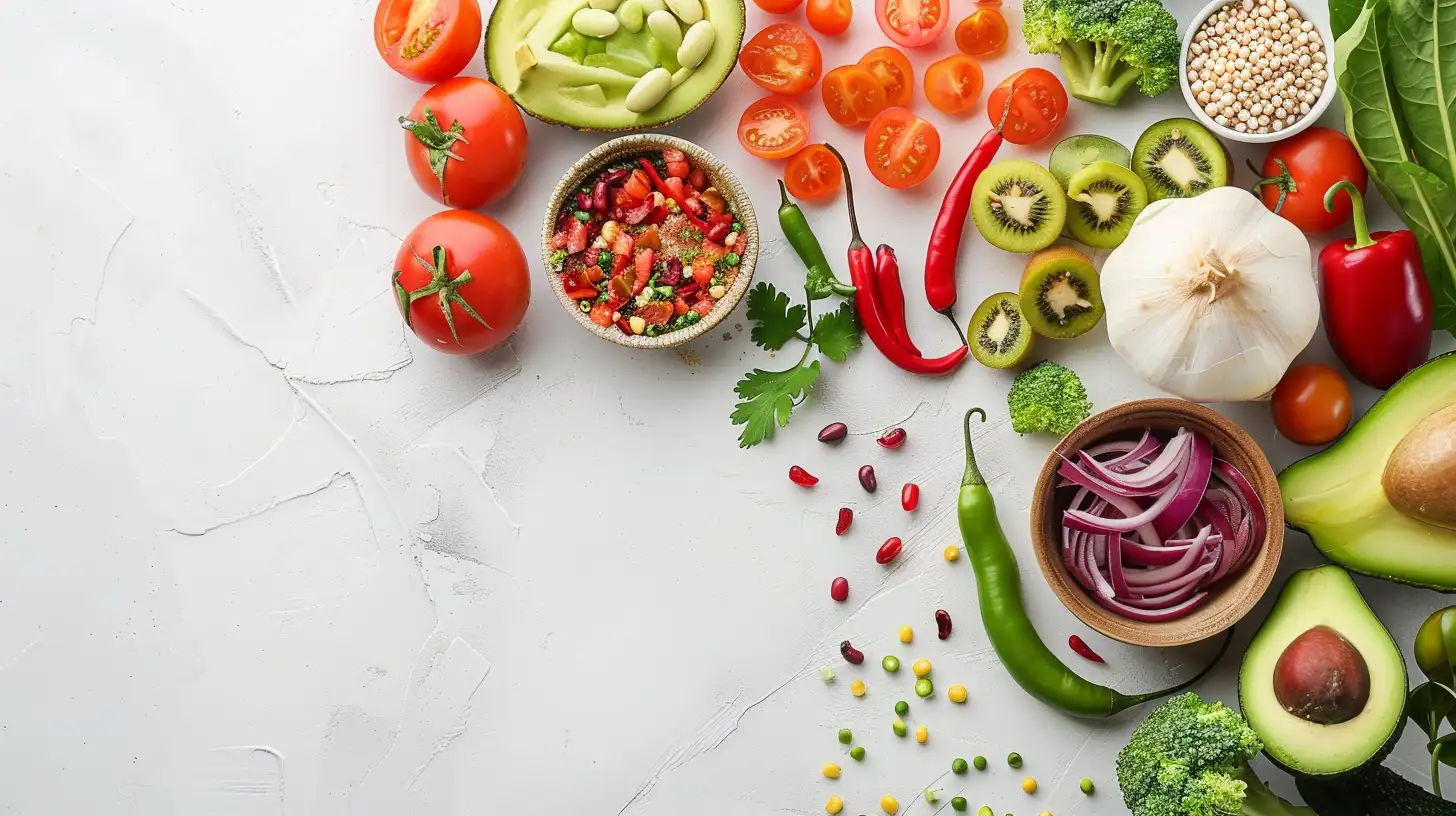
Tailored for those managing type 2 diabetes, this Mexican diet plan prioritizes low-glycemic ingredients and balanced meals to help control blood sugar levels. Enjoy the traditional tastes of Mexico, made healthier.
Diet plan grocery list
Diet plan overview
Managing type 2 diabetes with a flavorful diet is entirely possible with the mexican diet plan for type 2 diabetes. This plan focuses on low-glycemic Mexican foods that help maintain stable blood sugar levels. Foods rich in fiber, such as beans and whole grains, are staples, along with plenty of fresh vegetables to round out the meals.
This diet emphasizes the importance of balanced eating and portion control, which are key in managing diabetes. The recipes are designed to be delicious and satisfying, ensuring you enjoy your meals while keeping your health in check.

Foods to eat
- High-Fiber Whole Grains: Such as barley and whole wheat to help manage blood sugar levels.
- Lean Protein Sources: Grilled chicken, turkey, and fish for healthy muscle maintenance.
- Non-Starchy Vegetables: Including broccoli, carrots, and bell peppers to add bulk and nutrients without significant sugar increases.
- Legumes: Beans and lentils that are low in glycemic index and rich in fiber.
- Nuts and Seeds: Small portions of almonds, walnuts, and chia seeds for healthy fats and protein.
Tip
Balance your plate with chia seeds in your agua fresca to help regulate blood sugar spikes.
Foods not to eat
- Refined Sugars: Sodas, desserts, and candies that spike blood sugar levels should be avoided.
- High-Fat Meats: Sausages, bacon, and fatty cuts of meat that can worsen heart health.
- Full-Fat Dairy: Cream and high-fat cheeses can contribute to cholesterol issues.
- Deep-Fried Foods: Fried tacos, chips, and other foods in heavy oil are not recommended.
- White Bread and Pasta: Low in fiber and high in glycemic impact, not suitable for managing diabetes.
Main benefits
The mexican diet plan for type 2 diabetes is tailored to maintain stable blood glucose levels through low-glycemic index foods. Traditional dishes are modified to reduce sugars and increase fiber, which aids in slow glucose absorption and better insulin control. Ingredients like whole beans and fresh vegetables are staples, helping to manage diabetes while still enjoying the richness of Mexican cuisine. This diet not only manages symptoms but also enriches the dining experience.
How to budget on this diet plan
Stick to a diet rich in fibers like leafy greens and non-starchy vegetables, which are generally low in cost. Avoid sugary processed foods, which tend to be more expensive and unhealthy. Buy whole grains in bulk; they’re good for blood sugar management and wallet-friendly. Look for sales on lean meats and fatty fish to incorporate into your meals. Prepare snacks at home, like cutting up veggies or making trail mixes, to avoid the high cost of pre-packaged items.
Meal plan suggestion
Day 1
- Breakfast: Scrambled eggs with spinach and tomatoes, corn tortillas
- Lunch: Grilled chicken breast with quinoa, sautéed bell peppers and onions
- Dinner: Baked cod with salsa verde, zucchini, and brown rice
- Snack: Papaya with plain Greek yogurt
Day 2
- Breakfast: Oatmeal with blueberries, cinnamon, and a splash of skim milk
- Lunch: Shrimp salad with avocado, jicama, and cilantro-lime dressing
- Dinner: Chicken and black bean stew with chayote and tomatoes
- Snack: Mango with a sprinkle of chile powder
Day 3
- Breakfast: Quinoa porridge with almond milk, cacao nibs, and a dash of cinnamon
- Lunch: Spinach and cheddar cheese quesadilla on corn tortillas
- Dinner: Grilled shrimp with zucchini, bell peppers, and brown rice
- Snack: Sliced jicama with lime and chile powder
Day 4
- Breakfast: Greek yogurt with blueberries, almonds, and a drizzle of honey
- Lunch: Cod tacos with avocado, salsa verde, and corn tortillas
- Dinner: Chicken breast with sautéed spinach and garlic, quinoa
- Snack: Papaya slices with lime
Day 5
- Breakfast: Spinach and tomato omelette, corn tortillas
- Lunch: Black bean and quinoa salad with bell peppers and cilantro
- Dinner: Grilled cod with chayote, zucchini, and brown rice
- Snack: Mango slices with lime
Day 6
- Breakfast: Oatmeal with papaya, cacao nibs, and a sprinkle of cinnamon
- Lunch: Chicken and avocado salad with lime and cilantro
- Dinner: Shrimp stir-fry with bell peppers, onions, and brown rice
- Snack: Greek yogurt with blueberries and almonds
Day 7
- Breakfast: Greek yogurt with mango, almonds, and a drizzle of honey
- Lunch: Spinach and cheddar cheese quesadilla on corn tortillas
- Dinner: Grilled chicken with salsa verde, quinoa, and sautéed zucchini
- Snack: Papaya slices with lime
Want to learn more?
Keep in mind
Other diet plans
-

Carnivore diet plan for diabetics
This diet plan on the carnivore diet for diabetic individuals is quite low on carbs while approximating almost 100 percent in protein and fats. This helps to control blood sugar levels. Avoiding sugars and most of carbs can make it possible to have diabetes well under control. It is a radical but straightforward dietary intervention which should be done with supervision and guidance from health practitioners.
-

Carnivore diet plan for healthy eating
Healthy eating in the carnivore diet plan comprises a range of nutrient-dense sourced meats, such as organs and bone broths, which contain critical vitamins and minerals. It aims to eliminate inflammatory reactions, which are characteristic of some lifestyle diseases, and cut back the diet to essential nutrients. It may seem limiting, however, it facilitates looking deeper into the quality of every piece of meat cuisine.
-

Carnivore diet plan for beginners
The following carnivore beginner’s plan is especially intended for those who are new to the carnivore way of life. It begins by eating only meat instead of animal-based foods. Just after a few weeks or so, start introducing other types of food, such as fish, poultry, and organ meat. No complicated steps involved - learn the basics of meat preparation and accommodate a new food pattern.