
Nut-free diet plan for seniors

If you're a senior looking for a nut-free diet plan, it can help manage your dietary needs safely. Steering clear of nuts can reduce allergens and simplify your food choices. There are plenty of nutritious, nut-free foods that can support your health and keep meals enjoyable.
Diet plan grocery list
Diet plan overview
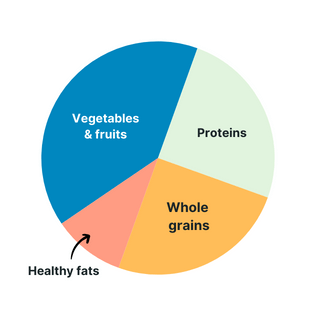
A nut-free diet plan for seniors focuses on nutrient-dense foods that support aging bodies while avoiding nuts. Emphasize lean proteins, whole grains, and plenty of fruits and vegetables. Calcium-rich foods like dairy products are important for bone health.
Easy-to-prepare meals such as baked fish with steamed broccoli or a hearty vegetable stew can be satisfying and nutritious. Snacks like yogurt with berries or sliced cucumber with hummus are both convenient and healthy. This diet helps seniors maintain their health without the worry of nut allergies.
Foods to eat
- Soft Fruits: Bananas, peaches, and berries are easy to digest and nutritious.
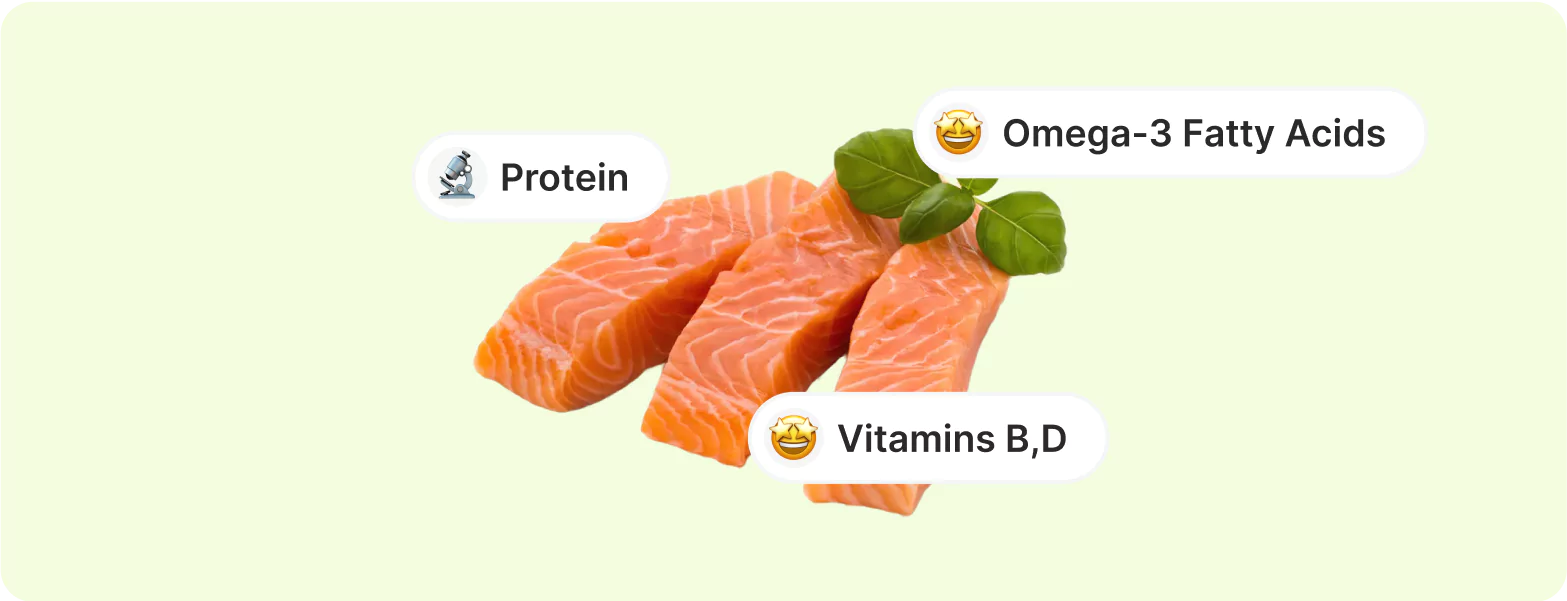
- Lean Meats: Chicken, turkey, and fish provide necessary protein for muscle maintenance.
- Whole Grain Cereals: Oatmeal and whole grain bread are good for digestive health and energy.
- Calcium-rich Dairy: Milk, yogurt, and cheese help maintain bone strength.
- Leafy Greens: Spinach, kale, and lettuce offer vitamins and minerals beneficial for aging bodies.
Tip
Calcium power! Choose nut-free options like dairy products or leafy greens to support bone health as you age.
Foods not to eat
- Nuts and Nut Butters: Avoid these to prevent allergic reactions and digestive issues.
- Nut-based Snacks: Stay away from trail mixes and nutty granola bars.
- Baked Goods with Nuts: Check labels on cookies, cakes, and pastries for nut content.
- Nutty Sauces: Peanut sauce and pesto often contain nuts and should be avoided.
- Packaged Foods: Many pre-packaged foods may contain nuts or nut traces, so read labels carefully.
Main benefits
A nut-free diet plan for seniors addresses age-specific nutritional needs without the risk of nut allergies. It supports heart health with omega-3 rich foods like fish and flaxseeds. This diet can help maintain bone health by focusing on calcium and vitamin D-rich foods. Additionally, it encourages a variety of textures and flavors, keeping meals interesting and enjoyable for older adults.
How to budget on this diet plan
Maintaining a healthy diet on a fixed income doesn't require cutting out flavor. Beans and lentils are budget-friendly protein and fiber powerhouses that keep you feeling full. Fatty fish like salmon is a heart-healthy option packed with omega-3s. Frozen fruits and vegetables are your allies again - affordable, convenient, and packed with essential nutrients. Don't forget about spices and herbs - they add flavor without breaking the bank.
Meal plan suggestion
Day 1
- Breakfast: Oatmeal with sliced bananas and blueberries
- Lunch: Grilled chicken breast with quinoa and steamed broccoli
- Dinner: Baked salmon with brown rice and roasted carrots
- Snack: Greek yogurt with strawberries
Day 2
- Breakfast: Scrambled eggs with spinach and whole wheat toast
- Lunch: Ground beef salad with bell peppers, tomatoes, and a vinaigrette
- Dinner: Baked tilapia with sweet potatoes and steamed green beans
- Snack: Cottage cheese with sliced apple
Day 3
- Breakfast: Greek yogurt with sliced banana and a sprinkle of oats
- Lunch: Quinoa salad with cucumber, tomatoes, and chickpeas
- Dinner: Grilled chicken breast with brown rice and steamed broccoli
- Snack: Carrot sticks with hummus
Day 4
- Breakfast: Smoothie with milk, spinach, banana, and blueberries
- Lunch: Tuna salad with mixed greens and a side of whole wheat bread
- Dinner: Ground beef stir-fry with bell peppers, zucchini, and brown rice
- Snack: Apple slices with cheddar cheese
Day 5
- Breakfast: Oatmeal with blueberries and a drizzle of honey
- Lunch: Grilled chicken breast with quinoa and mixed greens
- Dinner: Baked salmon with sweet potatoes and steamed kale
- Snack: Greek yogurt with strawberries
Day 6
- Breakfast: Scrambled eggs with spinach and whole wheat toast
- Lunch: Lentil soup with carrots, onions, and garlic
- Dinner: Grilled tilapia with brown rice and steamed broccoli
- Snack: Cottage cheese with sliced apple
Day 7
- Breakfast: Greek yogurt with sliced banana and a sprinkle of oats
- Lunch: Quinoa salad with cucumber, tomatoes, and black beans
- Dinner: Baked salmon with brown rice and steamed broccoli
- Snack: Carrot sticks with hummus
Want to learn more?
Keep in mind
Other diet plans
-

Carnivore diet plan for diabetics
This diet plan on the carnivore diet for diabetic individuals is quite low on carbs while approximating almost 100 percent in protein and fats. This helps to control blood sugar levels. Avoiding sugars and most of carbs can make it possible to have diabetes well under control. It is a radical but straightforward dietary intervention which should be done with supervision and guidance from health practitioners.
-

Carnivore diet plan for healthy eating
Healthy eating in the carnivore diet plan comprises a range of nutrient-dense sourced meats, such as organs and bone broths, which contain critical vitamins and minerals. It aims to eliminate inflammatory reactions, which are characteristic of some lifestyle diseases, and cut back the diet to essential nutrients. It may seem limiting, however, it facilitates looking deeper into the quality of every piece of meat cuisine.
-

Carnivore diet plan for beginners
The following carnivore beginner’s plan is especially intended for those who are new to the carnivore way of life. It begins by eating only meat instead of animal-based foods. Just after a few weeks or so, start introducing other types of food, such as fish, poultry, and organ meat. No complicated steps involved - learn the basics of meat preparation and accommodate a new food pattern.