
Nut-free diet plan for swimmers
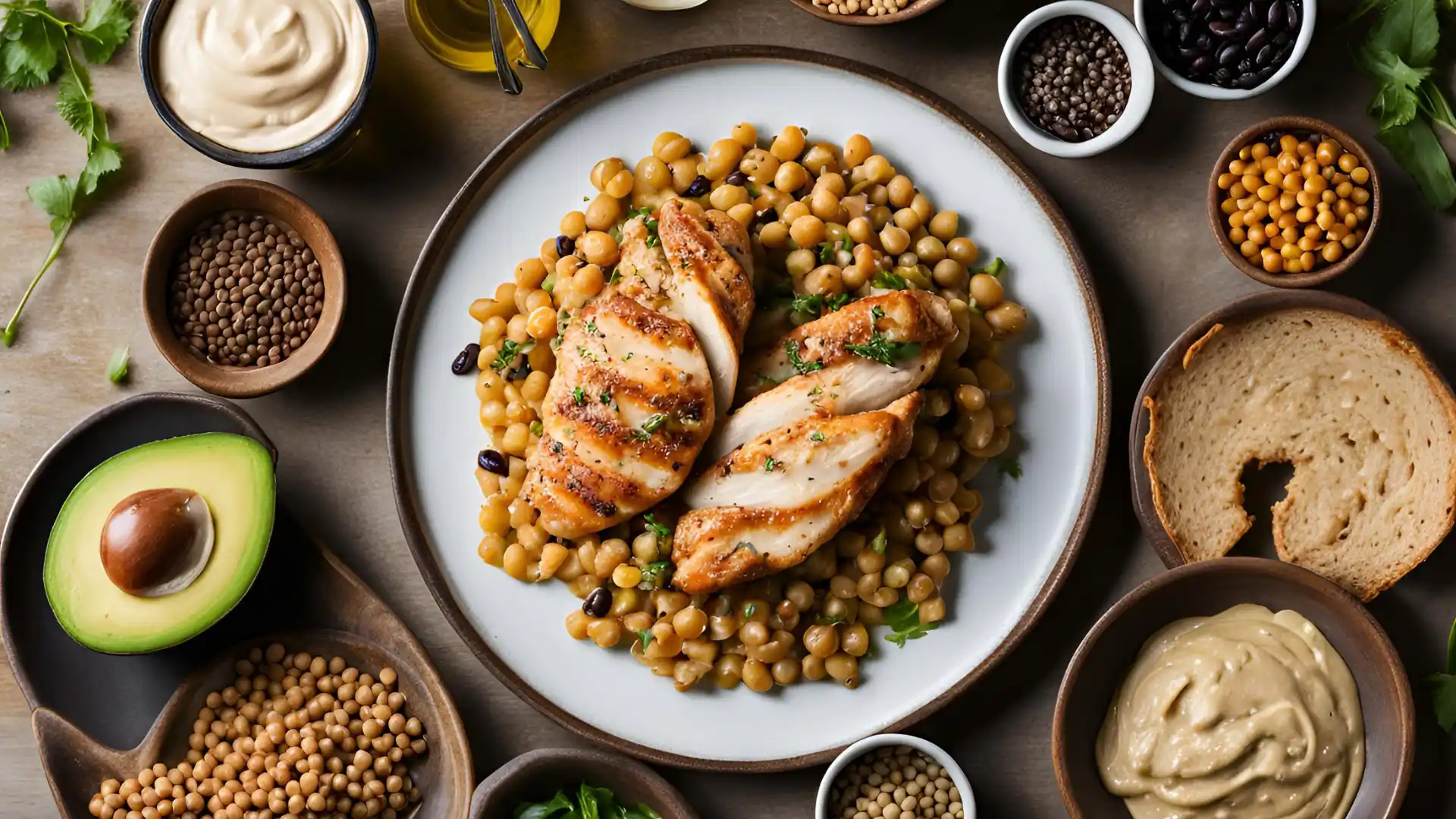
If you're a swimmer and need a nut-free diet plan, it can enhance your performance and recovery. Avoiding nuts can eliminate potential allergens that might affect your training. There are many healthy, nut-free foods that can fuel your swimming sessions and help you stay at the top of your game.
Diet plan grocery list
Diet plan overview
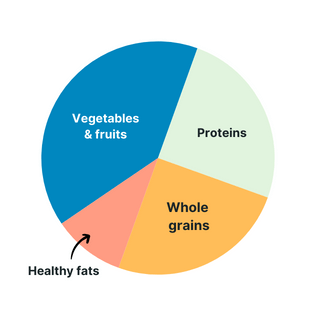
A nut-free diet plan for swimmers is tailored to provide the energy and recovery nutrients needed for intense training. Carbohydrates, lean proteins, and healthy fats are key, so focus on foods like whole grains, chicken, and avocados. Incorporate lots of fruits and vegetables for their vitamins and minerals.
Pre-swim meals can include whole grain toast with banana slices, while post-swim recovery might feature a chicken wrap with plenty of veggies. Staying nut-free ensures swimmers with allergies can maintain peak performance safely and effectively.
Foods to eat
- Complex Carbohydrates: Brown rice, quinoa, and whole grain pasta provide energy for long workouts.
- Lean Proteins: Chicken, turkey, and fish help repair muscles after intense training.
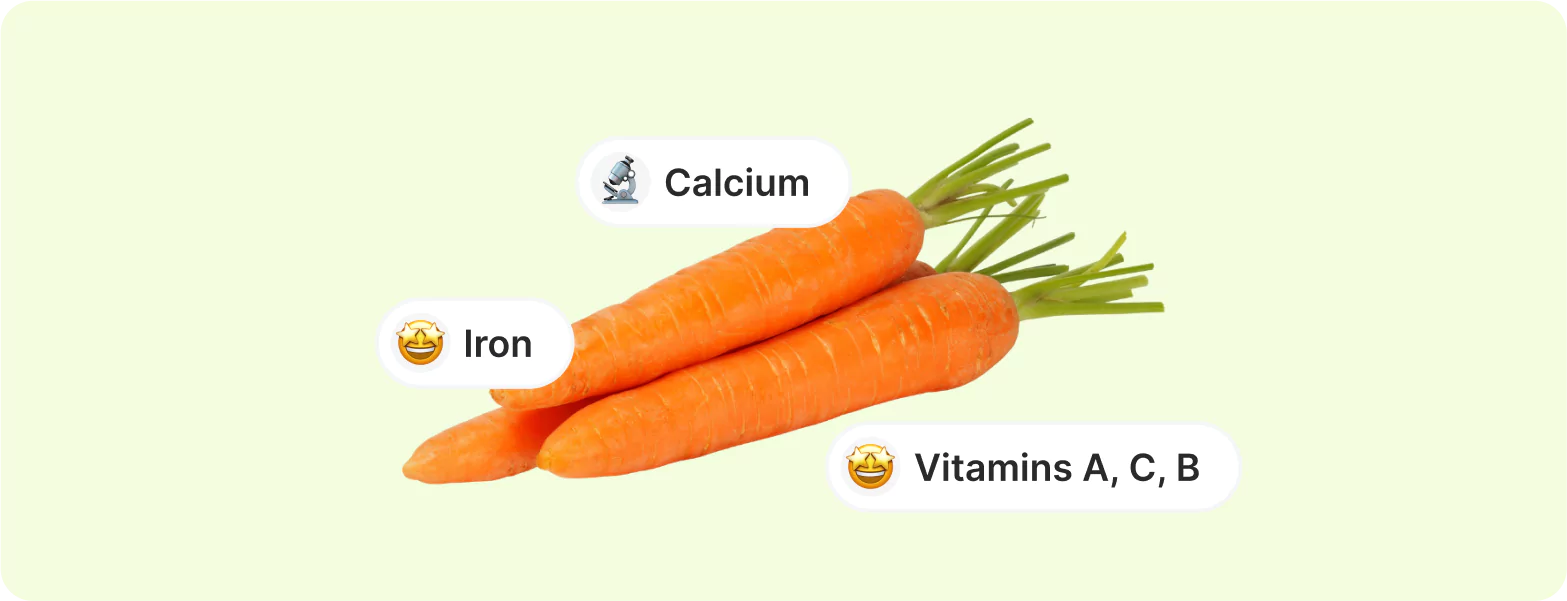
- Fresh Vegetables: Broccoli, spinach, and carrots offer essential vitamins and minerals.
- Hydrating Fruits: Watermelon, oranges, and grapes help maintain hydration levels.
- Greek Yogurt: A good source of protein and probiotics for digestive health.
Tip
Carbohydrate cycle! Include higher-carb meals on swim days for energy, and balance with protein-rich options on rest days for recovery, all nut-free.
Foods not to eat
- Nuts and Nut Butters: Avoid these to prevent allergic reactions during training.
- Energy Bars with Nuts: Many bars contain nuts, so opt for nut-free alternatives.
- Nutty Desserts: Stay away from cakes, cookies, and pastries that contain nuts.
- Nut-based Oils: Avoid cooking with peanut oil or almond oil.
- Processed Foods: Check labels for hidden nuts in processed and packaged foods.
Main benefits
The nut-free diet plan for swimmers provides energy and muscle recovery without the risk of nut-induced allergic reactions. It focuses on carbohydrates for sustained energy and protein for muscle repair from sources like fish, eggs, and legumes. This diet helps prevent the discomfort that can come from nut allergies, ensuring peak performance in the water. Plus, it introduces swimmers to a variety of hydrating and nutrient-dense foods.
How to budget on this diet plan
Conquering the pool doesn't require pricey protein shakes or nut butters. Beans and lentils are your budget-friendly champions again - packed with protein and fiber to keep you energized during long swims. Lean protein sources like chicken breast, fish, and tofu are essential for muscle building and repair. Sweet potatoes are a budget-friendly source of complex carbs for sustained energy. Seeds like pumpkin, sunflower, and chia seeds offer healthy fats and protein as nut alternatives. Pair them with yogurt or smoothies for a satisfying pre or post-swim snack.
Meal plan suggestion
Day 1
- Breakfast: Oatmeal with sliced bananas and blueberries
- Lunch: Grilled chicken breast with quinoa and steamed broccoli
- Dinner: Baked salmon with brown rice and roasted carrots
- Snack: Greek yogurt with strawberries
Day 2
- Breakfast: Smoothie with almond milk, spinach, banana, and blueberries
- Lunch: Ground turkey salad with kale, bell peppers, and a vinaigrette
- Dinner: Baked chicken breast with sweet potatoes and steamed green beans
- Snack: Cottage cheese with sliced apple
Day 3
- Breakfast: Greek yogurt with sliced banana and a sprinkle of oats
- Lunch: Quinoa salad with cucumber, tomatoes, and chickpeas
- Dinner: Grilled salmon with brown rice and steamed broccoli
- Snack: Carrot sticks with hummus
Day 4
- Breakfast: Scrambled eggs with spinach and whole wheat toast
- Lunch: Chicken and vegetable stir-fry with bell peppers and zucchini
- Dinner: Ground turkey tacos with lettuce, tomatoes, and avocado
- Snack: Apple slices with cheddar cheese
Day 5
- Breakfast: Oatmeal with blueberries and a drizzle of honey
- Lunch: Grilled chicken breast with quinoa and mixed greens
- Dinner: Baked salmon with sweet potatoes and steamed kale
- Snack: Greek yogurt with strawberries
Day 6
- Breakfast: Smoothie with almond milk, spinach, banana, and blueberries
- Lunch: Ground turkey salad with kale, bell peppers, and a vinaigrette
- Dinner: Grilled chicken breast with brown rice and roasted carrots
- Snack: Cottage cheese with sliced apple
Day 7
- Breakfast: Greek yogurt with sliced banana and a sprinkle of oats
- Lunch: Quinoa salad with cucumber, tomatoes, and black beans
- Dinner: Baked salmon with brown rice and steamed broccoli
- Snack: Carrot sticks with hummus
Want to learn more?
Keep in mind
Other diet plans
-

Carnivore diet plan for diabetics
This diet plan on the carnivore diet for diabetic individuals is quite low on carbs while approximating almost 100 percent in protein and fats. This helps to control blood sugar levels. Avoiding sugars and most of carbs can make it possible to have diabetes well under control. It is a radical but straightforward dietary intervention which should be done with supervision and guidance from health practitioners.
-

Carnivore diet plan for healthy eating
Healthy eating in the carnivore diet plan comprises a range of nutrient-dense sourced meats, such as organs and bone broths, which contain critical vitamins and minerals. It aims to eliminate inflammatory reactions, which are characteristic of some lifestyle diseases, and cut back the diet to essential nutrients. It may seem limiting, however, it facilitates looking deeper into the quality of every piece of meat cuisine.
-

Carnivore diet plan for beginners
The following carnivore beginner’s plan is especially intended for those who are new to the carnivore way of life. It begins by eating only meat instead of animal-based foods. Just after a few weeks or so, start introducing other types of food, such as fish, poultry, and organ meat. No complicated steps involved - learn the basics of meat preparation and accommodate a new food pattern.