
PCOS diet plan for depression
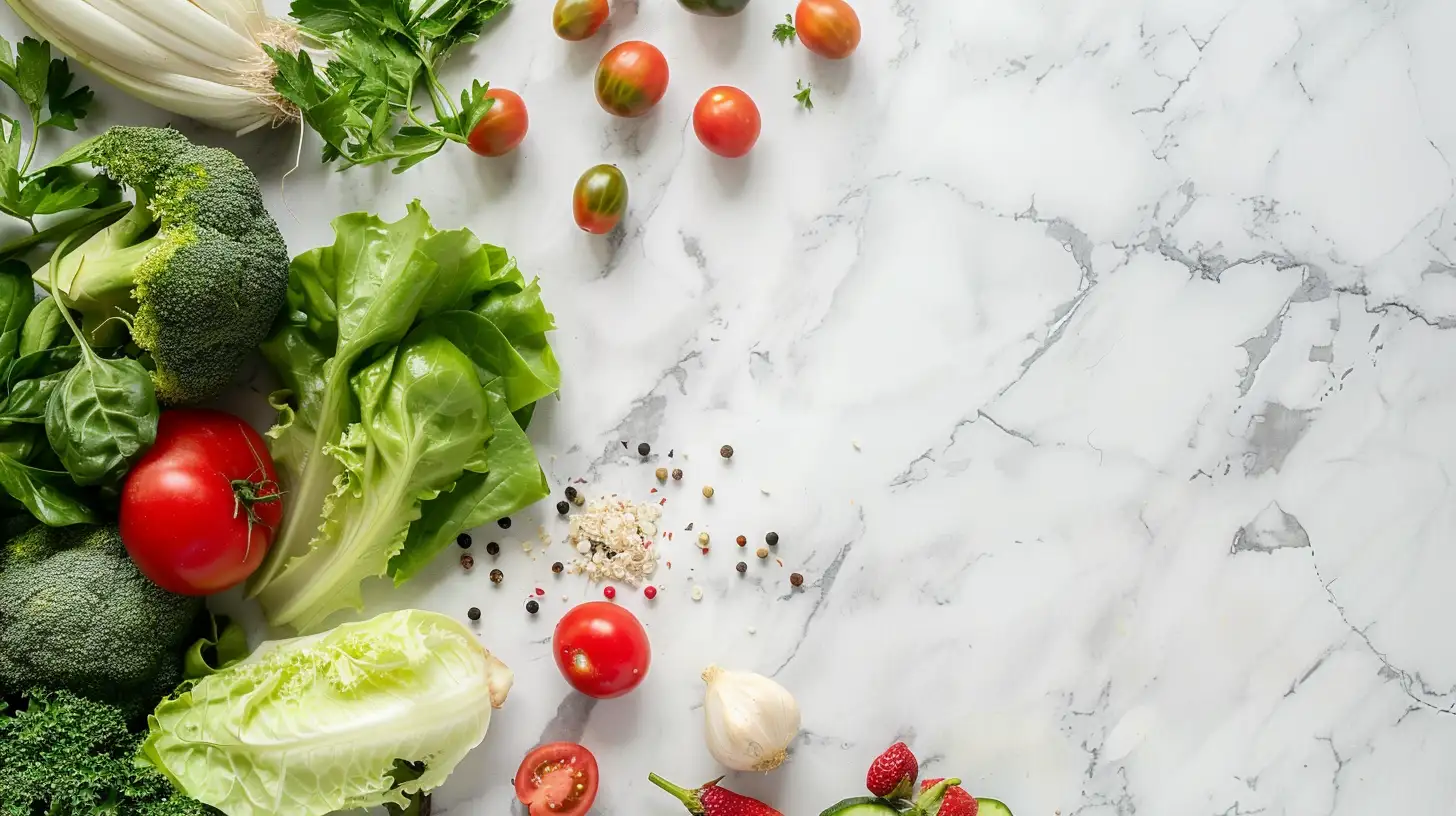
Dealing with PCOS and depression? You’re not alone, and the right diet can make a difference. Certain foods can help manage the hormonal imbalances of PCOS while supporting mental health. It’s about choosing meals that provide stable energy and nurture your mood, making those tough days a bit brighter. Remember, it’s not just about food, it’s about feeling better inside and out.
Diet plan grocery list
Diet plan overview
The pcos diet plan for depression aims to manage mood swings and depressive symptoms by incorporating foods that support brain health and hormonal balance. Nutrient-dense foods like fatty fish, rich in omega-3s, can improve mood. Incorporate leafy greens and whole grains to stabilize blood sugar levels, as fluctuating glucose can exacerbate depression and PCOS symptoms.
Focus on reducing processed foods and sugars which can trigger mood swings and worsen PCOS. Including probiotics through yogurt or kefir can enhance gut health, which is linked to improved mental well-being. This diet encourages regular meals and snacks to keep energy and mood stable throughout the day.
Foods to eat
- Omega-3 Rich Foods: Salmon, flaxseeds, and walnuts to support brain health and mood regulation.
- Whole Grains: Brown rice, oats, and barley to stabilize blood sugar levels and mood.
- B Vitamins: Eggs, dairy, and leafy greens for energy production and nervous system health.
- Probiotic Foods: Yogurt, kefir, and sauerkraut to promote gut health, which is linked to mood.
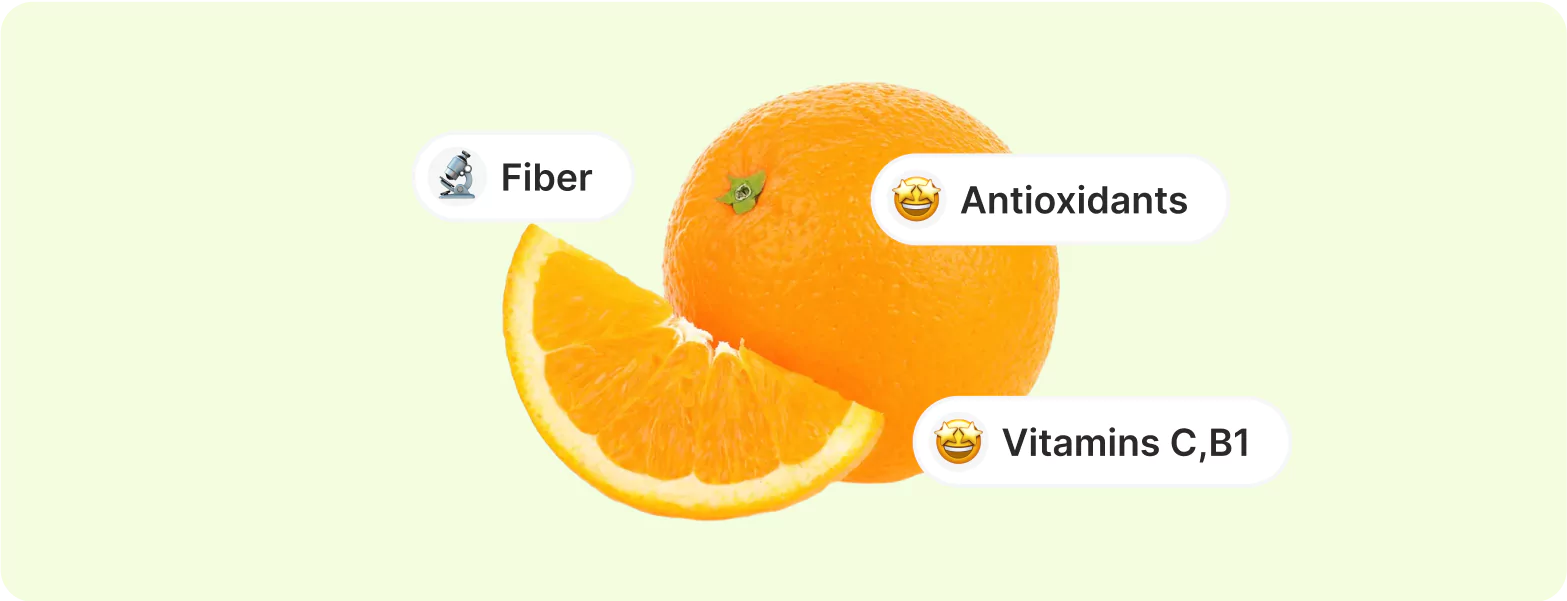
- Antioxidant-rich Fruits: Blueberries, strawberries, and oranges to help combat oxidative stress.
Tip
Incorporate zinc-rich foods like oysters and chickpeas to support better mood regulation and manage depression symptoms.
Foods not to eat
- Processed Foods: Avoid packaged snacks and ready meals that can affect mood stability.
- High-Sugar Foods: Reduce candy, cakes, and sugary drinks that can lead to mood swings.
- Excessive Alcohol: Limit intake as it can worsen depressive symptoms and disrupt sleep.
- Caffeine: Avoid large amounts of coffee and energy drinks that can increase anxiety and affect sleep.
- High-Sodium Foods: Cut back on salty snacks and canned soups that can lead to bloating and mood disruptions.
Main benefits
On the PCOS diet plan for depression, you can enjoy mood-boosting foods that align with PCOS management. It includes omega-3 rich, allergen-free foods that support brain health. This plan helps stabilize mood swings by balancing blood sugar levels. You'll also benefit from nutrient-dense foods that enhance overall mental and emotional well-being.
How to budget on this diet plan
Incorporate budget-friendly sources of omega-3s like flaxseeds and walnuts instead of expensive fish. Use frozen vegetables to save money while still getting the nutrients that support mental health. They’re as nutritious as fresh ones and often more affordable.
Buy whole grains in bulk to include in meals, as they are often cheaper and provide sustained energy. Cooking at home can be therapeutic and helps you avoid the higher costs of takeout while ensuring you get the nutrients you need to support your mood.
Meal plan suggestion
Day 1
- Breakfast: Greek yogurt with blueberries and chia seeds
- Lunch: Grilled salmon with quinoa and steamed broccoli
- Dinner: Turkey breast with roasted sweet potatoes and sautéed spinach
- Snack: Sliced apple with almond butter
- Calories 🔥: 1450 Fat 💧: 60g Carbs 🌾: 130g Protein 🥩: 95g
Day 2
- Breakfast: Avocado toast on whole grain bread with poached egg
- Lunch: Chicken breast salad with kale, bell peppers, and a lemon-olive oil dressing
- Dinner: Baked tofu with brown rice and steamed asparagus
- Snack: Cottage cheese with strawberries
- Calories 🔥: 1420 Fat 💧: 55g Carbs 🌾: 140g Protein 🥩: 90g
Day 3
- Breakfast: Smoothie with Greek yogurt, raspberries, and chia seeds
- Lunch: Lentil and quinoa bowl with diced tomatoes and zucchini
- Dinner: Lean beef stir-fry with bell peppers and broccoli
- Snack: Handful of almonds and blueberries
- Calories 🔥: 1500 Fat 💧: 62g Carbs 🌾: 135g Protein 🥩: 98g
Day 4
- Breakfast: Cottage cheese with diced apple and walnuts
- Lunch: Grilled chicken breast with roasted carrots and hummus
- Dinner: Baked salmon with quinoa and roasted cauliflower
- Snack: Sliced strawberries and raspberries
- Calories 🔥: 1470 Fat 💧: 58g Carbs 🌾: 140g Protein 🥩: 96g
Day 5
- Breakfast: Spinach and mushroom omelette with a side of avocado
- Lunch: Turkey breast wrap with kale, bell peppers, and hummus
- Dinner: Grilled tofu with brown rice and sautéed zucchini
- Snack: Blueberry and almond mix
- Calories 🔥: 1440 Fat 💧: 59g Carbs 🌾: 132g Protein 🥩: 94g
Day 6
- Breakfast: Greek yogurt parfait with strawberries, chia seeds, and walnuts
- Lunch: Chickpea salad with diced tomatoes, cucumbers, and olive oil
- Dinner: Baked lean beef with sweet potato mash and roasted asparagus
- Snack: Cottage cheese with diced apple
- Calories 🔥: 1480 Fat 💧: 61g Carbs 🌾: 138g Protein 🥩: 95g
Day 7
- Breakfast: Smoothie with Greek yogurt, blueberries, and spinach
- Lunch: Quinoa bowl with roasted bell peppers, chickpeas, and hummus
- Dinner: Grilled chicken breast with sautéed kale and carrots
- Snack: Sliced apple with walnuts
- Calories 🔥: 1460 Fat 💧: 60g Carbs 🌾: 136g Protein 🥩: 92g
These nutritional values are approximate and can vary slightly based on specific portion sizes and preparation methods.
Want to learn more?
Keep in mind
Other diet plans
-

Carnivore diet plan for diabetics
This diet plan on the carnivore diet for diabetic individuals is quite low on carbs while approximating almost 100 percent in protein and fats. This helps to control blood sugar levels. Avoiding sugars and most of carbs can make it possible to have diabetes well under control. It is a radical but straightforward dietary intervention which should be done with supervision and guidance from health practitioners.
-

Carnivore diet plan for healthy eating
Healthy eating in the carnivore diet plan comprises a range of nutrient-dense sourced meats, such as organs and bone broths, which contain critical vitamins and minerals. It aims to eliminate inflammatory reactions, which are characteristic of some lifestyle diseases, and cut back the diet to essential nutrients. It may seem limiting, however, it facilitates looking deeper into the quality of every piece of meat cuisine.
-

Carnivore diet plan for beginners
The following carnivore beginner’s plan is especially intended for those who are new to the carnivore way of life. It begins by eating only meat instead of animal-based foods. Just after a few weeks or so, start introducing other types of food, such as fish, poultry, and organ meat. No complicated steps involved - learn the basics of meat preparation and accommodate a new food pattern.