
PCOS diet plan for hair growth
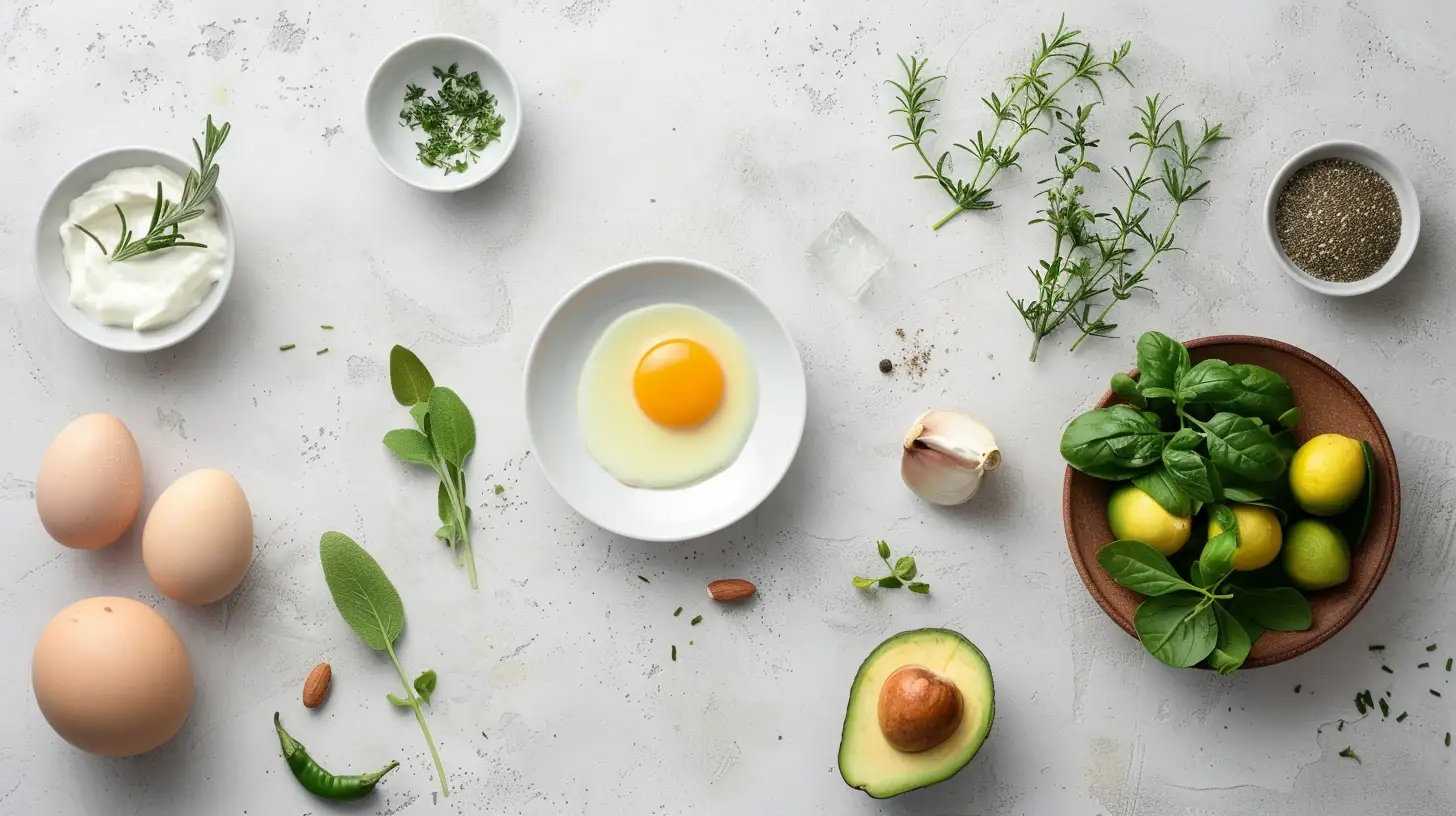
Frustrated by PCOS-related hair loss? Diet can play a surprising role in hair health. The right nutrients can help tackle those pesky PCOS symptoms and promote thicker, healthier hair. It’s about eating foods that boost your scalp’s vitality and support hair growth from the inside out. Your plate might just hold the secret to those luscious locks you’ve been dreaming of.
Diet plan grocery list
Diet plan overview
The pcos diet plan for hair growth focuses on nutrients that support healthy hair and scalp while managing PCOS symptoms. Including biotin-rich foods like eggs, nuts, and seeds can promote hair growth. Zinc and iron from lean meats and legumes also play a crucial role in maintaining hair health and preventing hair loss, common in PCOS.
Incorporate anti-inflammatory foods such as berries and green tea to reduce inflammation that can affect hair follicles. Omega-3s from fish or flaxseed can improve scalp health and hair strength. This diet encourages a balanced intake of proteins, vitamins, and minerals essential for both hair growth and managing PCOS.
Foods to eat
- Biotin-Rich Foods: Eggs, nuts, and seeds to promote healthy hair growth.
- Protein Sources: Lean meats, beans, and lentils for strong hair structure.
- Vitamin E Foods: Almonds, sunflower seeds, and spinach to improve scalp circulation.
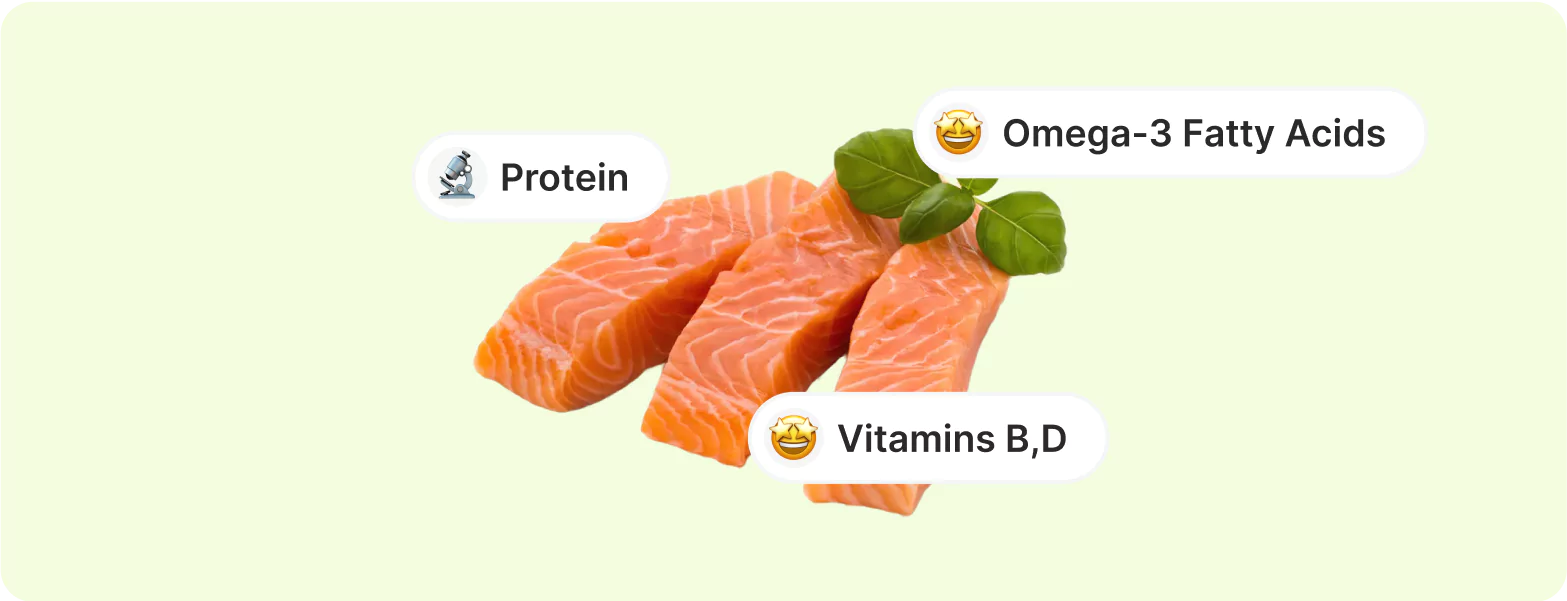
- Omega-3 Fatty Acids: Salmon, chia seeds, and walnuts for healthy hair follicles.
- Zinc-Rich Foods: Pumpkin seeds, chickpeas, and beef to support hair repair and growth.
Tip
Opt for selenium-rich foods like Brazil nuts and sunflower seeds to promote stronger hair growth and combat hair loss.
Foods not to eat
- Sugar-Rich Foods: Cut down on candies, sodas, and pastries that can lead to scalp inflammation.
- High-Sodium Foods: Avoid processed snacks and fast food that can disrupt nutrient balance.
- Trans Fats: Steer clear of fried foods and margarine that can lead to poor scalp health.
- Alcohol: Limit intake as it can dehydrate the body and affect hair growth.
- Excessive Dairy: Avoid too much milk and cheese if you’re sensitive, as it can lead to inflammation and scalp issues.
Main benefits
With the PCOS diet plan for hair growth, you’ll benefit from foods that support hair health while managing PCOS. It includes zinc and biotin-rich, allergen-free foods that promote hair strength and growth. This plan helps reduce hair loss by balancing hormones and improving nutrient intake. You'll also experience enhanced scalp health, contributing to better hair quality.

How to budget on this diet plan
Opt for budget-friendly sources of biotin and zinc like eggs and sunflower seeds instead of costly supplements. Include beans and lentils for affordable protein that supports hair health. They’re often cheaper than meat and just as effective.
Incorporate inexpensive, hair-friendly foods like carrots and spinach into your meals. Buying them in bulk or frozen can cut costs while ensuring you get the nutrients needed for hair growth. Preparing meals at home helps control costs and ingredient quality.
Meal plan suggestion
Day 1
- Breakfast: Greek yogurt with blueberries, chia seeds, and flaxseeds
- Lunch: Kale and quinoa salad with avocado, almonds, and a lemon-olive oil dressing
- Dinner: Grilled salmon with roasted sweet potatoes and broccoli
- Snack: Apple slices with almond butter
- Calories 🔥: 1,450 Fat 💧: 70g Carbs 🌾: 135g Protein 🥩: 90g
Day 2
- Breakfast: Oatmeal with raspberries, walnuts, and cinnamon
- Lunch: Chicken breast with spinach, lentils, and a turmeric-ginger dressing
- Dinner: Tofu stir-fry with carrots, broccoli, and brown rice
- Snack: Cottage cheese with dark chocolate pieces
- Calories 🔥: 1,400 Fat 💧: 65g Carbs 🌾: 140g Protein 🥩: 85g
Day 3
- Breakfast: Smoothie with spinach, apple, avocado, and flaxseeds
- Lunch: Lentil and quinoa salad with kale, carrots, and a garlic-olive oil dressing
- Dinner: Grilled lean beef with sweet potatoes and kale
- Snack: Greek yogurt with blueberries and chia seeds
- Calories 🔥: 1,480 Fat 💧: 72g Carbs 🌾: 142g Protein 🥩: 95g
Day 4
- Breakfast: Quinoa porridge with raspberries, walnuts, and coconut oil
- Lunch: Tofu and broccoli stir-fry with brown rice and almonds
- Dinner: Baked chicken breast with roasted carrots and kale
- Snack: Apple slices with almond butter
- Calories 🔥: 1,460 Fat 💧: 68g Carbs 🌾: 144g Protein 🥩: 88g
Day 5
- Breakfast: Greek yogurt with flaxseeds, chia seeds, and dark chocolate shavings
- Lunch: Spinach and quinoa salad with avocado, chickpeas, and a ginger-turmeric dressing
- Dinner: Grilled salmon with roasted sweet potatoes and carrots
- Snack: Cottage cheese with raspberries
- Calories 🔥: 1,470 Fat 💧: 69g Carbs 🌾: 143g Protein 🥩: 90g
Day 6
- Breakfast: Oatmeal with blueberries, chia seeds, and walnuts
- Lunch: Chickpea and kale salad with carrots, almonds, and a garlic-olive oil dressing
- Dinner: Baked tofu with roasted broccoli and quinoa
- Snack: Apple slices with dark chocolate
- Calories 🔥: 1,420 Fat 💧: 66g Carbs 🌾: 138g Protein 🥩: 85g
Day 7
- Breakfast: Smoothie with kale, apple, avocado, and flaxseeds
- Lunch: Lean beef and lentil salad with spinach, quinoa, and a turmeric-ginger dressing
- Dinner: Grilled chicken breast with roasted sweet potatoes and broccoli
- Snack: Greek yogurt with raspberries and chia seeds
- Calories 🔥: 1,490 Fat 💧: 71g Carbs 🌾: 145g Protein 🥩: 92g
These nutritional values are approximate and can vary slightly based on specific portion sizes and preparation methods.
Want to learn more?
Keep in mind
Other diet plans
-

Carnivore diet plan for diabetics
This diet plan on the carnivore diet for diabetic individuals is quite low on carbs while approximating almost 100 percent in protein and fats. This helps to control blood sugar levels. Avoiding sugars and most of carbs can make it possible to have diabetes well under control. It is a radical but straightforward dietary intervention which should be done with supervision and guidance from health practitioners.
-

Carnivore diet plan for healthy eating
Healthy eating in the carnivore diet plan comprises a range of nutrient-dense sourced meats, such as organs and bone broths, which contain critical vitamins and minerals. It aims to eliminate inflammatory reactions, which are characteristic of some lifestyle diseases, and cut back the diet to essential nutrients. It may seem limiting, however, it facilitates looking deeper into the quality of every piece of meat cuisine.
-

Carnivore diet plan for beginners
The following carnivore beginner’s plan is especially intended for those who are new to the carnivore way of life. It begins by eating only meat instead of animal-based foods. Just after a few weeks or so, start introducing other types of food, such as fish, poultry, and organ meat. No complicated steps involved - learn the basics of meat preparation and accommodate a new food pattern.