
Pritikin diet plan for brain health
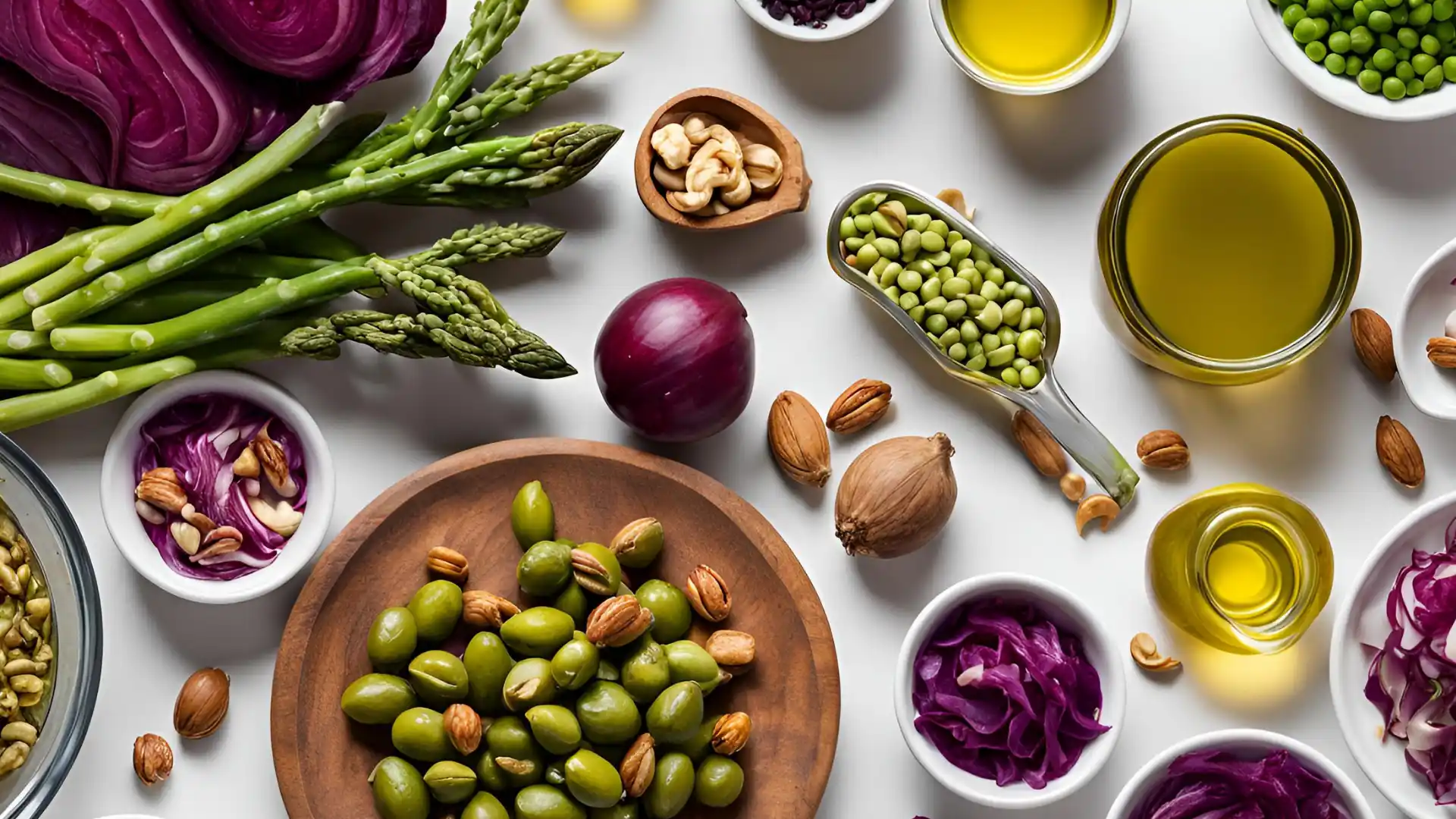
The brain thrives on a diet that's rich in omega-3s, fruits, vegetables, and whole grains, key components of the Pritikin plan. It’s designed to boost cognitive function and reduce the risk of neurodegenerative diseases, making it a smart choice for maintaining mental acuity.
Diet plan grocery list
Diet plan overview
The Pritikin diet plan for brain health focuses on nutrients that enhance cognitive function and mental well-being. It includes a variety of brain-boosting foods like leafy greens, berries, nuts, and whole grains that are rich in antioxidants and B vitamins.
This diet plan supports brain health by promoting better blood flow and reducing oxidative stress, which are crucial for maintaining cognitive abilities as we age.

Foods to eat
- Brain-Boosting Berries: Regular consumption of berries can enhance cognitive function.
- Leafy Greens: Incorporate spinach, kale, and collards, which are good for brain health.
- Whole Grains: Oats, barley, and whole wheat to maintain consistent brain energy levels.
- Nuts: Especially walnuts, which have neuroprotective compounds.
- Fatty Fish: Sources of omega-3 fatty acids like salmon and sardines are great for brain health.
Tip
Those focusing on brain health with the Pritikin diet can benefit from adding a daily serving of walnuts or blueberries, known for their cognitive-enhancing properties.
Foods not to eat
- Saturated Fats: Limit high-fat cuts of meat and butter that can impair cognitive function.
- High-Sugar Foods: Cut back on cookies, ice cream, and candy that can lead to energy crashes.
- High-Sodium Foods: Reduce salt intake which can affect cognitive health over time.
- Trans Fats: Avoid foods with hydrogenated oils that can be detrimental to brain health.
- Alcohol: Excessive drinking can have long-term negative effects on the brain.
Main benefits
The Pritikin diet plan for brain health enhances cognitive functions and may help in delaying the onset of age-related memory issues. Its emphasis on omega-3 fatty acids and antioxidants supports overall mental agility.

How to budget on this diet plan
Omega-3-rich fish like sardines and salmon can be bought canned, offering a less expensive alternative to fresh fish while still providing essential fatty acids needed for cognitive function.
Meal plan suggestion
Day 1
- Breakfast: Oats with almond milk and blueberries
- Lunch: Farro salad with lentils, tomatoes, and romaine lettuce
- Dinner: Grilled mackerel with steamed asparagus and barley
- Snack: Cherries and a handful of walnuts
- Calories 🔥: 1600 Fat 💧: 45g Carbs 🌾: 210g Protein 🥩: 100g
Day 2
- Breakfast: Whole wheat bread with plain yogurt and kiwi
- Lunch: Barley soup with black beans, carrots, and onions
- Dinner: Baked herring with roasted pumpkin and steamed peas
- Snack: Grapes and pistachios
- Calories 🔥: 1650 Fat 💧: 47g Carbs 🌾: 215g Protein 🥩: 95g
Day 3
- Breakfast: Oats with almond milk and blueberries
- Lunch: Farro salad with lentils, tomatoes, and romaine lettuce
- Dinner: Grilled turkey breast with steamed asparagus and barley
- Snack: Cherries and a handful of walnuts
- Calories 🔥: 1600 Fat 💧: 45g Carbs 🌾: 210g Protein 🥩: 100g
Day 4
- Breakfast: Whole wheat bread with plain yogurt and kiwi
- Lunch: Barley soup with black beans, carrots, and onions
- Dinner: Baked herring with roasted pumpkin and steamed peas
- Snack: Grapes and pistachios
- Calories 🔥: 1650 Fat 💧: 47g Carbs 🌾: 215g Protein 🥩: 95g
Day 5
- Breakfast: Oats with almond milk and blueberries
- Lunch: Farro salad with lentils, tomatoes, and romaine lettuce
- Dinner: Grilled mackerel with steamed asparagus and barley
- Snack: Cherries and a handful of walnuts
- Calories 🔥: 1600 Fat 💧: 45g Carbs 🌾: 210g Protein 🥩: 100g
Day 6
- Breakfast: Whole wheat bread with plain yogurt and kiwi
- Lunch: Barley soup with black beans, carrots, and onions
- Dinner: Baked herring with roasted pumpkin and steamed peas
- Snack: Grapes and pistachios
- Calories 🔥: 1650 Fat 💧: 47g Carbs 🌾: 215g Protein 🥩: 95g
Day 7
- Breakfast: Oats with almond milk and blueberries
- Lunch: Farro salad with lentils, tomatoes, and romaine lettuce
- Dinner: Grilled turkey breast with steamed asparagus and barley
- Snack: Cherries and a handful of walnuts
- Calories 🔥: 1600 Fat 💧: 45g Carbs 🌾: 210g Protein 🥩: 100g
These nutritional values are approximate and can vary slightly based on specific portion sizes and preparation methods.
Want to learn more?
Keep in mind
Other diet plans
-

Carnivore diet plan for diabetics
This diet plan on the carnivore diet for diabetic individuals is quite low on carbs while approximating almost 100 percent in protein and fats. This helps to control blood sugar levels. Avoiding sugars and most of carbs can make it possible to have diabetes well under control. It is a radical but straightforward dietary intervention which should be done with supervision and guidance from health practitioners.
-

Carnivore diet plan for healthy eating
Healthy eating in the carnivore diet plan comprises a range of nutrient-dense sourced meats, such as organs and bone broths, which contain critical vitamins and minerals. It aims to eliminate inflammatory reactions, which are characteristic of some lifestyle diseases, and cut back the diet to essential nutrients. It may seem limiting, however, it facilitates looking deeper into the quality of every piece of meat cuisine.
-

Carnivore diet plan for beginners
The following carnivore beginner’s plan is especially intended for those who are new to the carnivore way of life. It begins by eating only meat instead of animal-based foods. Just after a few weeks or so, start introducing other types of food, such as fish, poultry, and organ meat. No complicated steps involved - learn the basics of meat preparation and accommodate a new food pattern.