
Pritikin diet plan for low sodium diet
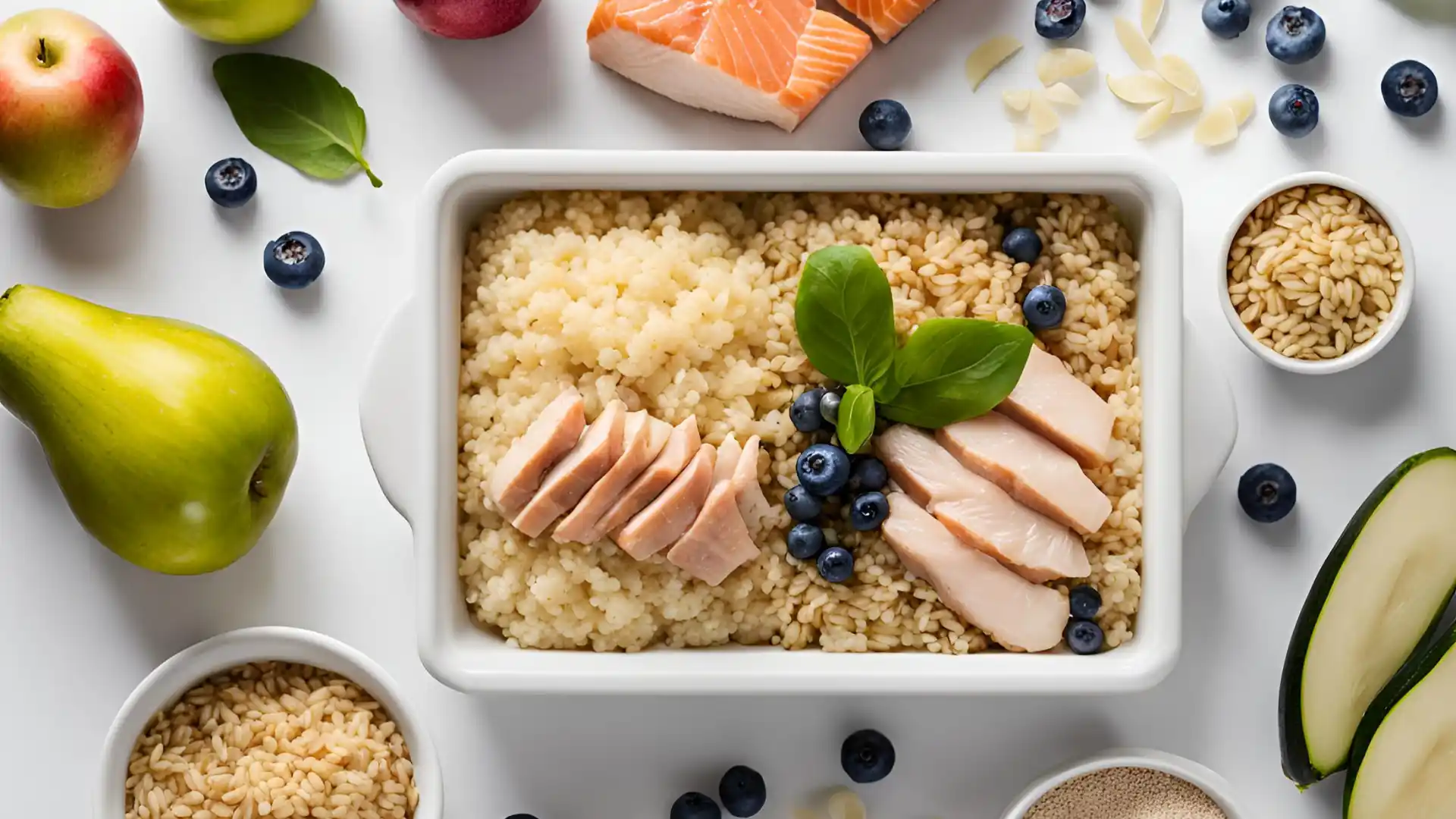
If you're looking to reduce sodium intake, the Pritikin diet offers a flavorful approach with its focus on fresh, natural foods over processed options. It helps manage blood pressure and maintain heart health without sacrificing taste.
Diet plan grocery list
Diet plan overview
The Pritikin diet plan for low sodium diet is ideal for managing blood pressure and reducing the risk of heart disease. It emphasizes foods naturally low in sodium and high in potassium, which helps to balance and lower blood pressure naturally.
By focusing on fresh vegetables, fruits, and grains, this diet plan offers a hearty way to enjoy eating without the added salt.
Foods to eat
- Fresh Vegetables: Base meals around fresh produce which is naturally low in sodium.
- Fresh Fruits: Include a variety of fruits which are also low in sodium and high in nutrients.
- Herbs and Spices: Use these for flavoring instead of salt.
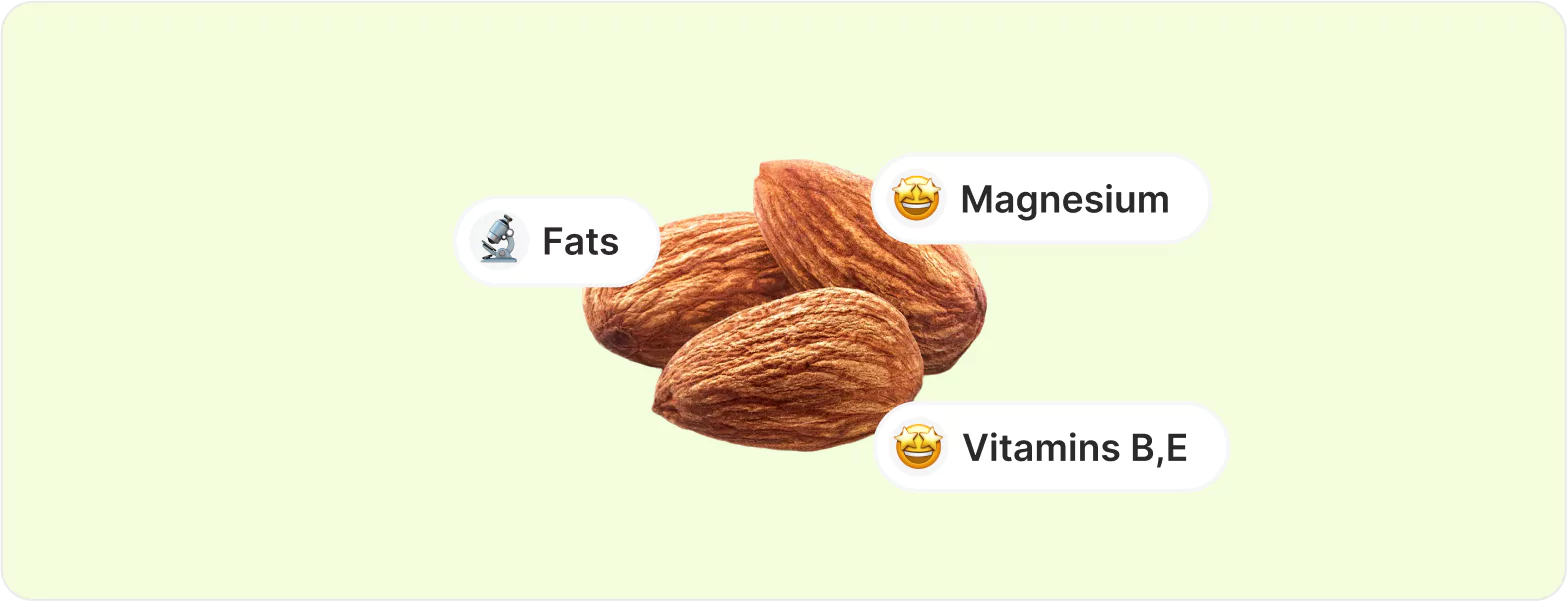
- Unsalted Nuts: Snack on these instead of salted versions.
- Homemade Meals: Prepare your own meals to better control the amount of salt used.
Tip
Flavor your dishes with citrus zest or juice, which adds a punch of flavor without the need for added salt.
Foods not to eat
- Canned Vegetables: Avoid these unless they're labeled "no salt added."
- Processed Meats: Steer clear of deli meats, sausages, and bacon which are typically high in sodium.
- Snack Chips: Replace regular chips with unsalted or low-sodium varieties.
- Fast Food: These are generally high in sodium and should be avoided.
- Pre-packaged Meals: Many contain high levels of sodium for preservation, so it's better to avoid them.
Main benefits
The Pritikin diet plan for low sodium diet effectively manages blood pressure, reducing the risk of heart disease. It also minimizes water retention, helping to maintain a healthy weight and reduce bloating.
How to budget on this diet plan
Save money by avoiding pre-packaged low-sodium products, which tend to be overpriced. Instead, use herbs, spices, and vinegar to flavor home-cooked meals, which are healthier and cheaper.
Meal plan suggestion
Day 1
- Breakfast: Oats with strawberries and Greek yogurt
- Lunch: Quinoa salad with spinach, bell peppers, and zucchini
- Dinner: Baked salmon with brown rice and steamed broccoli
- Snack: Apple and a handful of almonds
- Calories 🔥: 1500 Fat 💧: 40g Carbs 🌾: 200g Protein 🥩: 90g
Day 2
- Breakfast: Oats with blueberries and skim milk
- Lunch: Lentil soup with carrots, celery, and onions
- Dinner: Grilled chicken breast with quinoa and steamed cauliflower
- Snack: Banana and walnuts
- Calories 🔥: 1550 Fat 💧: 42g Carbs 🌾: 210g Protein 🥩: 95g
Day 3
- Breakfast: Oats with strawberries and Greek yogurt
- Lunch: Quinoa salad with spinach, bell peppers, and zucchini
- Dinner: Baked salmon with brown rice and steamed broccoli
- Snack: Apple and a handful of almonds
- Calories 🔥: 1500 Fat 💧: 40g Carbs 🌾: 200g Protein 🥩: 90g
Day 4
- Breakfast: Oats with blueberries and skim milk
- Lunch: Lentil soup with carrots, celery, and onions
- Dinner: Grilled chicken breast with quinoa and steamed cauliflower
- Snack: Banana and walnuts
- Calories 🔥: 1550 Fat 💧: 42g Carbs 🌾: 210g Protein 🥩: 95g
Day 5
- Breakfast: Oats with strawberries and Greek yogurt
- Lunch: Quinoa salad with spinach, bell peppers, and zucchini
- Dinner: Baked salmon with brown rice and steamed broccoli
- Snack: Apple and a handful of almonds
- Calories 🔥: 1500 Fat 💧: 40g Carbs 🌾: 200g Protein 🥩: 90g
Day 6
- Breakfast: Oats with blueberries and skim milk
- Lunch: Lentil soup with carrots, celery, and onions
- Dinner: Grilled chicken breast with quinoa and steamed cauliflower
- Snack: Banana and walnuts
- Calories 🔥: 1550 Fat 💧: 42g Carbs 🌾: 210g Protein 🥩: 95g
Day 7
- Breakfast: Oats with strawberries and Greek yogurt
- Lunch: Quinoa salad with spinach, bell peppers, and zucchini
- Dinner: Baked salmon with brown rice and steamed broccoli
- Snack: Apple and a handful of almonds
- Calories 🔥: 1500 Fat 💧: 40g Carbs 🌾: 200g Protein 🥩: 90g
These nutritional values are approximate and can vary slightly based on specific portion sizes and preparation methods.
Want to learn more?
Keep in mind
Other diet plans
-

Carnivore diet plan for diabetics
This diet plan on the carnivore diet for diabetic individuals is quite low on carbs while approximating almost 100 percent in protein and fats. This helps to control blood sugar levels. Avoiding sugars and most of carbs can make it possible to have diabetes well under control. It is a radical but straightforward dietary intervention which should be done with supervision and guidance from health practitioners.
-

Carnivore diet plan for healthy eating
Healthy eating in the carnivore diet plan comprises a range of nutrient-dense sourced meats, such as organs and bone broths, which contain critical vitamins and minerals. It aims to eliminate inflammatory reactions, which are characteristic of some lifestyle diseases, and cut back the diet to essential nutrients. It may seem limiting, however, it facilitates looking deeper into the quality of every piece of meat cuisine.
-

Carnivore diet plan for beginners
The following carnivore beginner’s plan is especially intended for those who are new to the carnivore way of life. It begins by eating only meat instead of animal-based foods. Just after a few weeks or so, start introducing other types of food, such as fish, poultry, and organ meat. No complicated steps involved - learn the basics of meat preparation and accommodate a new food pattern.