
Summer diet plan for elimination diet
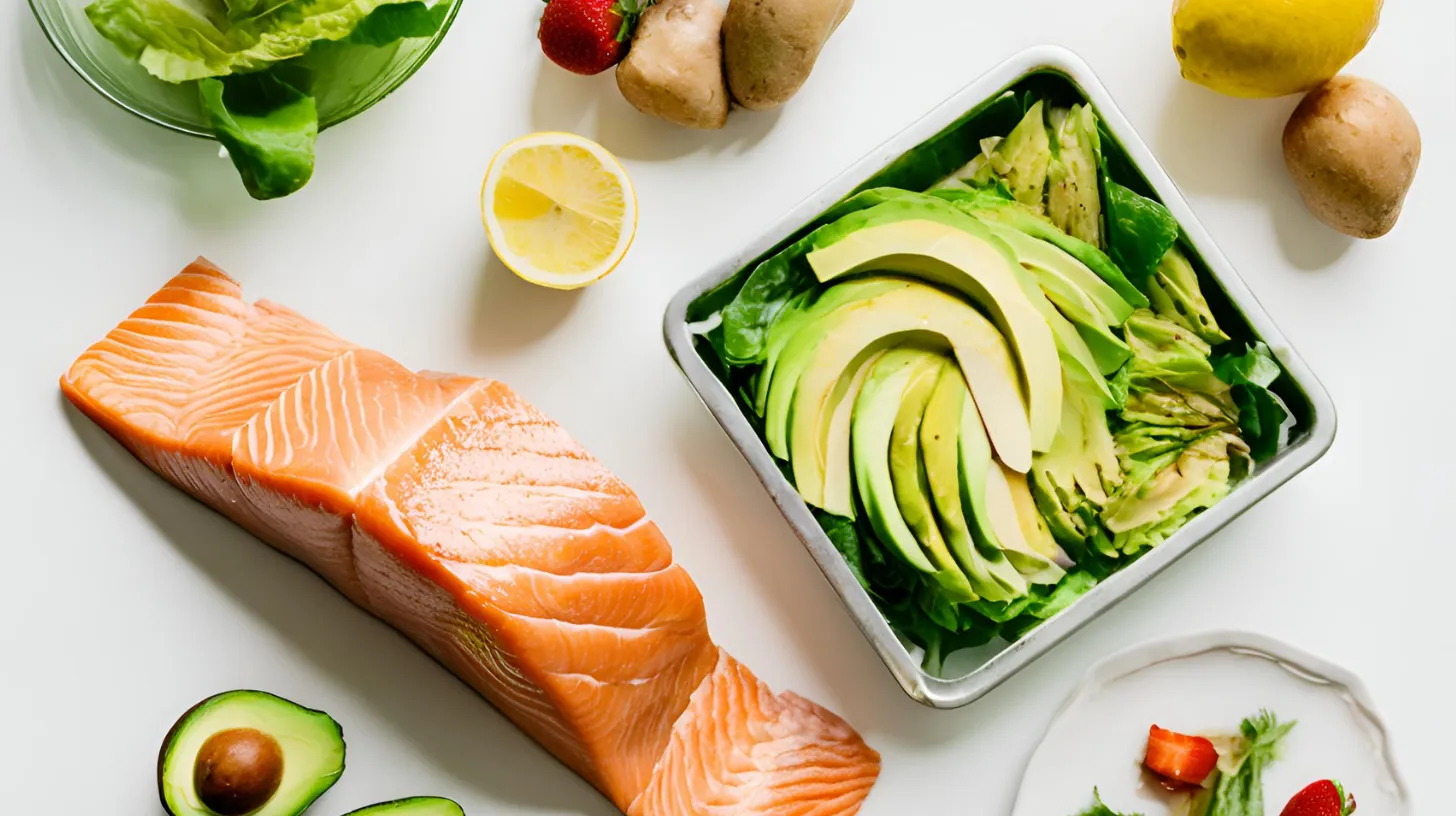
Starting an elimination diet during the summer can make the process more enjoyable, thanks to the variety of fresh foods available. This plan helps you identify food sensitivities by cutting out common triggers and gradually reintroducing them. It’s focused on eating whole, unprocessed foods, which the summer season offers in abundance. This can lead to discovering not just sensitivities, but also new favorite foods.
Diet plan grocery list
Diet plan overview
Sometimes identifying food sensitivities is necessary, and the Summer diet plan for elimination diet can help. This plan involves removing common allergens and irritants from your diet temporarily to pinpoint what might be causing digestive distress or other symptoms. Foods typically excluded are gluten, dairy, soy, and nuts.
After a few weeks, foods are gradually reintroduced one at a time to observe any reactions. This diet is not only helpful for identifying sensitivities but can also contribute to a better understanding of your body’s needs and reactions.
Foods to eat
- Simple Proteins: Chicken, turkey, and lamb that are often well-tolerated.
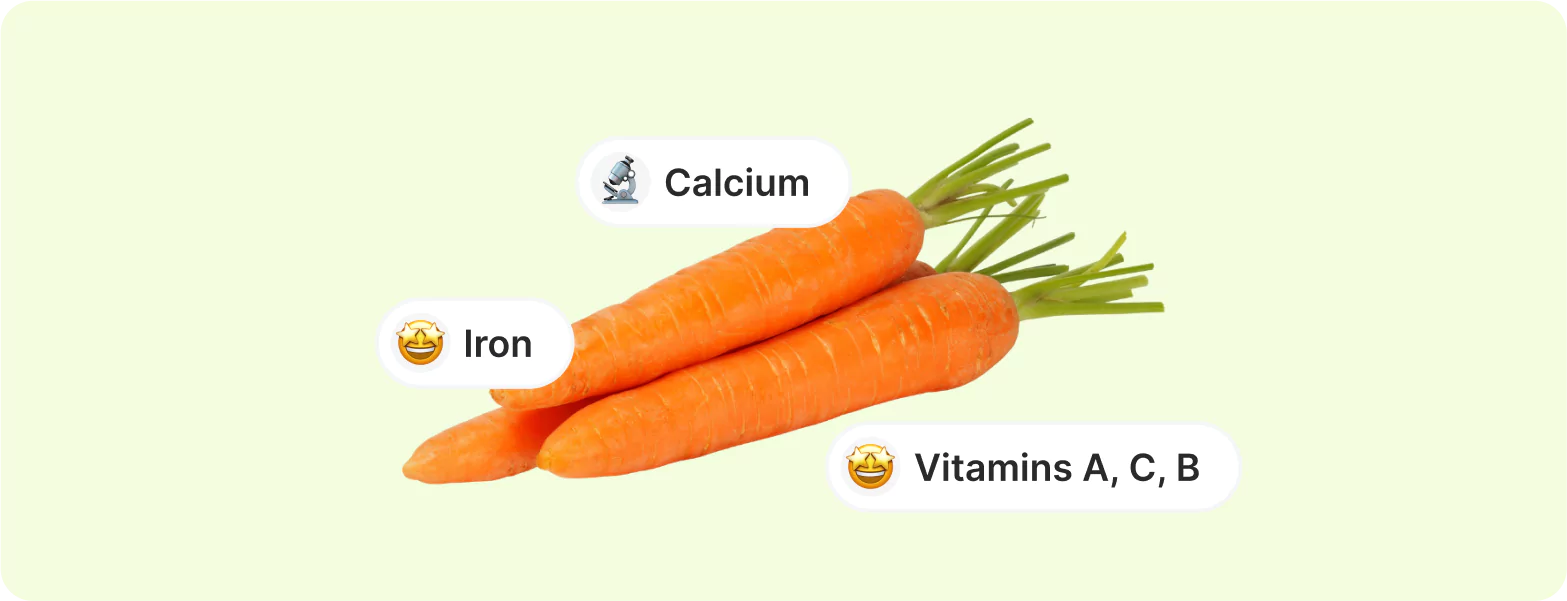
- Non-Starchy Vegetables: Zucchini, spinach, and carrots that are unlikely to trigger allergies.
- Gluten-Free Grains: Quinoa, rice, and millet for gentle carbohydrate sources.
- Healthy Fats: Coconut oil and olive oil that are generally hypoallergenic.
- Herbs and Spices: Basil, oregano, and thyme for flavor without allergens.
Tip
Try adding cooling anti-inflammatory foods like watermelon and cucumber while eliminating potential triggers to beat the heat.
Foods not to eat
- Dairy: Milk, cheese, and butter are common allergens.
- Gluten-Containing Grains: Wheat, barley, and rye should be eliminated initially.
- Soy and Soy Products: Tofu, soy sauce, and edamame can cause sensitivities.
- Nuts and Seeds: Almonds, peanuts, and sesame seeds that may be allergenic.
- Nightshade Vegetables: Tomatoes, peppers, and eggplants that can trigger inflammation.
Main benefits
The summer diet plan for elimination diet simplifies meal planning by focusing on a short list of nutrient-rich foods. Fresh herbs and spices add flavor without potential allergens. Bone broth and leafy greens promote gut healing while providing essential vitamins. Seasonal fruits like peaches and cherries offer a naturally sweet treat that’s easy on the digestive system.

How to budget on this diet plan
Elimination diets can be tricky, but sticking to whole, single-ingredient foods like rice, sweet potatoes, and leafy greens helps keep costs down. Buy items like rice or oats in bulk and portion them out for each meal. Plan your menu around a core group of safe foods and gradually introduce new ones, buying small quantities to avoid waste. If dairy is off the table, consider making your own almond milk instead of purchasing expensive alternatives.
Meal plan suggestion
Day 1
- Breakfast: Greek yogurt with blueberries, strawberries, and walnuts
- Lunch: Grilled chicken breast over a kale and romaine lettuce salad with cucumber, bell peppers, and lemon-olive oil dressing
- Dinner: Baked salmon with steamed broccoli and quinoa
- Snack: Apple slices with almond butter
Day 2
- Breakfast: Cottage cheese with banana slices and almonds
- Lunch: Turkey and avocado lettuce wraps with spinach and tomato
- Dinner: Grilled tofu with roasted sweet potatoes and zucchini
- Snack: Grapes and walnuts
Day 3
- Breakfast: Omelet with spinach, bell peppers, and avocado
- Lunch: Quinoa salad with romaine lettuce, cucumber, tomatoes, and lemon-olive oil dressing
- Dinner: Grilled chicken breast with sautéed kale and cauliflower rice
- Snack: Orange slices with almonds
Day 4
- Breakfast: Greek yogurt parfait with blueberries, strawberries, and almonds
- Lunch: Grilled salmon with spinach and sweet potato salad
- Dinner: Turkey-stuffed bell peppers with quinoa and garlic
- Snack: Banana with almond butter
Day 5
- Breakfast: Cottage cheese with strawberries, blueberries, and walnuts
- Lunch: Grilled tofu over a kale and romaine lettuce salad with cucumber, tomatoes, and lemon-olive oil dressing
- Dinner: Baked chicken breast with roasted carrots and zucchini
- Snack: Grapes and almonds
Day 6
- Breakfast: Omelet with kale, tomatoes, and avocado
- Lunch: Quinoa salad with romaine lettuce, cucumber, bell peppers, and lemon-olive oil dressing
- Dinner: Grilled salmon with steamed broccoli and sweet potatoes
- Snack: Apple slices with walnuts
Day 7
- Breakfast: Greek yogurt parfait with banana slices and almonds
- Lunch: Turkey lettuce wraps with spinach, avocado, and tomato
- Dinner: Grilled chicken breast with roasted zucchini and cauliflower rice
- Snack: Orange slices with walnuts
Want to learn more?
Keep in mind
Other diet plans
-

Carnivore diet plan for diabetics
This diet plan on the carnivore diet for diabetic individuals is quite low on carbs while approximating almost 100 percent in protein and fats. This helps to control blood sugar levels. Avoiding sugars and most of carbs can make it possible to have diabetes well under control. It is a radical but straightforward dietary intervention which should be done with supervision and guidance from health practitioners.
-

Carnivore diet plan for healthy eating
Healthy eating in the carnivore diet plan comprises a range of nutrient-dense sourced meats, such as organs and bone broths, which contain critical vitamins and minerals. It aims to eliminate inflammatory reactions, which are characteristic of some lifestyle diseases, and cut back the diet to essential nutrients. It may seem limiting, however, it facilitates looking deeper into the quality of every piece of meat cuisine.
-

Carnivore diet plan for beginners
The following carnivore beginner’s plan is especially intended for those who are new to the carnivore way of life. It begins by eating only meat instead of animal-based foods. Just after a few weeks or so, start introducing other types of food, such as fish, poultry, and organ meat. No complicated steps involved - learn the basics of meat preparation and accommodate a new food pattern.