
Summer diet plan for intermittent fasting
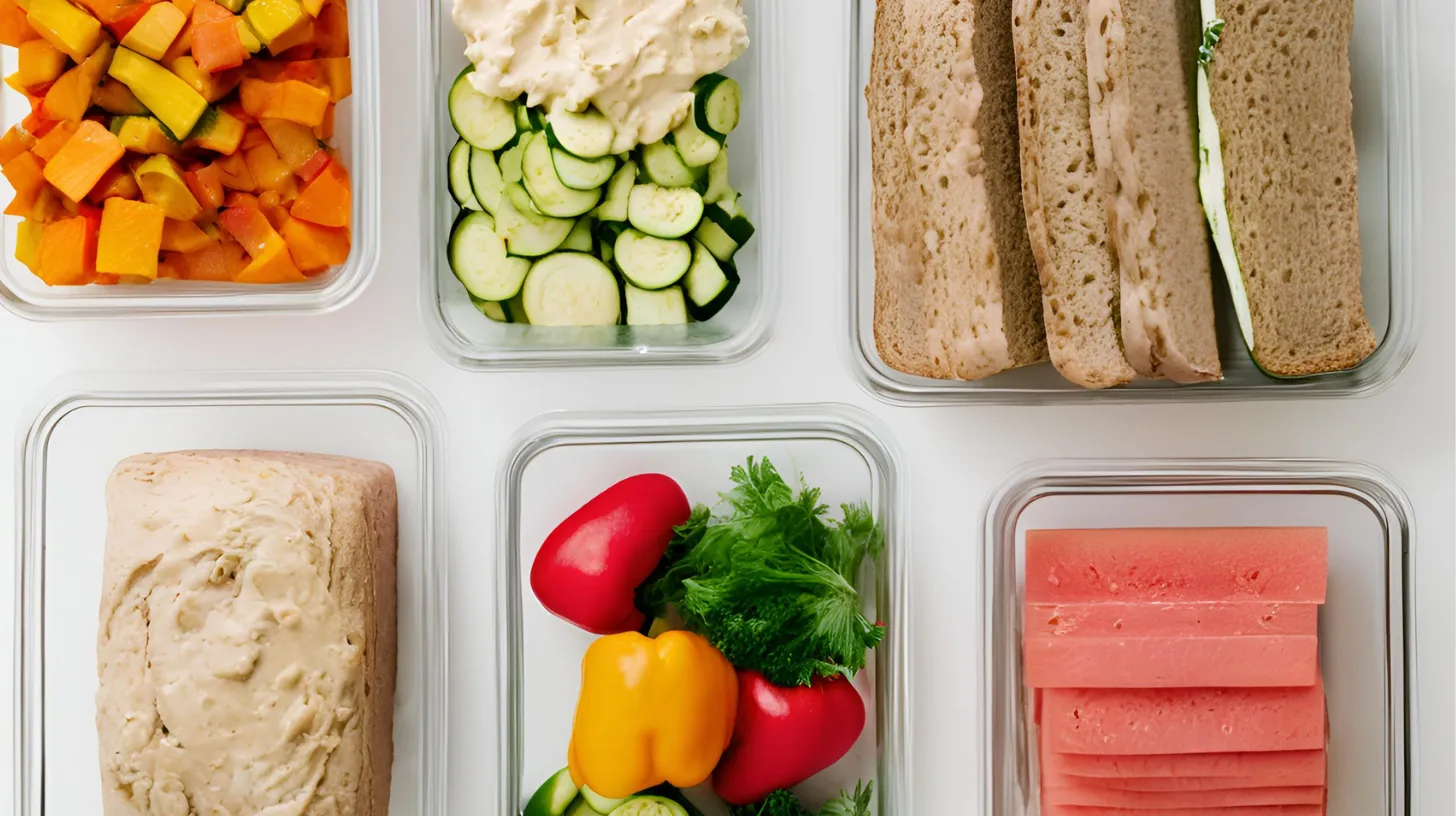
Intermittent fasting in the summer can align well with the season's laid-back vibe. This plan involves eating within a specific window, giving you freedom to enjoy hearty, nutritious meals during those hours. Summer fruits and vegetables fill your plate for hydration and nutrients, helping you feel full and satisfied. It’s a rhythm that can suit long days and warm nights perfectly.
Diet plan grocery list
Diet plan overview
The Summer diet plan for intermittent fasting combines the popular method of intermittent fasting with a summer-friendly eating schedule. It typically involves eating within an 8-hour window and fasting for the remaining 16 hours of the day. This method can help improve metabolic health and even aid in weight loss.
During the eating periods, focusing on hydrating foods and nutrient-dense meals is crucial, especially in the heat of summer. This plan is not just about when you eat, but also about what you eat to stay healthy and active.

Foods to eat
- Lean Proteins: Chicken, turkey, and fish for muscle preservation and satiety.
- Non-Starchy Vegetables: Leafy greens, broccoli, and cauliflower high in fiber.
- Complex Carbohydrates: Quinoa, oats, and sweet potatoes for energy during eating windows.
- Healthy Fats: Avocado, olive oil, and nuts to improve satiety and provide essential fatty acids.
- Herbs and Spices: Turmeric, cinnamon, and ginger for flavor and anti-inflammatory benefits.
Tip
Opt for chilled herbal teas like hibiscus or peppermint to curb hunger pangs while keeping you hydrated during your fasting window.
Foods not to eat
- Sugary Snacks: Cookies, pastries, and candies high in refined sugar.
- Processed Grains: White bread, pasta, and rice that can cause blood sugar spikes.
- Trans Fats: Packaged baked goods and fried snacks made with hydrogenated oils.
- Alcohol: Drinking can increase appetite and lead to poor food choices.
- High-Sugar Beverages: Sodas and fruit juices that offer empty calories.
Main benefits
The summer diet plan for intermittent fasting uses the eating window to pack in nutrient-dense foods like lean proteins and colorful vegetables. Hydrating soups made with bone broth offer electrolytes to sustain energy between meals. Nuts and seeds provide healthy fats to support brain function and keep you full longer. Berries and dark chocolate are perfect for a guilt-free treat that satisfies cravings.
How to budget on this diet plan
Intermittent fasting doesn’t require special foods, so plan your meals around affordable staples like beans, eggs, and seasonal vegetables. When it's time to break your fast, start with water or tea and a filling smoothie made with oats and bananas. Cook in batches, especially when making lean proteins like chicken or turkey, to ensure you’ve got meals ready to go. Stretch your budget further with hearty soups or stews that can be easily frozen.
Meal plan suggestion
Day 1
- Breakfast: Greek yogurt with strawberries, blueberries, and walnuts
- Lunch: Grilled chicken breast, quinoa, and steamed broccoli
- Dinner: Salmon fillet, roasted sweet potatoes, and sautéed spinach
- Snack: Cucumber slices with hummus
Day 2
- Breakfast: Scrambled eggs with avocado and whole wheat toast
- Lunch: Tofu stir-fry with bell peppers, zucchini, and brown rice
- Dinner: Ground turkey stuffed bell peppers with lentils
- Snack: Cottage cheese with blueberries and almonds
Day 3
- Breakfast: Overnight oats with strawberries and coconut oil
- Lunch: Salmon salad with tomatoes, cucumber, and avocado
- Dinner: Grilled chicken breast, roasted cauliflower, and quinoa
- Snack: Greek yogurt with walnuts and blueberries
Day 4
- Breakfast: Omelette with spinach and bell peppers
- Lunch: Chickpea salad with cucumber, tomatoes, and hummus
- Dinner: Ground turkey and zucchini pasta with olive oil
- Snack: Watermelon slices with almonds
Day 5
- Breakfast: Greek yogurt parfait with strawberries, blueberries, and walnuts
- Lunch: Grilled tofu, quinoa, and steamed green beans
- Dinner: Salmon fillet with roasted carrots and brown rice
- Snack: Cottage cheese with almonds and blueberries
Day 6
- Breakfast: Scrambled eggs with avocado and whole wheat toast
- Lunch: Chicken and chickpea salad with cucumber, tomatoes, and hummus
- Dinner: Ground turkey stir-fry with zucchini, bell peppers, and brown rice
- Snack: Greek yogurt with almonds and strawberries
Day 7
- Breakfast: Overnight oats with blueberries and coconut oil
- Lunch: Tofu salad with avocado, tomatoes, and spinach
- Dinner: Salmon fillet with roasted cauliflower and sweet potatoes
- Snack: Cottage cheese with walnuts and watermelon slices
Want to learn more?
Keep in mind
Other diet plans
-

Carnivore diet plan for diabetics
This diet plan on the carnivore diet for diabetic individuals is quite low on carbs while approximating almost 100 percent in protein and fats. This helps to control blood sugar levels. Avoiding sugars and most of carbs can make it possible to have diabetes well under control. It is a radical but straightforward dietary intervention which should be done with supervision and guidance from health practitioners.
-

Carnivore diet plan for healthy eating
Healthy eating in the carnivore diet plan comprises a range of nutrient-dense sourced meats, such as organs and bone broths, which contain critical vitamins and minerals. It aims to eliminate inflammatory reactions, which are characteristic of some lifestyle diseases, and cut back the diet to essential nutrients. It may seem limiting, however, it facilitates looking deeper into the quality of every piece of meat cuisine.
-

Carnivore diet plan for beginners
The following carnivore beginner’s plan is especially intended for those who are new to the carnivore way of life. It begins by eating only meat instead of animal-based foods. Just after a few weeks or so, start introducing other types of food, such as fish, poultry, and organ meat. No complicated steps involved - learn the basics of meat preparation and accommodate a new food pattern.