
Summer diet plan for muscle gain
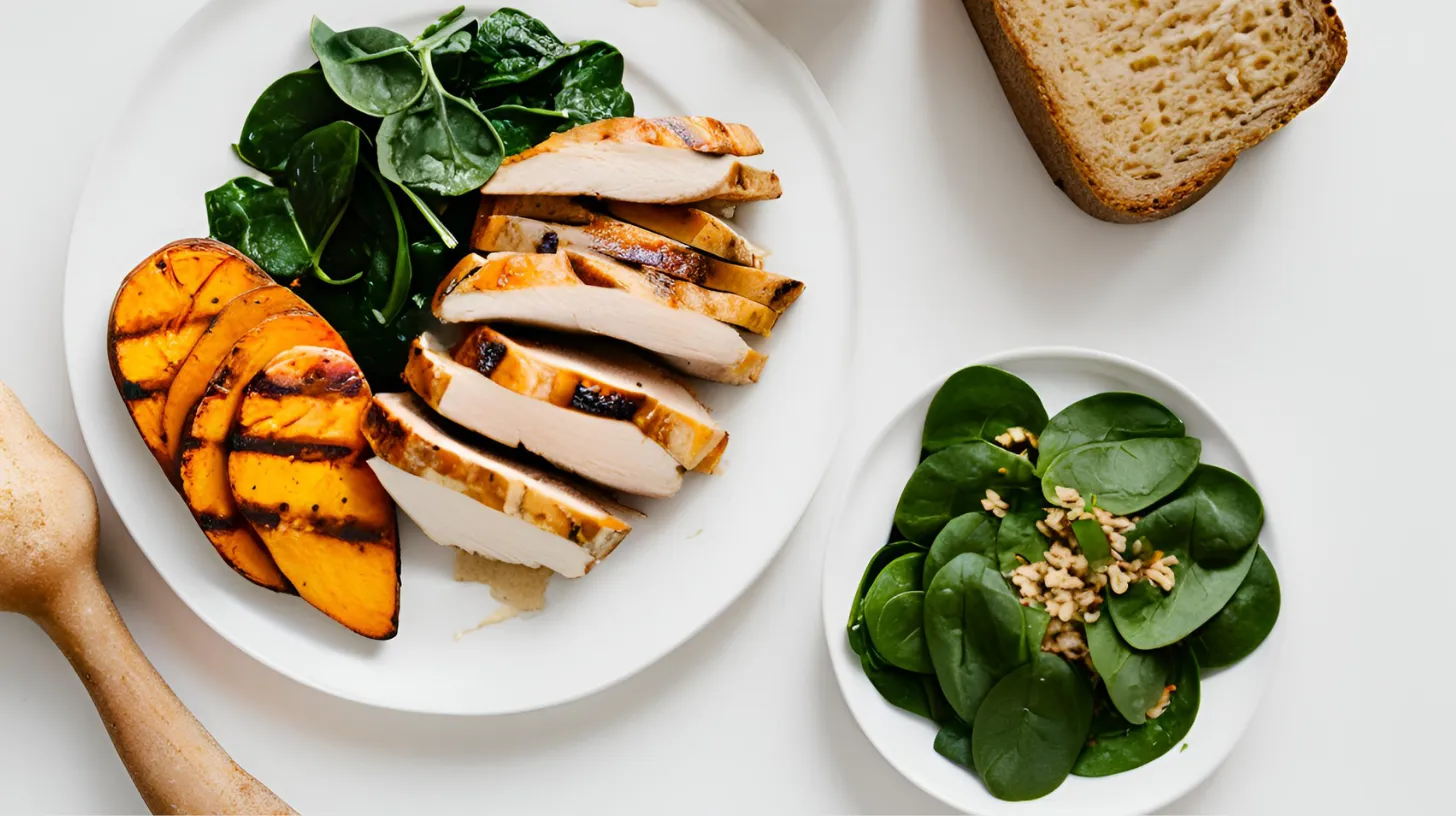
Summer is a fantastic time to focus on building muscle, with fresh, protein-rich foods in abundance. This diet emphasizes lean meats, fresh produce, and healthy fats to fuel intense workouts and muscle recovery. It's all about providing your body with the right nutrients to grow stronger while enjoying seasonal flavors. Don’t forget to stay hydrated, which is just as crucial for muscle health.
Diet plan grocery list
Diet plan overview
If you’re aiming to bulk up this summer, a Summer diet plan for muscle gain will emphasize protein, calories, and regular meals. This diet not only supports muscle repair but also fuels your energy needs for intense workouts. High-protein foods like chicken, fish, eggs, and legumes are staples, accompanied by healthy fats and complex carbs.
Regularly spacing out meals throughout the day ensures your muscles have a consistent supply of nutrients. Snacks like Greek yogurt or a handful of nuts can help meet your calorie goals without feeling too heavy.
Foods to eat
- Lean Proteins: Chicken, turkey, and lean beef for essential amino acids to build muscle.
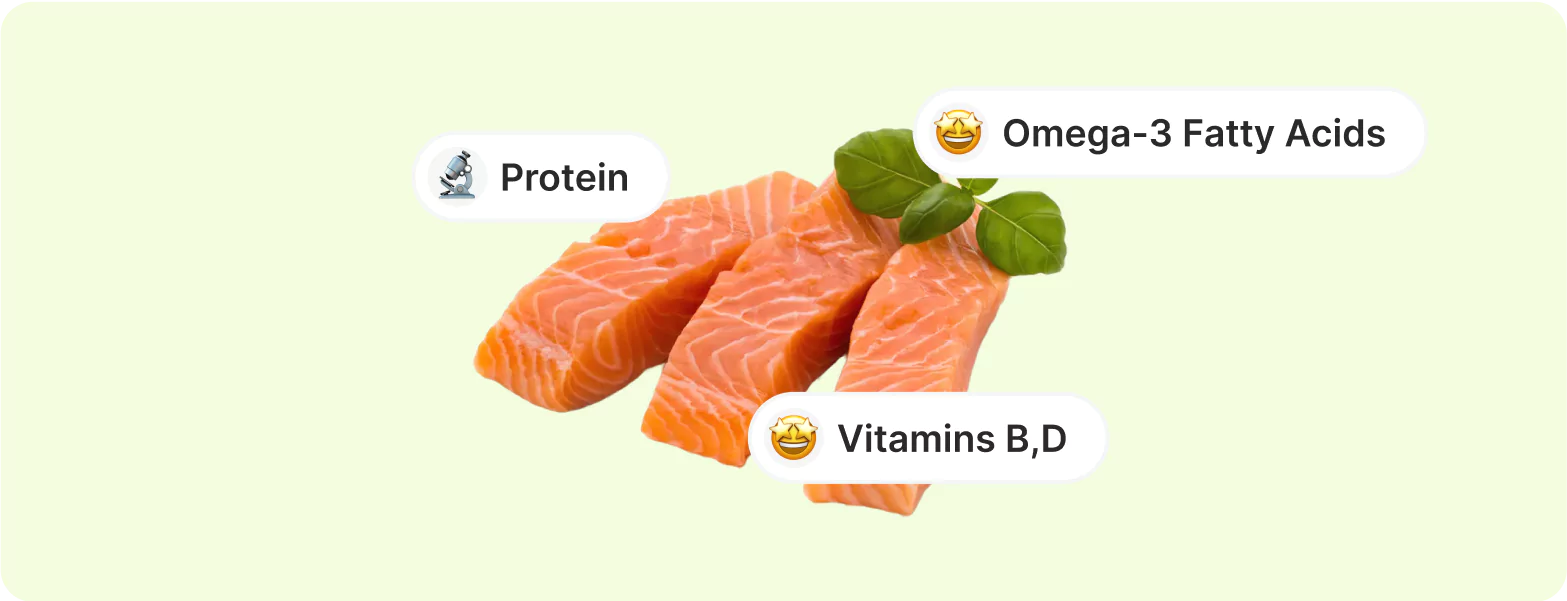
- Fatty Fish: Salmon, tuna, and mackerel for protein and omega-3s to reduce muscle inflammation.
- Eggs: Whole eggs provide high-quality protein and healthy fats for muscle growth.
- Complex Carbohydrates: Quinoa, brown rice, and sweet potatoes for sustained energy.
- Nuts and Nut Butters: Almonds, peanuts, and cashew butter for healthy fats and extra protein.
Tip
Incorporate quinoa into your diet for its muscle-friendly protein and high magnesium content.
Foods not to eat
- Sugary Foods: Pastries, candies, and sweet snacks that offer empty calories.
- Fried Foods: French fries, fried chicken, and onion rings high in unhealthy fats.
- Alcohol: Excessive drinking can impair muscle recovery and protein synthesis.
- Low-Protein Snacks: Chips, pretzels, and popcorn provide little nutritional value for muscle building.
- Processed Meats: Bacon, sausages, and deli meats often contain high sodium and preservatives.
Main benefits
The summer diet plan for muscle gain prioritizes lean proteins like chicken breast and turkey to support muscle recovery and growth. Quinoa and sweet potatoes deliver complex carbs that sustain energy levels during intense workouts. Greek yogurt provides probiotics and protein for improved digestion and muscle repair. Finally, antioxidant-packed fruits like cherries and blueberries aid in reducing exercise-induced inflammation.
How to budget on this diet plan
Protein is key for muscle gain, but you don’t have to spend a fortune on it. Opt for eggs, canned tuna, and Greek yogurt as affordable, high-protein staples. Buy chicken breast in bulk or snag a family pack of ground turkey, then portion and freeze them. Consider plant-based proteins like beans and lentils, which are much cheaper and last longer. Shop local markets for fresh veggies like sweet potatoes and bell peppers, which pair perfectly with any protein.
Meal plan suggestion
Day 1
- Breakfast: Oats with Greek yogurt, blueberries, and chia seeds
- Lunch: Grilled chicken breast with quinoa, steamed broccoli, and bell peppers
- Dinner: Baked salmon with brown rice, sautéed spinach, and cucumbers
- Snack: Strawberries and cottage cheese
Day 2
- Breakfast: Whole wheat bread with avocado, eggs, and tomatoes
- Lunch: Turkey breast salad with sweet potatoes, spinach, and walnuts
- Dinner: Lean beef stir-fry with green beans, brown rice, and bell peppers
- Snack: Banana and Greek yogurt
Day 3
- Breakfast: Cottage cheese with strawberries, almonds, and hemp seeds
- Lunch: Tofu bowl with quinoa, black beans, tomatoes, and cucumbers
- Dinner: Grilled salmon with sweet potatoes, spinach, and green beans
- Snack: Orange and walnuts
Day 4
- Breakfast: Oats with low-fat milk, bananas, and chia seeds
- Lunch: Chicken breast wrap with whole wheat bread, avocado, and tomatoes
- Dinner: Turkey breast with lentils, steamed broccoli, and bell peppers
- Snack: Greek yogurt with blueberries and almonds
Day 5
- Breakfast: Greek yogurt with strawberries, hemp seeds, and coconut oil
- Lunch: Lean beef salad with quinoa, cucumbers, and walnuts
- Dinner: Baked salmon with brown rice, sautéed spinach, and tomatoes
- Snack: Cottage cheese and bananas
Day 6
- Breakfast: Whole wheat bread with avocado, eggs, and tomatoes
- Lunch: Grilled chicken breast with black beans, sweet potatoes, and bell peppers
- Dinner: Tofu stir-fry with quinoa, broccoli, and green beans
- Snack: Blueberries and Greek yogurt
Day 7
- Breakfast: Cottage cheese with strawberries, chia seeds, and coconut oil
- Lunch: Lean beef wrap with whole wheat bread, avocado, and tomatoes
- Dinner: Grilled turkey breast with lentils, steamed spinach, and bell peppers
- Snack: Orange and almonds
Want to learn more?
Keep in mind
Other diet plans
-

Carnivore diet plan for diabetics
This diet plan on the carnivore diet for diabetic individuals is quite low on carbs while approximating almost 100 percent in protein and fats. This helps to control blood sugar levels. Avoiding sugars and most of carbs can make it possible to have diabetes well under control. It is a radical but straightforward dietary intervention which should be done with supervision and guidance from health practitioners.
-

Carnivore diet plan for healthy eating
Healthy eating in the carnivore diet plan comprises a range of nutrient-dense sourced meats, such as organs and bone broths, which contain critical vitamins and minerals. It aims to eliminate inflammatory reactions, which are characteristic of some lifestyle diseases, and cut back the diet to essential nutrients. It may seem limiting, however, it facilitates looking deeper into the quality of every piece of meat cuisine.
-

Carnivore diet plan for beginners
The following carnivore beginner’s plan is especially intended for those who are new to the carnivore way of life. It begins by eating only meat instead of animal-based foods. Just after a few weeks or so, start introducing other types of food, such as fish, poultry, and organ meat. No complicated steps involved - learn the basics of meat preparation and accommodate a new food pattern.