
Summer diet plan for raw food diet
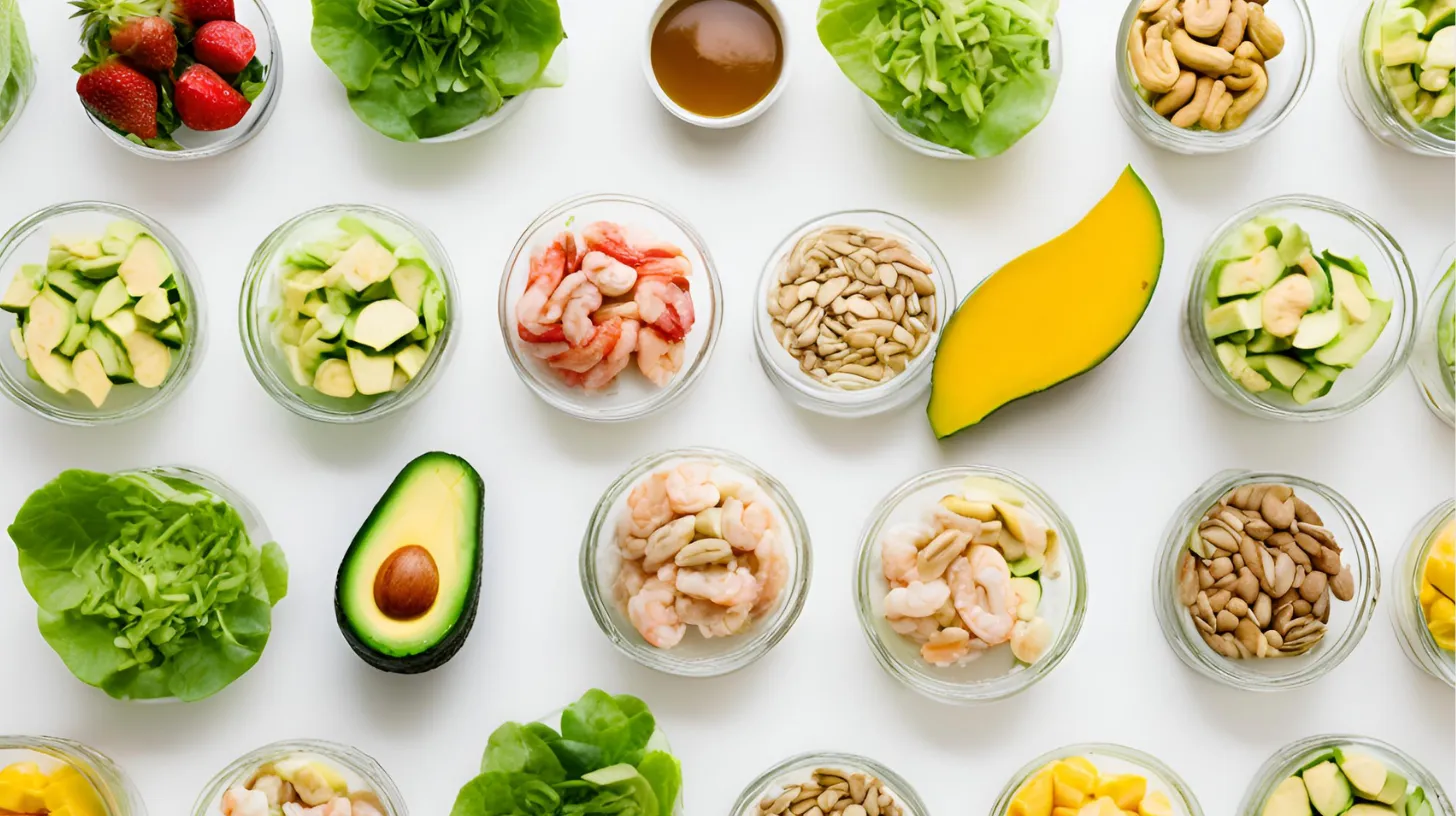
Embracing a raw food diet in the summer is particularly appealing when you can use fresh, uncooked fruits, vegetables, nuts, and seeds. This diet is all about enjoying foods in their natural state, which maximizes nutrient intake and supports overall health. It's a vibrant, colorful diet that fits perfectly with the season's ethos of freshness and vitality. Plus, it’s a chance to experiment with new salads, smoothies, and snacks.
Diet plan grocery list
Diet plan overview
The Summer diet plan for raw food diet is all about embracing uncooked, unprocessed, and mostly organic foods. This diet mainly consists of fruits, vegetables, nuts, and seeds, all in their raw state. It’s believed to preserve more natural enzymes and nutrients than cooked foods.
This dietary choice can lead to increased energy, better skin, and improved overall health. It’s a refreshing way to dine during the hot summer months, where cooking can feel like a chore and fresh, cool dishes are more appealing.

Foods to eat
- Fresh Fruits: Watermelon, mango, and peaches are refreshing and hydrating.
- Raw Vegetables: Bell peppers, cucumbers, and zucchini are great for crunchy salads.
- Nuts and Seeds: Almonds, sunflower seeds, and chia seeds offer healthy fats and protein.
- Sprouts: Alfalfa, broccoli, and mung bean sprouts are nutrient-packed.
- Cold-Pressed Oils: Olive oil, coconut oil, and hemp seed oil add flavor and healthy fats.
Tip
Create a refreshing raw summer salad with spiralized cucumber, avocado, and mango for a burst of flavors and nutrients.
Foods not to eat
- Cooked Foods: Grains, legumes, and cooked vegetables don't fit the raw diet.
- Processed Foods: Anything with artificial flavors, preservatives, or added sugars.
- Animal Products: Meat, poultry, and dairy are not consumed in raw form.
- Pasteurized Juices: Go for fresh, unpasteurized juices instead.
- Roasted Nuts: Stick to raw, unroasted versions.
Main benefits
The summer diet plan for raw food diet brings a refreshing boost to your seasonal meals by focusing on hydrating fruits and crisp vegetables, which help you stay cool and energized. This plan is rich in antioxidants that can protect your skin from summer sun damage and maintain a youthful glow. Fermented foods like sauerkraut and kimchi support gut health and digestion, while sprouted seeds and nuts offer plant-based protein with an extra nutrient punch.
How to budget on this diet plan
Raw food diets can get pricey, but sticking to seasonal produce like tomatoes, cucumbers, and berries can help cut costs. Create your own nut butters or trail mixes from bulk-bought nuts and seeds. Soak beans and lentils overnight for a crunchy, protein-packed snack. Farmers’ markets are often a treasure trove of fresh, inexpensive fruits and veggies. Invest in a good blender for smoothies and soups that make the most of your raw ingredients.
Meal plan suggestion
Day 1
- Breakfast: Greek yogurt with strawberries, blueberries, and chia seeds
- Lunch: Kale and lettuce salad with cucumber, bell peppers, avocado, and sunflower seeds
- Dinner: Raw salmon ceviche with mango and avocado
- Snack: Pineapple and walnuts
Day 2
- Breakfast: Smoothie with spinach, banana, mango, and chia seeds
- Lunch: Zucchini noodles with tomatoes, cucumber, and avocado
- Dinner: Raw tuna poke bowl with lettuce, carrots, and cashews
- Snack: Blueberries and almonds
Day 3
- Breakfast: Greek yogurt with watermelon, grapes, and sunflower seeds
- Lunch: Broccoli and cauliflower rice salad with kale, carrots, and avocado
- Dinner: Shrimp lettuce wraps with bell peppers and cashews
- Snack: Mango and walnuts
Day 4
- Breakfast: Cottage cheese with strawberries, blueberries, and chia seeds
- Lunch: Spinach and avocado salad with cucumber, carrots, and sunflower seeds
- Dinner: Raw salmon poke bowl with lettuce, zucchini, and almonds
- Snack: Oranges and cashews
Day 5
- Breakfast: Smoothie with kale, banana, apple, and chia seeds
- Lunch: Broccoli and carrot salad with lettuce, avocado, and walnuts
- Dinner: Raw turkey breast lettuce wraps with cucumber, tomatoes, and cashews
- Snack: Watermelon and sunflower seeds
Day 6
- Breakfast: Cottage cheese with grapes, pineapple, and almonds
- Lunch: Spinach and bell pepper salad with zucchini, avocado, and sunflower seeds
- Dinner: Raw chicken breast lettuce wraps with tomatoes, carrots, and cashews
- Snack: Blueberries and walnuts
Day 7
- Breakfast: Greek yogurt with strawberries, watermelon, and chia seeds
- Lunch: Kale and lettuce salad with broccoli, bell peppers, and avocado
- Dinner: Raw shrimp ceviche with cucumber, mango, and almonds
- Snack: Oranges and cashews
Want to learn more?
Keep in mind
Other diet plans
-

Carnivore diet plan for diabetics
This diet plan on the carnivore diet for diabetic individuals is quite low on carbs while approximating almost 100 percent in protein and fats. This helps to control blood sugar levels. Avoiding sugars and most of carbs can make it possible to have diabetes well under control. It is a radical but straightforward dietary intervention which should be done with supervision and guidance from health practitioners.
-

Carnivore diet plan for healthy eating
Healthy eating in the carnivore diet plan comprises a range of nutrient-dense sourced meats, such as organs and bone broths, which contain critical vitamins and minerals. It aims to eliminate inflammatory reactions, which are characteristic of some lifestyle diseases, and cut back the diet to essential nutrients. It may seem limiting, however, it facilitates looking deeper into the quality of every piece of meat cuisine.
-

Carnivore diet plan for beginners
The following carnivore beginner’s plan is especially intended for those who are new to the carnivore way of life. It begins by eating only meat instead of animal-based foods. Just after a few weeks or so, start introducing other types of food, such as fish, poultry, and organ meat. No complicated steps involved - learn the basics of meat preparation and accommodate a new food pattern.