
Thyroid-friendly diet plan for type 2 diabetes
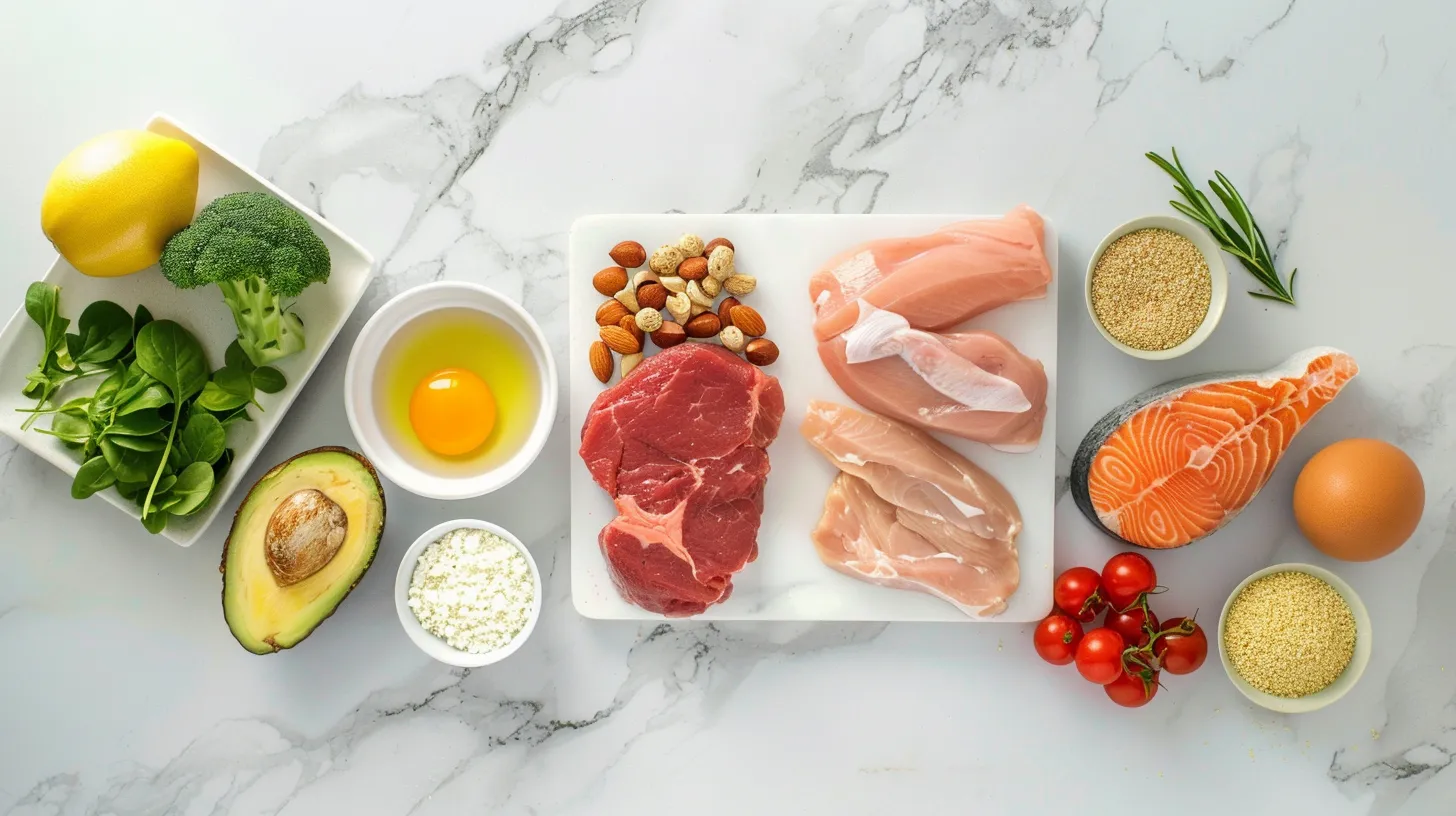
Managing type 2 diabetes with thyroid issues requires a delicate balance, and this diet plan provides just that. It focuses on foods that stabilize blood sugar levels and support thyroid health. By blending the needs of both conditions, this plan aims to make mealtime less stressful and more enjoyable, helping you stay on track without the guesswork.
Diet plan grocery list
Diet plan overview
A thyroid-friendly diet plan for type 2 diabetes aims to manage blood sugar levels while supporting thyroid health. This plan emphasizes whole foods, such as vegetables, lean proteins, and whole grains, which help regulate glucose and provide steady energy. Foods rich in fiber, like legumes and non-starchy vegetables, can help maintain blood sugar levels and improve digestion.
It’s important to monitor carbohydrate intake and opt for complex carbs like sweet potatoes and quinoa over refined options. Healthy fats from sources like olive oil and fatty fish support overall health without spiking blood sugar. Avoiding processed foods and sugary drinks is essential. This balanced approach can help manage diabetes symptoms and support thyroid function, making it easier to maintain consistent energy levels throughout the day.
Foods to eat
- Non-Starchy Vegetables: Broccoli, spinach, and bell peppers are low in carbs and high in nutrients.
- Lean Proteins: Skinless chicken, fish, and tofu to help maintain stable blood sugar levels.
- Whole Grains: Quinoa, barley, and oats for their fiber and slow-digesting carbs.
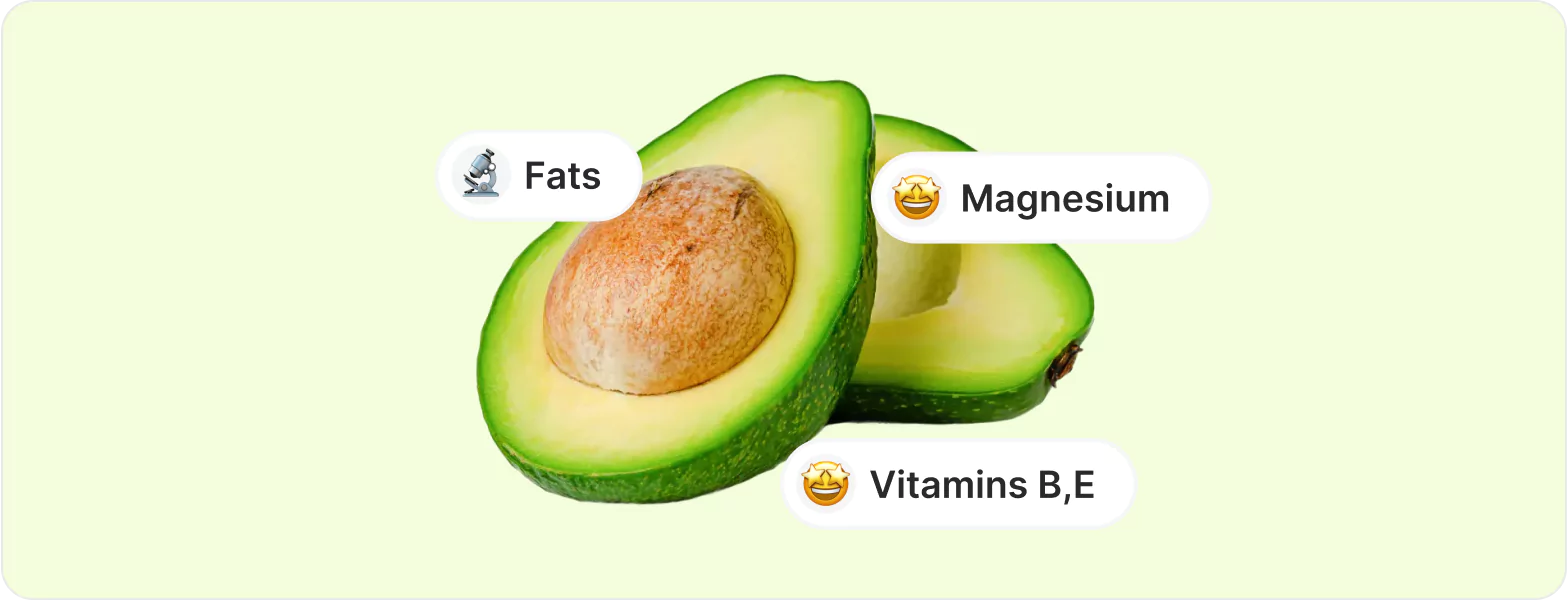
- Healthy Fats: Avocado, olive oil, and nuts for stable energy levels.
- Berries: Strawberries, blueberries, and raspberries offer antioxidants with a lower glycemic impact.
Tip
Integrate magnesium-rich foods like pumpkin seeds to help maintain blood sugar levels while supporting thyroid health.
Foods not to eat
- Refined Sugars: Soda, candy, and desserts can cause rapid blood sugar spikes.
- White Flour Products: White bread, pasta, and pastries lack fiber and nutrients.
- Fried Foods: High in unhealthy fats and calories, they can exacerbate diabetes symptoms.
- High-Sugar Fruits: Bananas, grapes, and mangos can cause blood sugar levels to rise.
- Processed Snacks: Chips and crackers often contain refined carbs and unhealthy fats.
Main benefits
Following a thyroid-friendly diet plan for type 2 diabetes can enhance your insulin sensitivity, helping you manage both diabetes and thyroid conditions more effectively. It focuses on foods that provide a steady energy release, which can reduce blood sugar spikes. This diet also supports better weight management, crucial for both thyroid and diabetes control. Furthermore, it helps reduce oxidative stress, improving overall health and minimizing the risk of diabetes-related complications.
How to budget on this diet plan
Managing type 2 diabetes while eating thyroid-friendly doesn’t have to break the bank. Opt for whole grains, legumes, and lean proteins that are both affordable and blood sugar friendly. Bulk purchases of brown rice and beans can be a huge money saver. Fresh fruits and vegetables are great, but frozen ones can be just as good and often cheaper.
Make your own snacks like nuts or homemade veggie chips instead of buying prepackaged ones, which can be pricey and often less nutritious.
Meal plan suggestion
Day 1
- Breakfast: Greek yogurt with chia seeds and blueberries
- Lunch: Grilled chicken breast with quinoa, spinach, and bell peppers
- Dinner: Baked salmon with sweet potatoes and asparagus
- Snack: Apple slices with almond butter
- Calories 🔥: 1,500 Fat 💧: 60g Carbs 🌾: 130g Protein 🥩: 120g
Day 2
- Breakfast: Cottage cheese with strawberries and flaxseed
- Lunch: Turkey breast and avocado wrap in kale leaves with a side of green beans
- Dinner: Lean beef stir-fry with broccoli, cauliflower, and brown rice
- Snack: Orange slices with walnuts
- Calories 🔥: 1,550 Fat 💧: 65g Carbs 🌾: 135g Protein 🥩: 125g
Day 3
- Breakfast: Omelet with spinach, bell peppers, and avocado
- Lunch: Lentil salad with quinoa, carrots, and zucchini
- Dinner: Baked sardines with roasted cauliflower and green beans
- Snack: Greek yogurt with chia seeds and strawberries
- Calories 🔥: 1,520 Fat 💧: 62g Carbs 🌾: 132g Protein 🥩: 122g
Day 4
- Breakfast: Smoothie with spinach, blueberries, Greek yogurt, and flaxseed
- Lunch: Chicken breast with brown rice, broccoli, and carrots
- Dinner: Turkey breast with sweet potatoes and zucchini
- Snack: Cottage cheese with apple slices
- Calories 🔥: 1,540 Fat 💧: 63g Carbs 🌾: 137g Protein 🥩: 123g
Day 5
- Breakfast: Greek yogurt with flaxseed, walnuts, and strawberries
- Lunch: Grilled salmon salad with kale, avocado, and quinoa
- Dinner: Lean beef with lentils, bell peppers, and green beans
- Snack: Orange slices with almonds
- Calories 🔥: 1,560 Fat 💧: 64g Carbs 🌾: 138g Protein 🥩: 124g
Day 6
- Breakfast: Cottage cheese with blueberries and chia seeds
- Lunch: Turkey breast with brown rice, asparagus, and zucchini
- Dinner: Baked salmon with spinach and sweet potatoes
- Snack: Apple slices with walnuts
- Calories 🔥: 1,530 Fat 💧: 62g Carbs 🌾: 136g Protein 🥩: 122g
Day 7
- Breakfast: Omelet with kale, bell peppers, and avocado
- Lunch: Sardines with quinoa, broccoli, and cauliflower
- Dinner: Chicken breast with lentils, carrots, and green beans
- Snack: Cottage cheese with strawberries
- Calories 🔥: 1,550 Fat 💧: 64g Carbs 🌾: 137g Protein 🥩: 123g
These nutritional values are approximate and can vary slightly based on specific portion sizes and preparation methods.
Want to learn more?
Keep in mind
Other diet plans
-

Carnivore diet plan for diabetics
This diet plan on the carnivore diet for diabetic individuals is quite low on carbs while approximating almost 100 percent in protein and fats. This helps to control blood sugar levels. Avoiding sugars and most of carbs can make it possible to have diabetes well under control. It is a radical but straightforward dietary intervention which should be done with supervision and guidance from health practitioners.
-

Carnivore diet plan for healthy eating
Healthy eating in the carnivore diet plan comprises a range of nutrient-dense sourced meats, such as organs and bone broths, which contain critical vitamins and minerals. It aims to eliminate inflammatory reactions, which are characteristic of some lifestyle diseases, and cut back the diet to essential nutrients. It may seem limiting, however, it facilitates looking deeper into the quality of every piece of meat cuisine.
-

Carnivore diet plan for beginners
The following carnivore beginner’s plan is especially intended for those who are new to the carnivore way of life. It begins by eating only meat instead of animal-based foods. Just after a few weeks or so, start introducing other types of food, such as fish, poultry, and organ meat. No complicated steps involved - learn the basics of meat preparation and accommodate a new food pattern.