
Wedding diet plan for lowering cholesterol
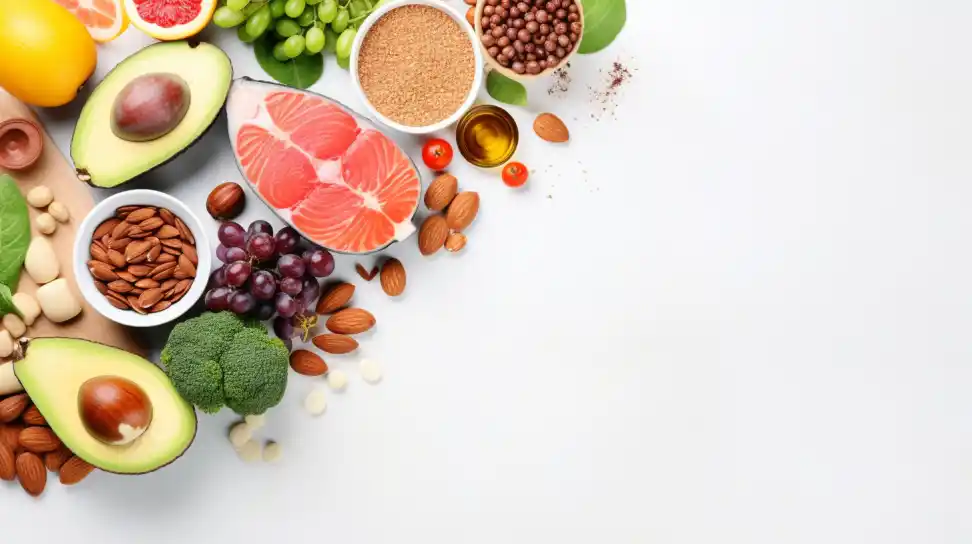
If you’re looking to lower your cholesterol before your wedding, a tailored diet can help you feel your best. This plan emphasizes heart-healthy foods that support lower cholesterol levels, making you feel more vibrant and confident. It's about making smart, delicious choices that benefit your health as you prepare for your special moment.
Diet plan grocery list
Diet plan overview
The wedding diet plan for lowering cholesterol aims to help you manage your cholesterol levels before your big day. It focuses on heart-healthy foods that support lower cholesterol, so you can feel your best as you prepare for your wedding. This plan emphasizes a balance of nutritious options that benefit your heart and overall health.
Choosing foods that promote healthy cholesterol can improve your well-being and give you peace of mind. You’ll find that these dietary changes not only help your heart but also contribute to feeling vibrant and energized.
Foods to eat
- Fiber-Rich Foods: Oats, barley, and lentils help reduce cholesterol levels.
- Fruits: Apples, pears, and blueberries are high in soluble fiber and antioxidants.
- Vegetables: Spinach, broccoli, and Brussels sprouts offer fiber and essential nutrients.
- Healthy Fats: Avocado, olive oil, and almonds can help improve heart health.
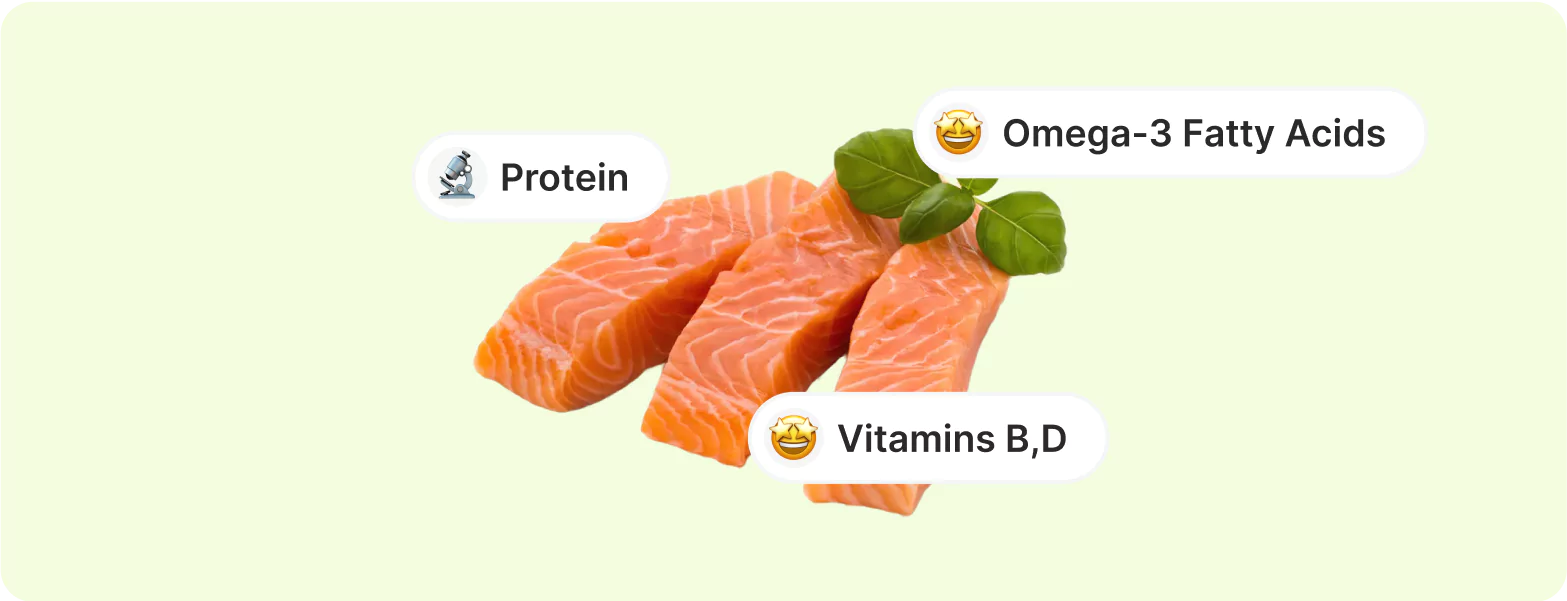
- Fatty Fish: Salmon, sardines, and mackerel are high in omega-3 fatty acids.
Tip
Add ground flaxseed to your smoothies or oatmeal to help lower LDL cholesterol and support heart health.
Foods not to eat
- Saturated Fats: Butter, full-fat dairy products, and fatty cuts of meat can raise LDL cholesterol.
- Trans Fats: Baked goods, fried foods, and some margarine are often high in trans fats.
- High-Sugar Foods: Candy, cookies, and cakes can increase triglycerides and lower HDL cholesterol.
- Refined Carbs: White bread, pasta, and sugary cereals can contribute to cholesterol issues.
- Processed Meats: Bacon, sausage, and deli meats can be high in unhealthy fats and sodium.
Main benefits
The wedding diet plan for lowering cholesterol is particularly effective in supporting brain health. By focusing on heart-healthy fats and fiber-rich foods, it helps reduce inflammation and improve blood flow to the brain. This diet can enhance cognitive function and memory, which is especially beneficial during the stressful planning period. Moreover, it promotes overall cardiovascular health, which is crucial for long-term wellness and vitality.
How to budget on this diet plan
Focus on budget-friendly fiber sources like oats and barley, which can help manage cholesterol levels effectively. Use legumes like beans and lentils in your meals instead of more expensive meat options. Choose seasonal fruits and vegetables to ensure lower costs and fresher produce.
Meal plan suggestion
Day 1
- Breakfast: Oats with blueberries and chia seeds
- Lunch: Spinach salad with chickpeas, avocado, and tomatoes
- Dinner: Baked salmon with brown rice and Brussels sprouts
- Snack: Apple slices with almond butter
- Calories 🔥: 1,500 Fat 💧: 55g Carbs 🌾: 180g Protein 🥩: 90g
Day 2
- Breakfast: Greek yogurt with raspberries and walnuts
- Lunch: Barley and vegetable stir-fry with broccoli and cauliflower
- Dinner: Grilled sardines with sweet potatoes and asparagus
- Snack: Grapefruit slices with chia seeds
- Calories 🔥: 1,520 Fat 💧: 57g Carbs 🌾: 175g Protein 🥩: 95g
Day 3
- Breakfast: Oats with strawberries and chia seeds
- Lunch: Spinach and avocado wrap with lentils and bell peppers
- Dinner: Baked salmon with brown rice and green beans
- Snack: Apple slices with walnuts
- Calories 🔥: 1,510 Fat 💧: 56g Carbs 🌾: 180g Protein 🥩: 90g
Day 4
- Breakfast: Greek yogurt with bananas and chia seeds
- Lunch: Chickpea and vegetable salad with spinach and bell peppers
- Dinner: Grilled salmon with barley and Swiss chard
- Snack: Carrot sticks with almond butter
- Calories 🔥: 1,530 Fat 💧: 58g Carbs 🌾: 175g Protein 🥩: 95g
Day 5
- Breakfast: Oats with blueberries and chia seeds
- Lunch: Sardine and avocado salad with spinach and grapefruit slices
- Dinner: Lean beef stir-fry with broccoli and green beans
- Snack: Apple slices with chia seeds
- Calories 🔥: 1,520 Fat 💧: 56g Carbs 🌾: 180g Protein 🥩: 90g
Day 6
- Breakfast: Greek yogurt with raspberries and walnuts
- Lunch: Cauliflower and lentil salad with spinach and bell peppers
- Dinner: Grilled sardines with sweet potatoes and asparagus
- Snack: Grapefruit slices with chia seeds
- Calories 🔥: 1,510 Fat 💧: 58g Carbs 🌾: 175g Protein 🥩: 95g
Day 7
- Breakfast: Oats with bananas and chia seeds
- Lunch: Spinach and avocado wrap with lentils and bell peppers
- Dinner: Baked salmon with brown rice and Brussels sprouts
- Snack: Apple slices with walnuts
- Calories 🔥: 1,530 Fat 💧: 58g Carbs 🌾: 180g Protein 🥩: 90g
These nutritional values are approximate and can vary slightly based on specific portion sizes and preparation methods.
Want to learn more?
Keep in mind
Other diet plans
-

Carnivore diet plan for diabetics
This diet plan on the carnivore diet for diabetic individuals is quite low on carbs while approximating almost 100 percent in protein and fats. This helps to control blood sugar levels. Avoiding sugars and most of carbs can make it possible to have diabetes well under control. It is a radical but straightforward dietary intervention which should be done with supervision and guidance from health practitioners.
-

Carnivore diet plan for healthy eating
Healthy eating in the carnivore diet plan comprises a range of nutrient-dense sourced meats, such as organs and bone broths, which contain critical vitamins and minerals. It aims to eliminate inflammatory reactions, which are characteristic of some lifestyle diseases, and cut back the diet to essential nutrients. It may seem limiting, however, it facilitates looking deeper into the quality of every piece of meat cuisine.
-

Carnivore diet plan for beginners
The following carnivore beginner’s plan is especially intended for those who are new to the carnivore way of life. It begins by eating only meat instead of animal-based foods. Just after a few weeks or so, start introducing other types of food, such as fish, poultry, and organ meat. No complicated steps involved - learn the basics of meat preparation and accommodate a new food pattern.