
Wedding diet plan for vegetarians
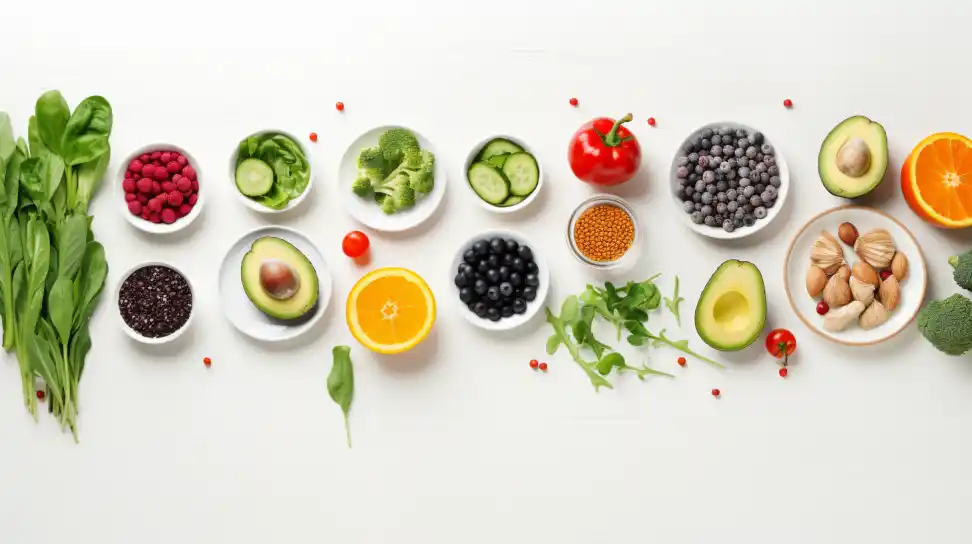
If you’re a vegetarian gearing up for your wedding, there’s no need to compromise on taste or nutrition. A vegetarian wedding diet plan can be deliciously satisfying while helping you feel fantastic in your dress or suit. It’s about enjoying vibrant, plant-based meals that support your health and keep your energy high.
Diet plan grocery list
Diet plan overview
The wedding diet plan for vegetarians caters to those who prefer plant-based eating while getting ready for their wedding. This plan emphasizes delicious vegetarian meals that are both satisfying and nutritious. It’s designed to help you maintain energy and feel your best without compromising your dietary preferences.
Focusing on a variety of plant-based foods can enhance your well-being. You’ll enjoy meals that support your health and keep you energized, making your wedding preparations more enjoyable and less stressful.
Foods to eat
- Plant-Based Proteins: Tofu, tempeh, and black beans provide essential proteins without meat.
- Colorful Vegetables: Kale, zucchini, and red bell peppers offer a variety of vitamins and textures.
- Whole Grains: Quinoa and brown rice add fiber and keep you satisfied.
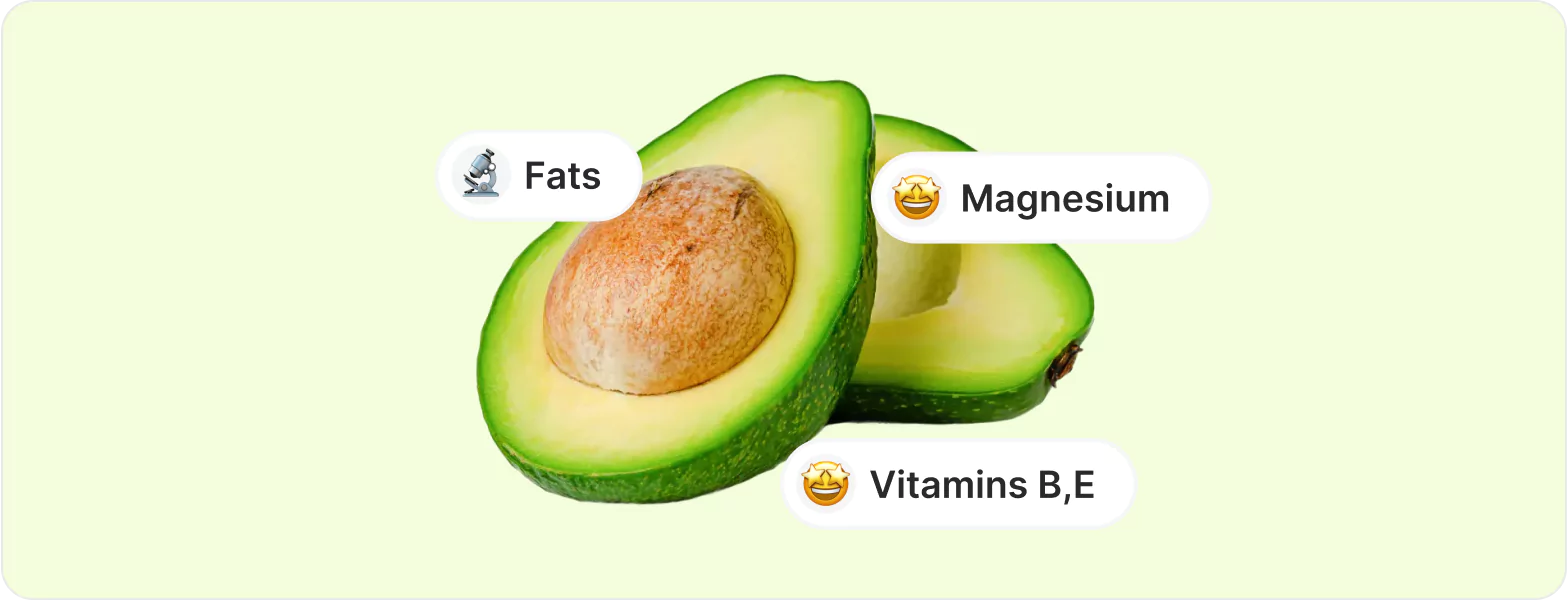
- Healthy Fats: Avocado, nuts, and seeds like chia and pumpkin for essential fatty acids.
- Fruits: Apples, strawberries, and blueberries are great for snacks and desserts.
Tip
Use nutritional yeast as a cheesy, nutrient-rich topping to boost the flavor and protein content of your meals.
Foods not to eat
- Processed Soy Products: Soy burgers and faux meats can contain additives and less nutritious fillers.
- High-Sugar Foods: Candies, sweetened yogurts, and ice cream can cause blood sugar spikes.
- Fried Vegetarian Foods: Fried tofu and tempura vegetables can be high in unhealthy fats.
- Refined Carbs: White bread and pastries that lack fiber and essential nutrients.
- Sugary Drinks: Sodas, fruit juices, and sweetened teas can add unnecessary sugars and calories.
Main benefits
The wedding diet plan for vegetarians provides a distinct advantage in promoting cardiovascular health. By focusing on plant-based proteins and fiber-rich foods, it helps lower cholesterol levels and support heart function. This diet's rich array of fruits and vegetables supplies antioxidants that protect against heart disease. Additionally, it encourages a diverse intake of nutrients that support overall wellness and vitality, making it a heart-healthy choice for your wedding journey.

How to budget on this diet plan
Base your meals around inexpensive protein sources like beans, lentils, and chickpeas, which are great for filling vegetarian dishes. Shop for vegetables that are in season to get the best prices and quality. Consider growing your own herbs or easy vegetables like tomatoes to save money and ensure fresh ingredients.
Buying grains like quinoa or rice in bulk can be cheaper and provide a good foundation for your meals. Preparing your own vegetarian meals can be more economical than purchasing pre-made plant-based products.
Meal plan suggestion
Day 1
- Breakfast: Greek yogurt with strawberries and almond butter
- Lunch: Arugula salad with quinoa, chickpeas, and red bell peppers
- Dinner: Grilled tofu with couscous and cauliflower
- Snack: Apple slices with pistachios
- Calories 🔥: 1,500 Fat 💧: 60g Carbs 🌾: 150g Protein 🥩: 100g
Day 2
- Breakfast: Greek yogurt with raspberries and almond butter
- Lunch: Quinoa and vegetable stir-fry with red bell peppers, zucchini, and tempeh
- Dinner: Grilled halloumi with millet and green beans
- Snack: Pear slices with hummus
- Calories 🔥: 1,520 Fat 💧: 58g Carbs 🌾: 155g Protein 🥩: 105g
Day 3
- Breakfast: Greek yogurt with blueberries and almond butter
- Lunch: Arugula and avocado wrap with tofu and red bell peppers
- Dinner: Baked tempeh with sweet potatoes and Brussels sprouts
- Snack: Grapefruit slices with pistachios
- Calories 🔥: 1,510 Fat 💧: 62g Carbs 🌾: 145g Protein 🥩: 110g
Day 4
- Breakfast: Greek yogurt with bananas and almond butter
- Lunch: Tofu and quinoa salad with arugula, red bell peppers, and cucumber
- Dinner: Grilled tempeh with lentils and Brussels sprouts
- Snack: Carrot sticks with hummus dip
- Calories 🔥: 1,530 Fat 💧: 64g Carbs 🌾: 150g Protein 🥩: 100g
Day 5
- Breakfast: Greek yogurt with strawberries and almond butter
- Lunch: Chickpea and avocado salad with arugula and red bell peppers
- Dinner: Grilled halloumi with quinoa and cauliflower
- Snack: Apple slices with pistachios
- Calories 🔥: 1,520 Fat 💧: 60g Carbs 🌾: 155g Protein 🥩: 105g
Day 6
- Breakfast: Greek yogurt with blueberries and quinoa
- Lunch: Tofu wrap with arugula, avocado, and cucumber
- Dinner: Grilled tempeh with red lentils and Brussels sprouts
- Snack: Pear slices with almond butter
- Calories 🔥: 1,510 Fat 💧: 62g Carbs 🌾: 145g Protein 🥩: 110g
Day 7
- Breakfast: Greek yogurt with banana slices and almond butter
- Lunch: Couscous and vegetable salad with arugula, red bell peppers, and grape tomatoes
- Dinner: Grilled tofu with quinoa and Brussels sprouts
- Snack: Carrot sticks with hummus dip
- Calories 🔥: 1,530 Fat 💧: 64g Carbs 🌾: 150g Protein 🥩: 100g
These nutritional values are approximate and can vary slightly based on specific portion sizes and preparation methods.
Want to learn more?
Keep in mind
Other diet plans
-

Carnivore diet plan for diabetics
This diet plan on the carnivore diet for diabetic individuals is quite low on carbs while approximating almost 100 percent in protein and fats. This helps to control blood sugar levels. Avoiding sugars and most of carbs can make it possible to have diabetes well under control. It is a radical but straightforward dietary intervention which should be done with supervision and guidance from health practitioners.
-

Carnivore diet plan for healthy eating
Healthy eating in the carnivore diet plan comprises a range of nutrient-dense sourced meats, such as organs and bone broths, which contain critical vitamins and minerals. It aims to eliminate inflammatory reactions, which are characteristic of some lifestyle diseases, and cut back the diet to essential nutrients. It may seem limiting, however, it facilitates looking deeper into the quality of every piece of meat cuisine.
-

Carnivore diet plan for beginners
The following carnivore beginner’s plan is especially intended for those who are new to the carnivore way of life. It begins by eating only meat instead of animal-based foods. Just after a few weeks or so, start introducing other types of food, such as fish, poultry, and organ meat. No complicated steps involved - learn the basics of meat preparation and accommodate a new food pattern.